France stands again at a crossroads, caught between political exhaustion and the need for renewal. In a televised interview with TF1, Bruno Retailleau, the leader of the conservative Les Républicains in the Senate, said he believes there remain “options other than calling for new elections” — a statement that cuts against the rising tide of speculation in Paris.
Retailleau’s remark arrives amid a volatile political climate, where recent parliamentary deadlocks and social pressures have revived debates over whether President Emmanuel Macron might seek a new mandate through early legislative elections. His words hint at a quieter strategy — one of compromise, patience, and dialogue — rather than a plunge into fresh uncertainty.
For Retailleau, a veteran of France’s center-right, the call is as much about institutional restraint as political calculus. The country, he argues, needs stability to manage economic reforms and international tensions, not another campaign fought along fractured lines. Behind his tone lies the recognition that each election now risks deepening polarization in a nation weary from years of protest, pandemic, and populist resurgence.
Analysts see his statement as an appeal to both Macron’s camp and opposition figures: a reminder that governance can still be built through negotiation rather than confrontation. Yet the undercurrent remains — if talks fail or alliances crumble, France may once again find itself facing the ballot box sooner than expected.
For now, Retailleau’s message carries the weight of caution: that political imagination, not electoral fatigue, might still offer France a way forward.
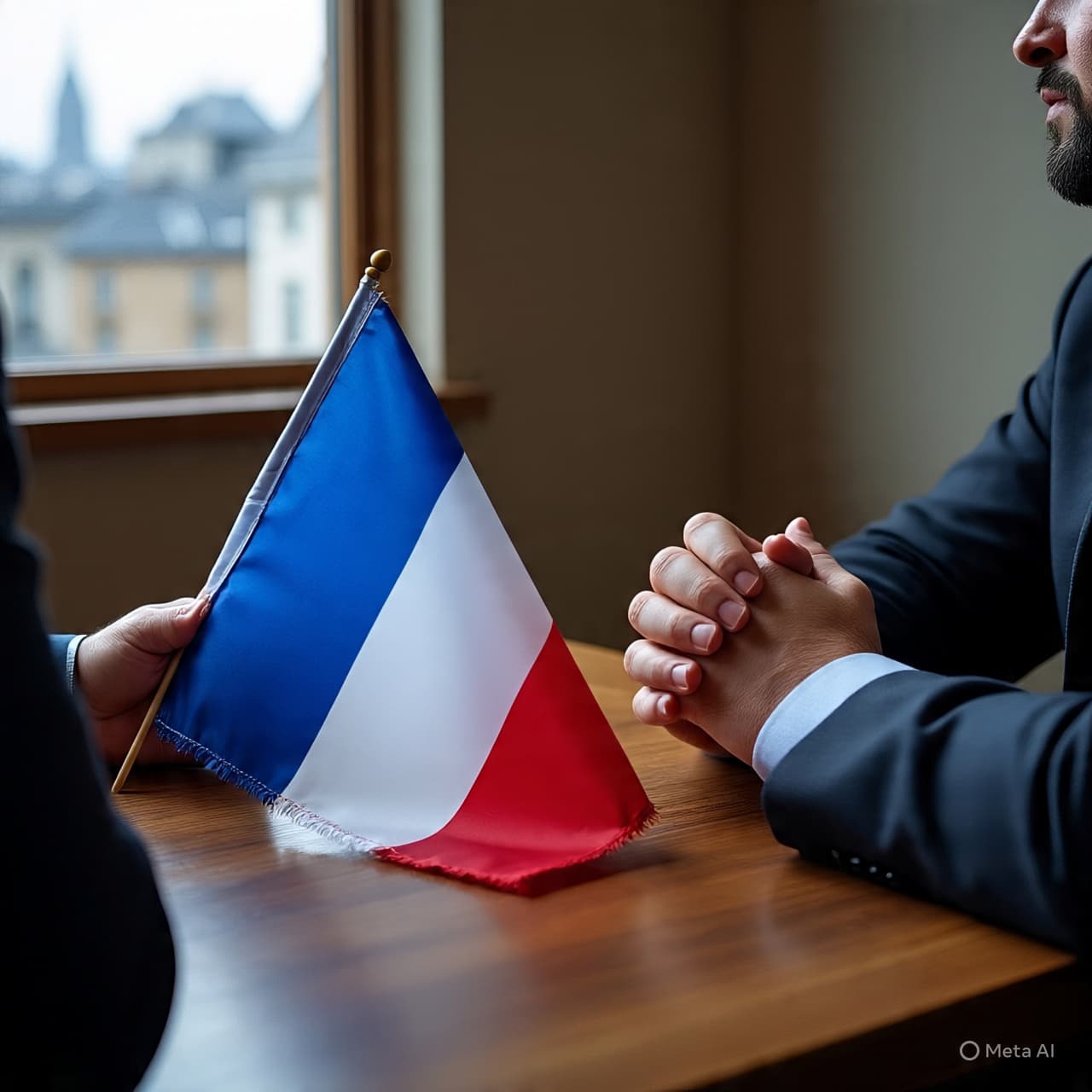
AI-generated illustration concept; artistic interpretation for editorial purposes.
Sources: TF1, Reuters, Le Monde, France 24, Politico Europe
Published by Banx Network. This article is part of the Banx decentralized media programme, powered by the BXE token on the XRP Ledger.