The ocean often keeps its intentions hidden. Waves rise and fall with familiar rhythm, while distant horizons reveal little about the atmospheric forces gathering beyond sight. Yet for meteorologists, subtle changes in ocean temperatures and wind patterns can signal the beginning of an important seasonal story.
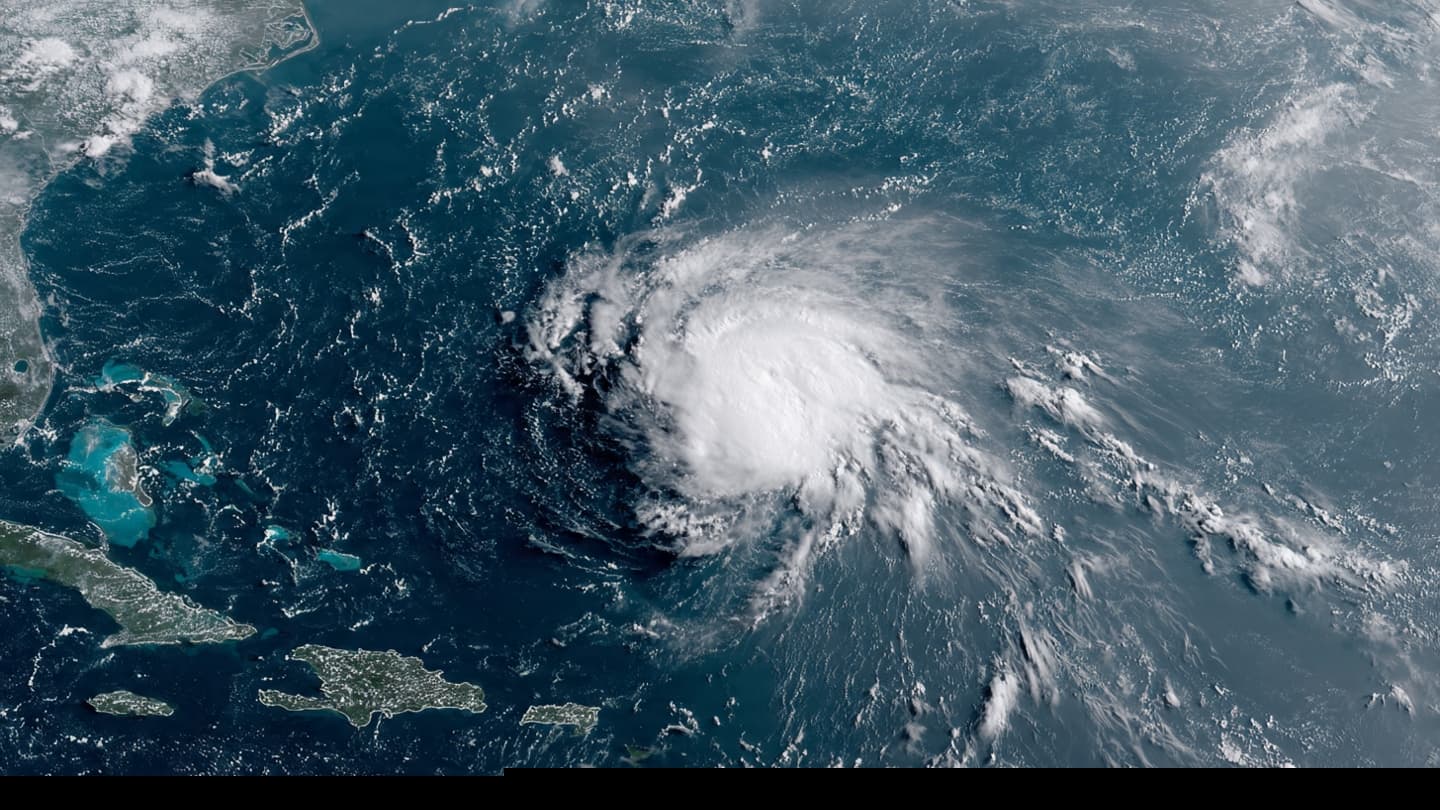
Forecast agencies expect the 2026 Atlantic hurricane season to produce more activity than the historical average. Scientists base these projections on a combination of climate indicators, including sea-surface temperatures, atmospheric circulation patterns, and long-term seasonal observations.
Hurricanes are among nature’s most powerful weather systems. Formed over warm ocean waters, they can carry immense amounts of energy across vast distances. While not every storm reaches populated areas, each season requires careful monitoring from meteorological agencies and emergency management officials.
Researchers note that warmer ocean temperatures often provide favorable conditions for tropical cyclone development. Heat stored within ocean waters acts as fuel, supporting storm formation and intensification when atmospheric conditions align.
Forecasts do not predict specific landfall locations months in advance. Instead, seasonal outlooks estimate overall activity levels, helping governments, businesses, and communities prepare resources before peak storm periods arrive.
Emergency preparedness remains a central theme whenever hurricane forecasts are released. Coastal communities review evacuation procedures, strengthen communication systems, and assess critical infrastructure. Such planning can significantly improve resilience when severe weather threatens populated regions.
Modern forecasting technology has advanced considerably over recent decades. Satellites, weather buoys, aircraft reconnaissance missions, and sophisticated computer models provide meteorologists with increasingly accurate information about developing storm systems.
Insurance providers, utility companies, and transportation networks also pay close attention to seasonal forecasts. Anticipating potential disruptions allows organizations to allocate resources and develop contingency plans before emergencies occur.
Beyond practical preparations lies a broader understanding of living alongside natural forces. Coastal communities have long adapted to changing weather patterns, balancing economic opportunity with environmental awareness. Forecasts serve as tools that support informed decision-making rather than predictions of inevitable outcomes.
For now, experts encourage vigilance rather than alarm. As the hurricane season approaches, continued monitoring and preparedness efforts will remain essential components of reducing risk and protecting communities throughout the Atlantic basin.
AI Image Disclaimer
Images in this article are AI-generated illustrations, meant for concept only.
Source Check Credible sources identified:
Reuters National Oceanic and Atmospheric Administration (NOAA) National Hurricane Center (NHC) World Meteorological Organization (WMO) Associated Press
Published by Banx Network. This article is part of the Banx decentralized media programme, powered by the BXE token on the XRP Ledger.