

Key Highlights
- Global Preparations:Nations are preparing for major international events in 2026.
- Infrastructure Focus:Investments in transportation and venues are underway.
- Economic Impact:Local businesses anticipate a boost from increased tourism.
Governments and local authorities around the globe are ramping up their preparations for a series of significant international events scheduled for 2026. These gatherings, which include sporting competitions, economic forums, cultural festivals, and diplomatic summits, require extensive planning and investment, often beginning years in advance. The process resembles constructing a large stage, with much of the groundwork laid quietly behind the scenes before the spotlight shines on the main events.
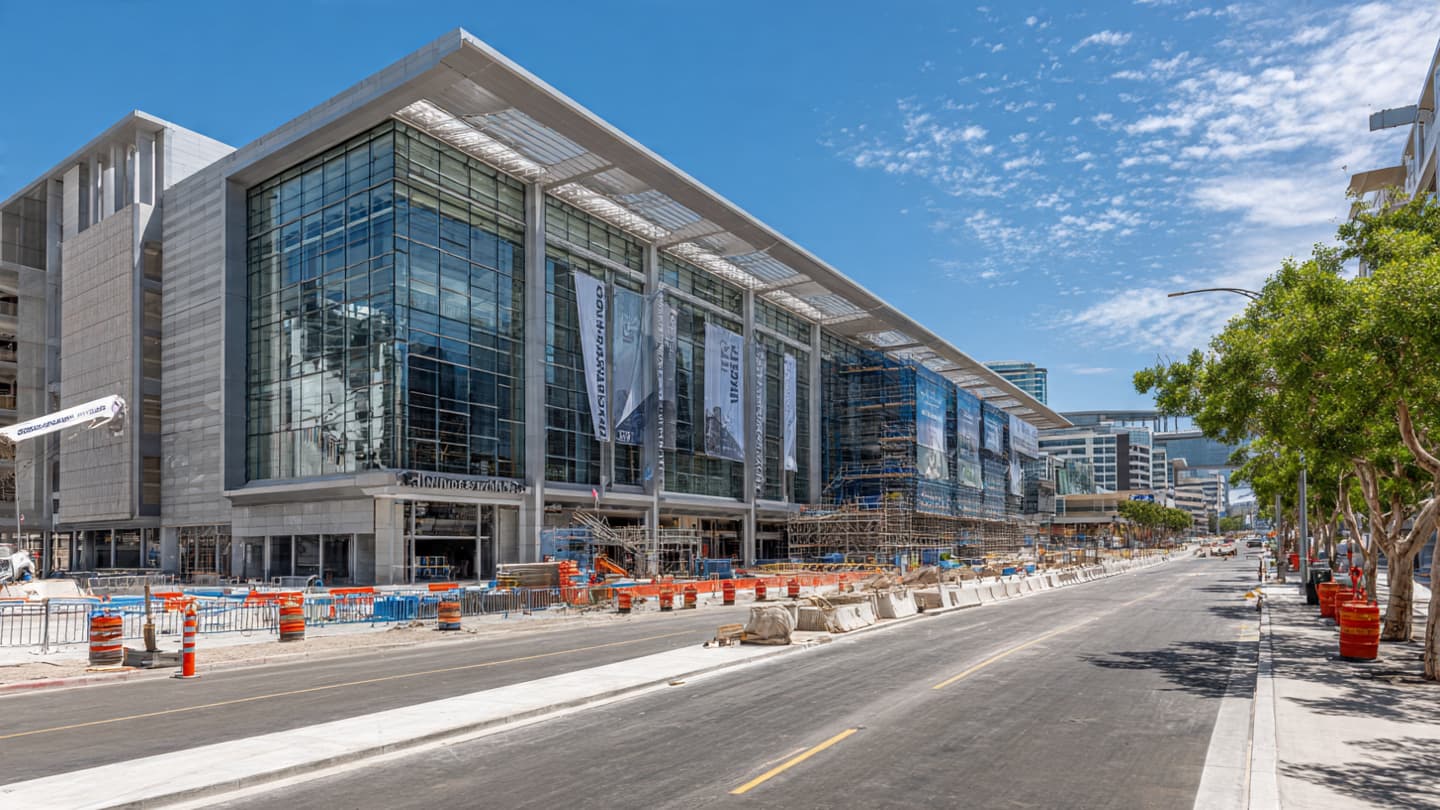
Infrastructure investment is a central focus of these preparations. Countries are upgrading transportation systems, public venues, communication networks, and hospitality facilities to accommodate both international visitors and local communities. For instance, cities hosting major sporting events are enhancing their public transport systems to ensure smooth access to venues, while also improving local amenities to enhance the visitor experience.
Security planning has emerged as another critical component of readiness. Authorities are collaborating closely with emergency services, law enforcement agencies, and event organizers to develop comprehensive security strategies. The goal is to ensure safe and efficient operations during events while maintaining a welcoming atmosphere for attendees. This includes implementing advanced surveillance technologies and emergency response protocols to address potential threats.
Economic expectations often accompany these large-scale preparations. Local businesses in tourism, transportation, hospitality, and retail sectors are gearing up for increased activity driven by the influx of international visitors. Local officials frequently view these major events as opportunities to promote long-term economic development, with the potential for lasting benefits that extend beyond the events themselves.
Technology is playing an increasingly vital role in event management. Organizers are adopting digital ticketing systems, smart transportation solutions, and real-time communication tools to improve operational efficiency and enhance visitor experiences. These innovations not only streamline logistics but also provide attendees with valuable information and support throughout their visit.
Sustainability goals have gained prominence in the planning of these events. Many host countries are integrating environmental considerations into their preparations, focusing on energy efficiency, waste reduction, and expanded public transportation options. This commitment to sustainability reflects a growing awareness of the need to balance economic growth with environmental stewardship, ensuring that events leave a positive legacy for future generations.
Cultural promotion remains an equally important objective for host nations. International gatherings offer a platform for communities to showcase their local traditions, historical landmarks, artistic achievements, and regional identities to a global audience. This cultural exchange not only enriches the visitor experience but also fosters greater understanding and appreciation among diverse populations.
As preparations continue across multiple continents, the upcoming calendar of international events reflects a broader ambition shared by many nations: to welcome visitors, strengthen global connections, and leave a lasting legacy that extends beyond the event itself. The collaborative efforts of governments, businesses, and communities will play a crucial role in shaping the success of these gatherings, ensuring they are memorable and impactful for all involved.
Published by Banx Network. This article is part of the Banx decentralized media programme, powered by the BXE token on the XRP Ledger.




