There are mornings at Cape Canaveral when the air feels heavier than usual — not with storm clouds, but with anticipation. A rocket stands upright against the horizon, silent and immense, like a promise waiting to be tested. Yet before it can rise, before flame and thunder take over, there is a quieter trial: the careful, delicate act of fueling.
This week, retried a crucial fueling test for its Moon rocket after earlier attempts were halted by dangerous hydrogen leaks. The test, often described as a “wet dress rehearsal,” is designed to load super-cold propellants into the rocket’s tanks and simulate countdown procedures without actually launching. It is a rehearsal in the truest sense — precise, procedural, and unforgiving.
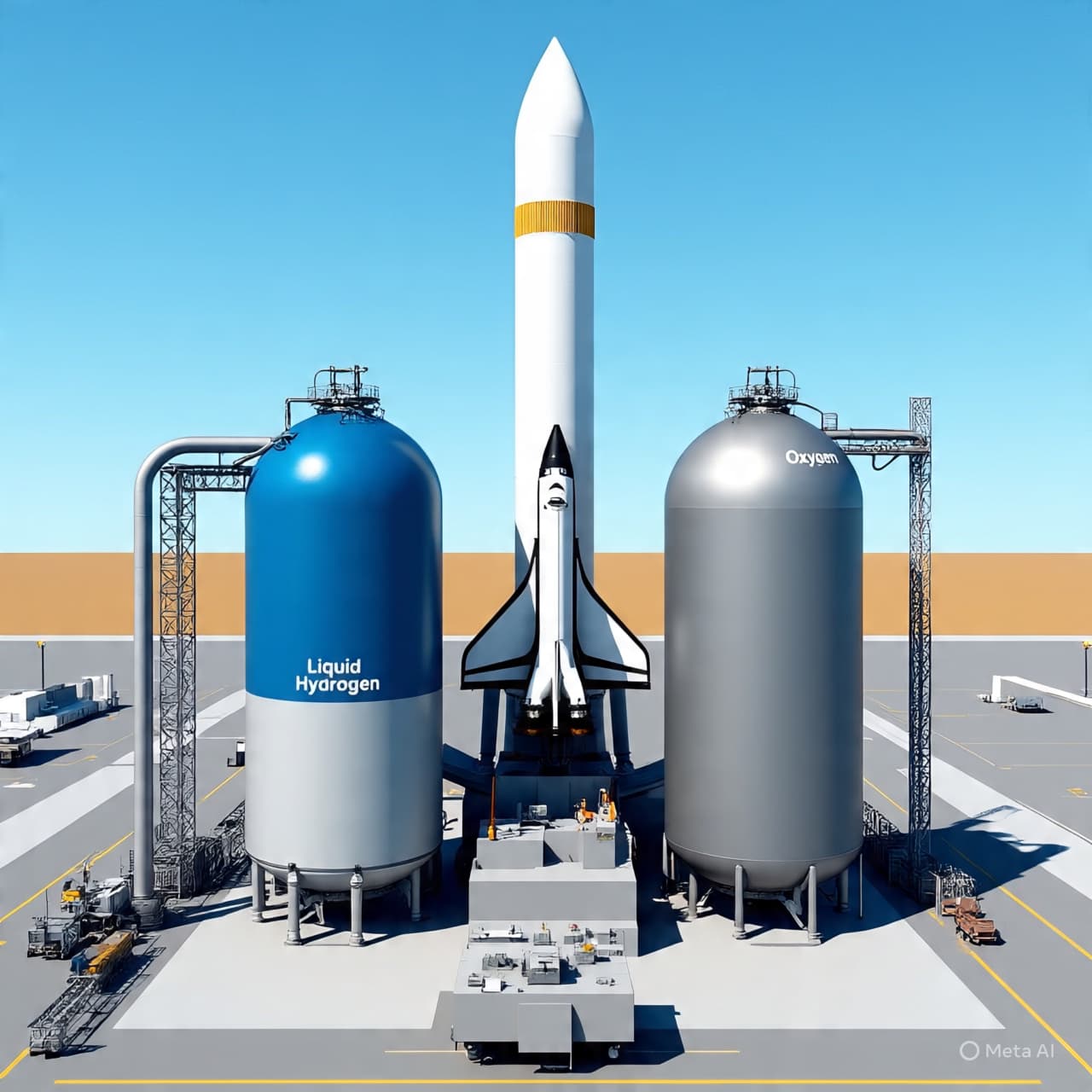
At the center of the effort is the , the powerful rocket intended to carry astronauts back toward the Moon under the Artemis program. The vehicle relies on liquid hydrogen and liquid oxygen, fuels that must be stored at extremely low temperatures. While highly efficient, liquid hydrogen is notoriously difficult to manage. It can leak through the smallest imperfections, and when it does, it poses both safety and operational risks.
During previous attempts, engineers detected hydrogen leaks significant enough to stop the countdown. Safety protocols required the test to be scrubbed while teams investigated seals, valves, and connection points. The image of a towering rocket grounded by an invisible gas may seem almost paradoxical, yet it underscores the intricate choreography required for modern spaceflight.
In the most recent retry, technicians implemented repairs and procedural adjustments before resuming fueling operations. The objective was not merely to complete the test, but to gather detailed data — measurements of pressure, temperature stability, and leak detection thresholds. Each parameter offers insight into whether the system can safely support an eventual launch.
NASA officials have emphasized that such delays, though frustrating, are part of the developmental process. Large-scale rockets operate at extremes of physics and engineering. The path to reliability often involves repetition, refinement, and patience. Engineers monitor every sensor reading, aware that small discrepancies can signal larger systemic issues.
The Artemis missions aim to establish a sustainable human presence on and around the Moon, marking a new chapter in deep-space exploration. The Space Launch System is central to that ambition. Yet before astronauts can board, before countdown clocks tick toward liftoff, ground systems must prove they can safely handle the immense volumes of cryogenic fuel required.
Hydrogen leaks, while serious, are not unprecedented in rocket development. What distinguishes this moment is the scale of the vehicle and the visibility of the program. The Moon rocket represents years of investment and expectation. Each scrubbed attempt becomes both a technical challenge and a public milestone.
For now, NASA’s focus remains steady: analyze the data from the latest fueling test, determine whether leak mitigation measures were successful, and decide on next steps. The agency has not signaled any abrupt shifts in schedule but continues to prioritize safety and system integrity.
The essential development is clear. NASA has retried a critical fueling test for its Moon rocket following earlier hydrogen leaks, gathering new data to assess readiness for future launch attempts. Further evaluations will guide the timeline for the Artemis mission’s next phase.
AI IMAGE DISCLAIMER Images in this article are AI-generated illustrations, meant for concept only.
Sources: Reuters BBC News The Guardian Associated Press Space.com
Published by Banx Network. This article is part of the Banx decentralized media programme, powered by the BXE token on the XRP Ledger.