
Key Highlights
- Iranian officials emphasize the need for fulfilling past commitments in negotiations.
- International observers are monitoring the ongoing discussions closely.
- Political analysts suggest confidence-building measures could enhance future agreements.
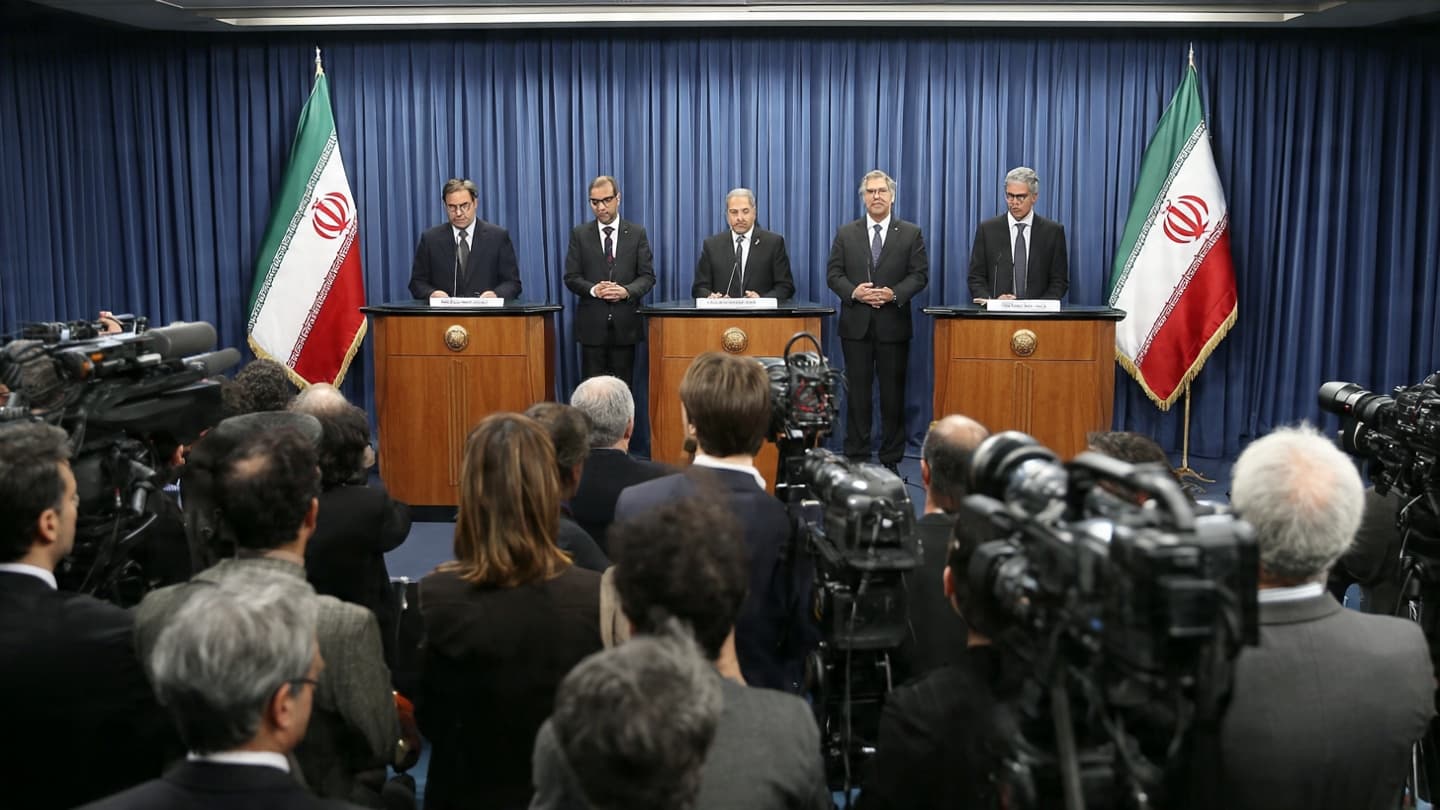
Diplomacy rarely moves in a straight line. Like a river finding its course, negotiations often require patience, careful listening, and a willingness to honor every commitment along the way. In the context of ongoing discussions involving Iran, officials have stated that future negotiations should be grounded in the implementation of earlier understandings. This approach is seen as essential for building mutual confidence among the parties involved.
Iranian officials have articulated that fulfilling previous commitments is not just a procedural step but a fundamental aspect of establishing trust. They believe that without this trust, the potential for meaningful dialogue diminishes significantly. As such, the emphasis on honoring past agreements is a critical component of the current negotiation strategy.
International observers, including representatives from various countries, continue to follow the negotiations closely. These observers have encouraged both sides to maintain open lines of communication while seeking practical solutions to outstanding issues. The role of international stakeholders is crucial, as they can provide support and facilitate discussions that may lead to a resolution.
Political analysts have weighed in on the situation, suggesting that confidence-building measures could significantly reduce uncertainty and create a stronger foundation for future agreements. By addressing smaller issues and demonstrating a commitment to dialogue, both sides may find common ground that can lead to broader agreements. Although differences remain, the ongoing dialogue through diplomatic channels is a positive sign of progress.
The coming weeks are expected to be pivotal in determining whether current discussions can evolve into broader agreements that support regional stability and international cooperation. As the situation develops, the focus will remain on how both sides can navigate their differences while fostering an environment of trust and collaboration.
In conclusion, the path to successful diplomacy is often complex and requires a commitment to building trust through the fulfillment of past agreements. As negotiations continue, the hope is that these efforts will lead to a more stable and cooperative international landscape.
Published by Banx Network. This article is part of the Banx decentralized media programme, powered by the BXE token on the XRP Ledger.



