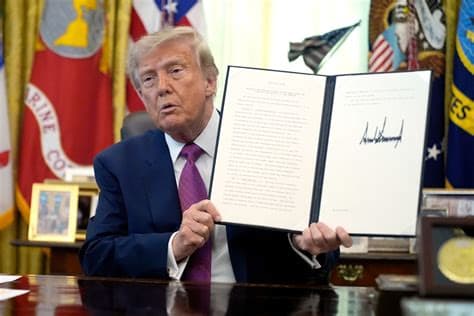
In the final days before a looming deadline, Minnesota officials find themselves entangled in new federal pressure amid a sprawling investigation into alleged misuse of child care funds. The state has been given until Jan. 9 to hand over extensive documentation to the U.S. government or risk potentially losing millions of dollars in federal support designed to make child care affordable for low-income families.
The deadline was communicated in an email last Friday by the Minnesota Department of Children, Youth and Families (DCYF) to child care providers — a message that lands against a backdrop of controversy over allegations of fraud at day care centers in the state. Federal authorities, led by the Department of Health and Human Services (HHS), are demanding detailed data on recipients of federal child care funds, including identifying information on providers and families, how much funding they received, and records related to alleged fraud networks and oversight.
The move follows a flurry of attention earlier this week from the Trump administration, which announced intentions to tighten reporting requirements and suggested that funding to Minnesota and other states could be frozen if thorough verification isn’t provided — a step officials say responds to a series of fraud schemes at Minnesota daycare centers, many operated by Somali residents.
It’s not entirely clear how much of the requested information Minnesota already has on hand. DCYF said in its communication that federal officials had indicated they would provide additional guidance by Jan. 5, but that the contours of possible funding restrictions remain undefined. The department is analyzing the legal, fiscal and operational implications of the federal action, noting that it does not yet know the full impact.
The stakes go beyond state administration paperwork. Minnesota receives approximately $185 million annually from the federal Child Care and Development Fund — money that supports about 23,000 children and 12,000 families each month, according to state estimates. Providers already operate on thin margins, and any disruption in funding or new reporting burdens could strain services for families who depend on them for early-childhood care.
The federal investigation has also prompted a scheduled hearing by the U.S. House Committee on Oversight and Government Reform, set to examine the broader allegations of fraudulent use of federal dollars. A spokesperson for HHS said a fraud hotline established earlier this week has already received more than 200 tips from the public.
Minnesota officials and Democratic leaders have criticized the federal actions as politically motivated — pointing to the timing and rhetoric surrounding the allegations — and have emphasized the importance of evidence-based oversight. Meanwhile, child care advocates worry that families and providers could face real hardships if uncertainty around funding persists.
As the Jan. 9 deadline approaches, the clash between state and federal priorities underscores how administrative data and fiscal federalism can become central to larger political and social debates — especially when vital services for families are on the line.
AI Image Disclaimer Images in this article are AI-generated illustrations, meant for concept only.
Sources Associated Press Reuters ABC News coverage of federal reporting requirements and funding freeze proposals
Published by Banx Network. This article is part of the Banx decentralized media programme, powered by the BXE token on the XRP Ledger.