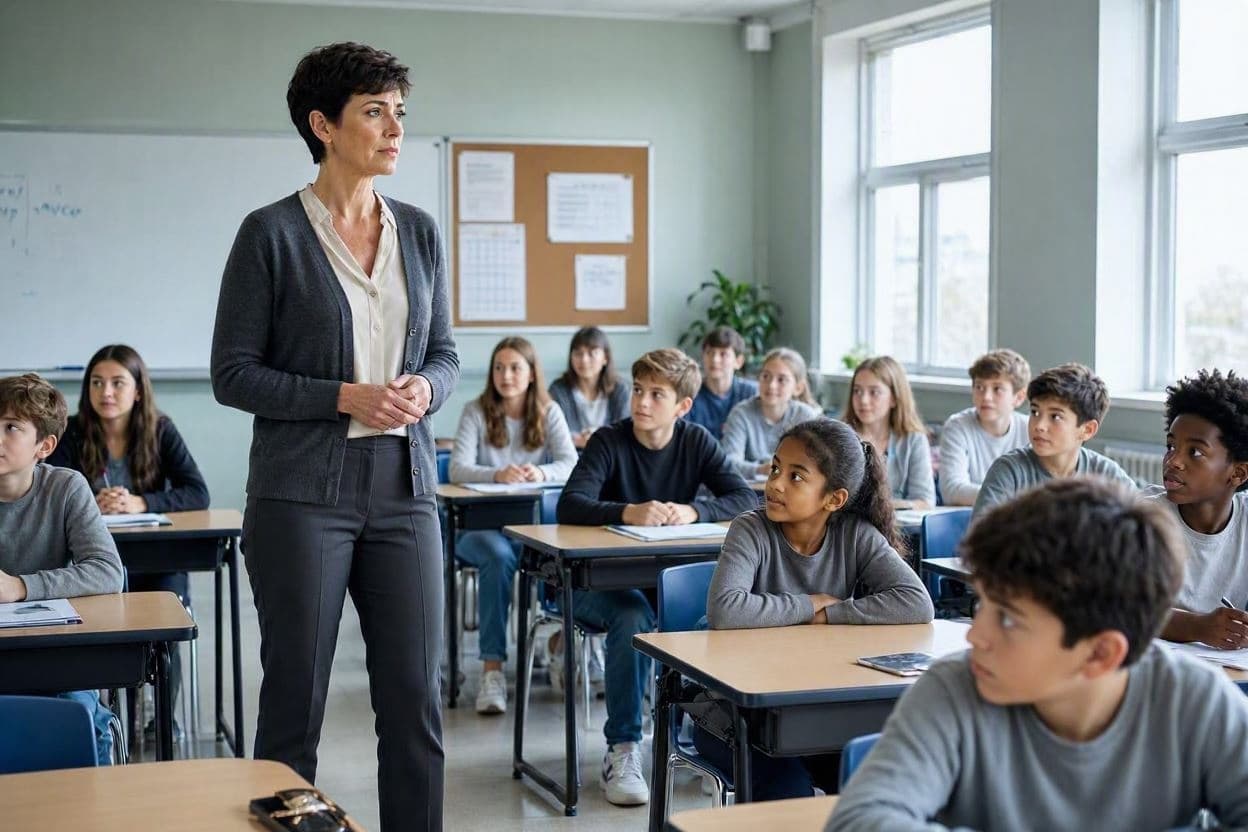
In classrooms across British Columbia, educators are facing a growing and distressing challenge: violence from students. A recent survey reveals that a staggering number of teachers have experienced physical aggression, including being kicked, bitten, and slapped, by the very children they are tasked with teaching. This alarming trend highlights a crisis in school safety and student well-being, urging a deeper look at the underlying causes and potential solutions. For teachers, the classroom has become a place of vulnerability rather than just learning.
The data, collected by the British Columbia Teachers’ Federation, shows that nearly all respondents have witnessed or experienced some form of violence in the past year. For many, this is not an isolated incident but a recurring reality. The physical toll is compounded by the emotional and psychological impact, leading to high rates of burnout and stress among educators. When a teacher is bitten or struck, it is not just a personal injury but a breach of the trust and safety that should define the educational environment.
Several factors contribute to this rise in aggression. Experts point to inadequate support for students with special needs, mental health challenges, and behavioral issues. Classrooms are often understaffed, leaving teachers without the necessary resources to manage complex behaviors effectively. The lack of immediate intervention and specialized assistance means that teachers are left to handle situations that require professional therapeutic support, a role they are not trained or equipped to fulfill alone.
For students, acting out may be a cry for help or a manifestation of unresolved trauma. Without proper diagnosis and support, these behaviors escalate, affecting not only the individual student but the entire class. The cycle of violence disrupts learning, creates fear, and erodes the sense of community that schools strive to build. Addressing this issue requires a holistic approach that prioritizes mental health and behavioral support over punitive measures.
Teachers are calling for systemic changes, including more educational assistants, better access to psychologists, and comprehensive training in de-escalation techniques. They argue that current policies are insufficient to protect staff and support students. The demand is not for harsher discipline but for more resources and a collaborative model that involves parents, administrators, and healthcare professionals. It is a plea for a safer, more supportive school system.
The provincial government has acknowledged the issue and promised increased funding for mental health services in schools. However, many educators feel that these measures are too slow and do not address the immediate needs of those on the front lines. The gap between policy and practice remains wide, leaving teachers to navigate dangerous situations with limited backing. This disconnect fuels frustration and a sense of abandonment among the teaching profession.
Public awareness of the issue is growing, with parents and community members expressing concern for both teachers and students. The narrative is shifting from blaming individuals to recognizing a systemic failure. By understanding the root causes of classroom violence, society can work toward solutions that benefit everyone involved. It is a collective responsibility to ensure that schools are safe havens for learning and growth.
In the end, the stories of kicked and bitten teachers are a call to action. They remind us that education is not just about academics but about caring for the whole child and the adults who guide them. By investing in support systems and listening to educators, we can restore safety and respect to the classroom. It is a journey toward healing that requires patience, empathy, and sustained effort.
AI Image Disclaimer: The images accompanying this article are AI-generated artistic interpretations of classroom settings and educational themes, not actual photographs of specific incidents or individuals.
Sources: CTV News Vancouver CBC News British Columbia Teachers’ Federation
Published by Banx Network. This article is part of the Banx decentralized media programme, powered by the BXE token on the XRP Ledger.