There are moments in the global market when the movement of oil feels less like a commodity trade and more like the turning of tides. Prices rise and fall not merely on numbers, but on whispers — of diplomacy unfolding behind closed doors, of ships waiting at constrained waterways, of distant negotiations that ripple across oceans. In recent days, crude has drifted lower, yet beneath that gentle slide lies a confluence of forces quietly shaping the horizon.
Oil prices softened as renewed diplomatic signals surrounding Iran emerged. Talks over sanctions relief and nuclear compliance — long a pendulum between optimism and skepticism — have once again entered the conversation. The possibility that Iranian barrels could return more freely to global markets carries weight. Even before a formal agreement, markets often move in anticipation. Traders measure not only current supply, but potential supply — what might flow tomorrow, and what that means for inventories already stretched across continents.
At the same time, tension continues to shadow the Black Sea. The prolonged strain linked to the Ukraine blockade has altered traditional shipping routes and logistics. Energy corridors once considered predictable now demand contingency plans. Each disruption, however incremental, reshapes freight costs and delivery timelines. While crude flows have adapted over time, uncertainty lingers like fog over busy waters, influencing sentiment as much as physical barrels.
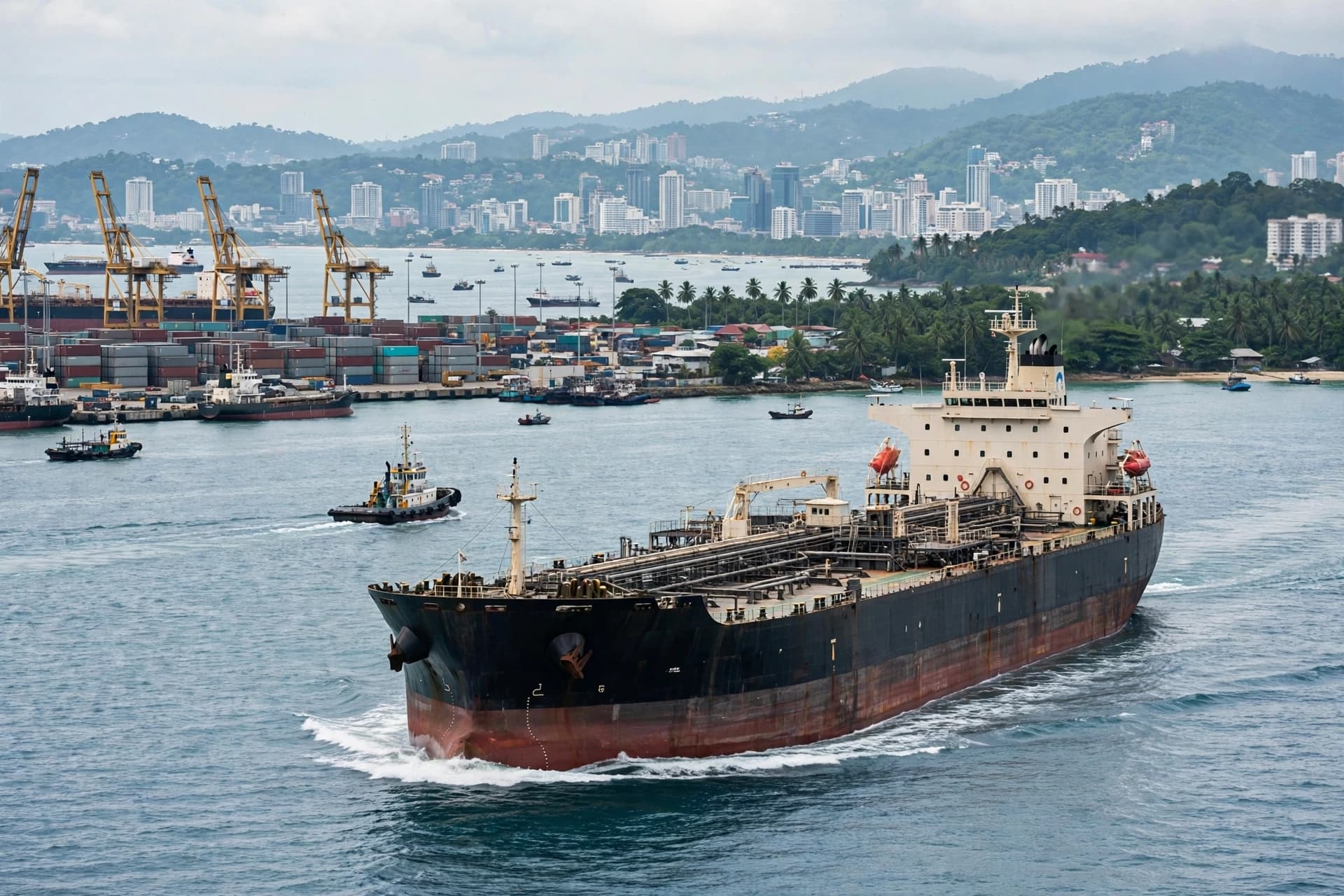
Yet there is another, less visible factor tightening the narrative: the very large crude carrier market. The VLCC fleet — those immense vessels that carry millions of barrels across hemispheres — faces periodic crunches driven by longer voyages, sanctions-related rerouting, and shifting trade patterns between East and West. When ships must travel farther or wait longer, available capacity narrows. Freight rates adjust. Arbitrage opportunities shift. The price of oil on paper begins to reflect the price of moving oil in reality.
In recent sessions, these overlapping currents have created a nuanced picture. On one side, the prospect of increased Iranian supply exerts downward pressure. On the other, shipping bottlenecks and geopolitical constraints temper how quickly supply can truly respond. Markets, ever forward-looking, attempt to reconcile the promise of abundance with the mechanics of delivery.
Beyond geopolitics and freight charts, broader demand signals also shape the atmosphere. Refinery activity, seasonal consumption patterns, and macroeconomic expectations quietly influence the backdrop. When economic data points suggest moderation in growth, even modest increases in supply can weigh more heavily on prices. Conversely, any sign of tightening logistics can magnify concerns about availability.
Thus, oil’s recent slip appears less a dramatic fall and more a measured recalibration. It reflects a market attentive to diplomacy yet cautious about infrastructure realities. It acknowledges that barrels in theory do not always translate immediately into barrels at port. And it recognizes that in today’s energy landscape, shipping routes are as influential as oil fields.
For policymakers and producers alike, the message is subtle. Stability in energy markets depends not only on supply agreements, but on transport security and clear communication. Diplomacy can open doors, but tankers must still sail through them.
In the days ahead, traders will continue watching negotiation tables in Tehran and Western capitals, scanning satellite images of ports, and calculating freight spreads. Oil’s direction may hinge not on a single headline, but on the quiet accumulation of developments across diplomacy, conflict, and maritime logistics.
For now, the market breathes in cautious balance — aware that in energy, as in the sea, calm surfaces often conceal powerful currents below.
AI Image Disclaimer Visuals are created with AI tools and are not real photographs.
Source Check (Credible Media Scan): Reuters Bloomberg CNBC Financial Times The Wall Street Journal
Published by Banx Network. This article is part of the Banx decentralized media programme, powered by the BXE token on the XRP Ledger.