
Key Highlights
- Date of Incident:January 20, 2026, near Gelida, Spain.
- Casualties:Train driver killed; 37 injured, five critically.
- Emergency Response:20 ambulances and 38 fire brigade units deployed.
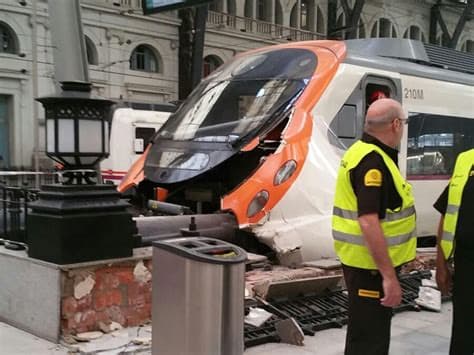
On January 20, 2026, a Rodalies de Catalunya commuter train derailed near Gelida, approximately 35 kilometers west of Barcelona. The train collided with a retaining wall that had succumbed to heavy rainfall, leading to catastrophic results. Local fire department inspector Claudi Gallardo reported that the train driver was killed and a total of 37 people sustained injuries, with five of those being in critical condition.
Emergency responses were swift, with around 20 ambulances and 38 fire brigade units deployed to the scene. All passengers were accounted for, and no one remained trapped in the wreckage. Those injured were evacuated to various hospitals, with some receiving immediate care on-site. The rapid response of emergency services was crucial in managing the aftermath of the derailment.
This tragic incident marks another dark chapter in Spain's railway history, occurring just two days after a high-speed train collision in Adamuz, which resulted in 42 fatalities. These incidents have raised serious concerns about the reliability and safety of Spain's railway systems, particularly the commuter lines, which have faced criticism for underfunding and operational issues.
In light of the recent events, commuter services across the Rodalies network have been suspended as safety inspections are carried out. Both the government and railway operators have vowed to investigate the circumstances surrounding these tragic incidents thoroughly. The need for improved safety measures and infrastructure investment has never been more urgent.
Authorities have set up a support center for the families of victims affected by the crashes, emphasizing the communal impact and the ongoing recovery efforts amid a rising death toll from the previous accident. As this situation unfolds, officials are under pressure to ensure the safety of rail services in Spain moving forward. The public is calling for accountability and transparency in the investigation process to prevent future tragedies.
The implications of these accidents extend beyond immediate safety concerns, as they highlight the broader issues facing Spain's railway infrastructure. With increasing passenger numbers and aging systems, the need for modernization and investment in rail safety has become critical. Stakeholders are urged to prioritize these issues to restore public confidence in the railway system.
Published by Banx Network. This article is part of the Banx decentralized media programme, powered by the BXE token on the XRP Ledger.



