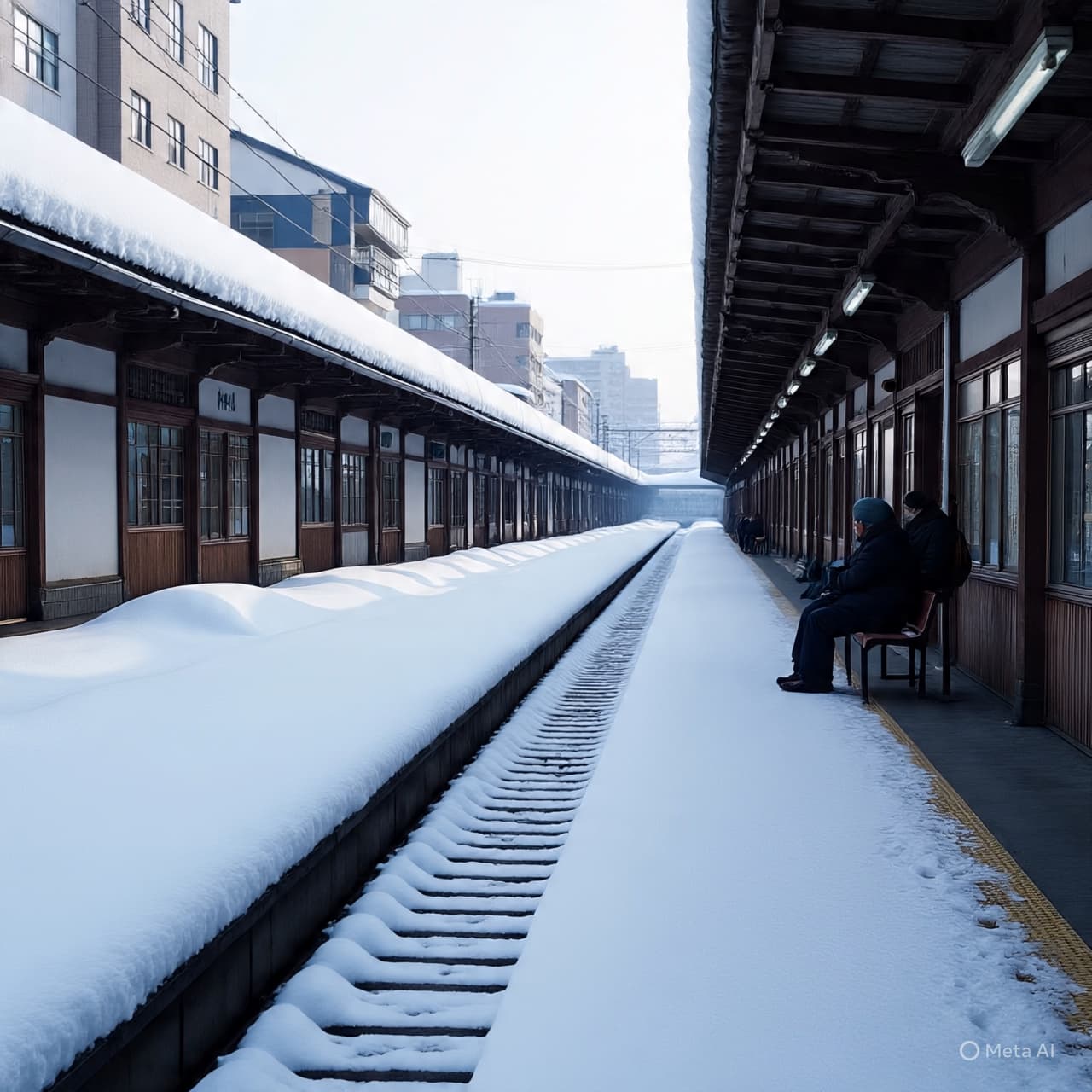
Across Japan, voters stepped carefully through snow-covered streets and icy sidewalks, turning out for a rare midwinter election that could reshape the country’s political balance. The snap poll, called by Prime Minister Sanae Takaichi, comes at a pivotal moment for a government seeking renewed public trust.
Takaichi announced the election shortly after securing leadership of the ruling Liberal Democratic Party (LDP) last October. It marks Japan’s first winter general election in more than three decades, a move widely seen as an effort to quickly secure a fresh mandate while her approval ratings remain strong.
The decision carried risks. The LDP had previously lost its majority in both chambers of parliament, and its long-standing alliance with Komeito had collapsed. For a party that has dominated much of Japan’s postwar politics, the erosion of its traditional support base raised questions about its staying power.
Yet recent polling suggests the gamble may pay off. Takaichi’s personal popularity has kept government approval above 70 percent, and surveys indicate the LDP’s new partnership with the Japanese Innovation Party could secure as many as 300 of the 465 seats in the lower house.
The potential recovery would mark a significant turnaround for the party, which has struggled in recent years. Two previous prime ministers resigned before completing their terms following fundraising controversies, declining public support, and disappointing election results.
Despite the political momentum, voters remain focused on everyday concerns. Many say rising living costs have unsettled a society long accustomed to price stability. “People want their lives to feel more secure and comfortable,” said Tokyo resident Ritsuko Ninomiya. “We’re not used to inflation, so there’s a lot of anxiety. What we need are long-term solutions, not temporary measures.”
Housing affordability has become another pressing issue for families. “Our son is growing, and we need a bigger home, but it’s out of reach even with stable jobs,” said Rumi Hayama. “Everything costs more now. Living in Japan feels harder than it used to.”
Public frustration has also been shaped by a series of political scandals that damaged the LDP’s image before Takaichi took office. Her energetic campaign style, promises of expanded government spending, and emphasis on national priorities have helped restore confidence among some voters.
Still, not everyone is convinced. Business leaders and policy analysts have expressed concern that increased spending may strain an economy already burdened by one of the highest public debt levels among developed nations. Others worry that a cautious approach to immigration could worsen labor shortages in a rapidly aging society.
For younger voters, the election carries particular weight. “This feels important for our generation,” said Daniel Hayama. “The weather isn’t a reason not to vote.”
Even so, the harsh conditions may affect turnout. Heavy snowfall across northern and eastern regions has disrupted travel, and early voting figures—about 4.6 million ballots—were down 2.5 percent compared with the previous election.
In several areas, including Niigata Prefecture, heavy snow blanketed roads and rail lines. The transport ministry reported dozens of train routes suspended, ferry services halted, and more than 50 flights cancelled. Tokyo itself saw rare snowfall as residents made their way to polling stations.
As the day unfolds, the election reflects more than a contest for parliamentary seats. It captures a country balancing caution and hope—citizens voting through winter weather while weighing economic uncertainty, political stability, and the direction of leadership in the years ahead.
Published by Banx Network. This article is part of the Banx decentralized media programme, powered by the BXE token on the XRP Ledger.

.jpg&w=3840&q=75 "Same-Sex Couple Sue Slovakia Over Refusal to Register Their Marriage")