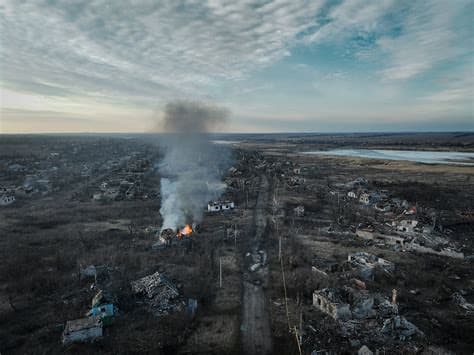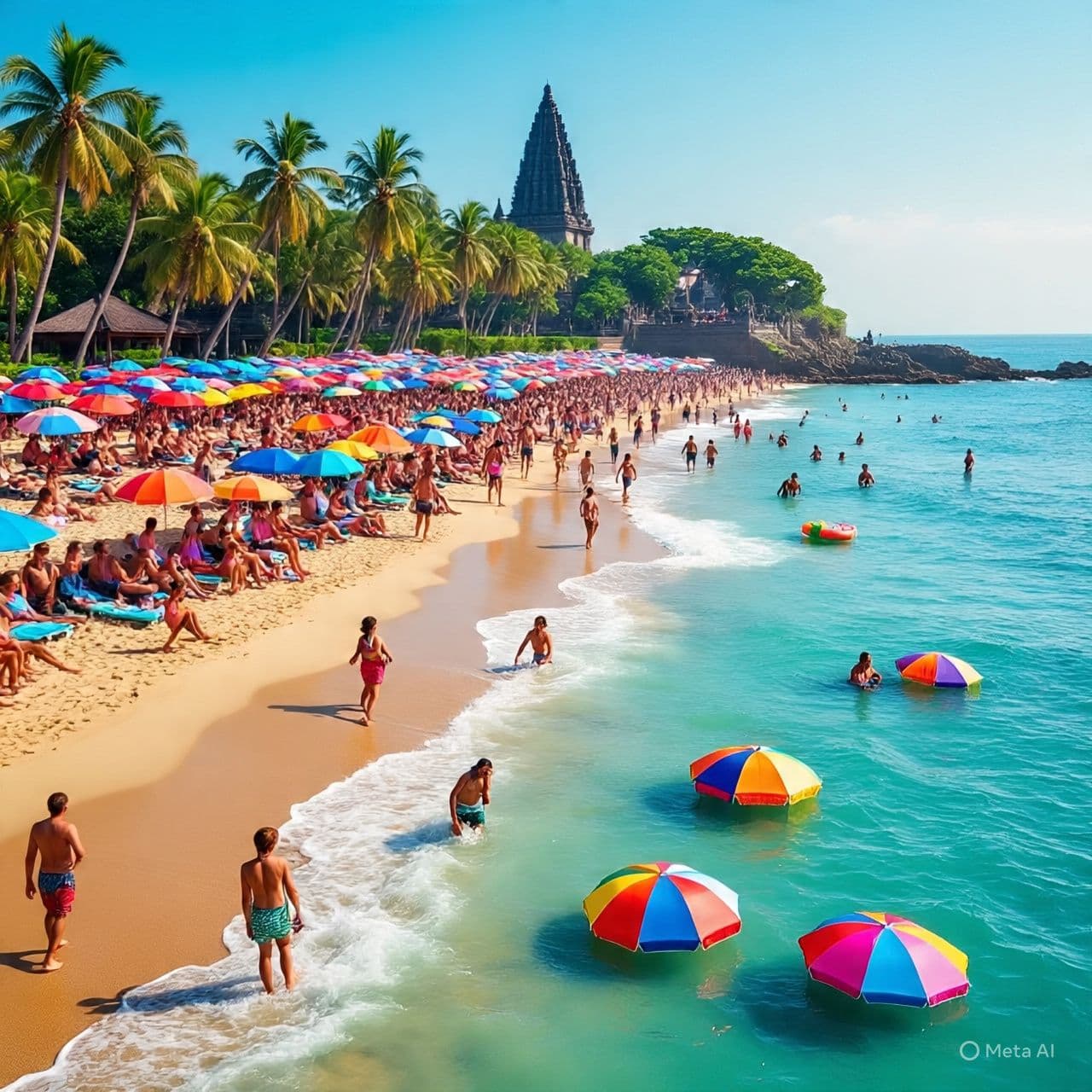
Bali has long been marketed as a dream destination. Sun-drenched beaches, terraced rice paddies, and serene temples adorn countless travel posters and Instagram feeds. But for many recent travelers, the reality of the island is proving more complicated. A growing number of tourists report disappointment after arriving on the Indonesian island, citing overcrowded attractions, mounting waste, and gridlocked traffic as major concerns. “It’s not what we expected from the pictures,” one traveler remarked on social media. The gap between image and reality stems partly from the power of online promotion. Platforms like Instagram have created viral hotspots, drawing thousands to the same picturesque corners. Locations once quiet and spiritual, such as Bali’s rice terraces or cliffside temples, now buzz with queues of visitors seeking the perfect photograph. Beyond the crowds, the island faces ecological strain. Plastic waste on beaches, rising water consumption, and construction pressures challenge Bali’s natural balance. Local voices increasingly warn that unchecked growth risks undermining the very qualities that first drew global admiration. Still, Bali remains rich with culture and beauty. Travelers who venture beyond the most photographed locations often find more authentic experiences — small village ceremonies, hidden waterfalls, or quiet mornings along lesser-known coasts. Tourism experts suggest that more sustainable travel habits, including visiting off-peak destinations or supporting local community-led tours, could help relieve pressure. As Bali navigates its popularity, the island stands as a reminder of the double-edged nature of global tourism. Paradise, it seems, is not immune to the weight of its own allure.
Published by Banx Network. This article is part of the Banx decentralized media programme, powered by the BXE token on the XRP Ledger.