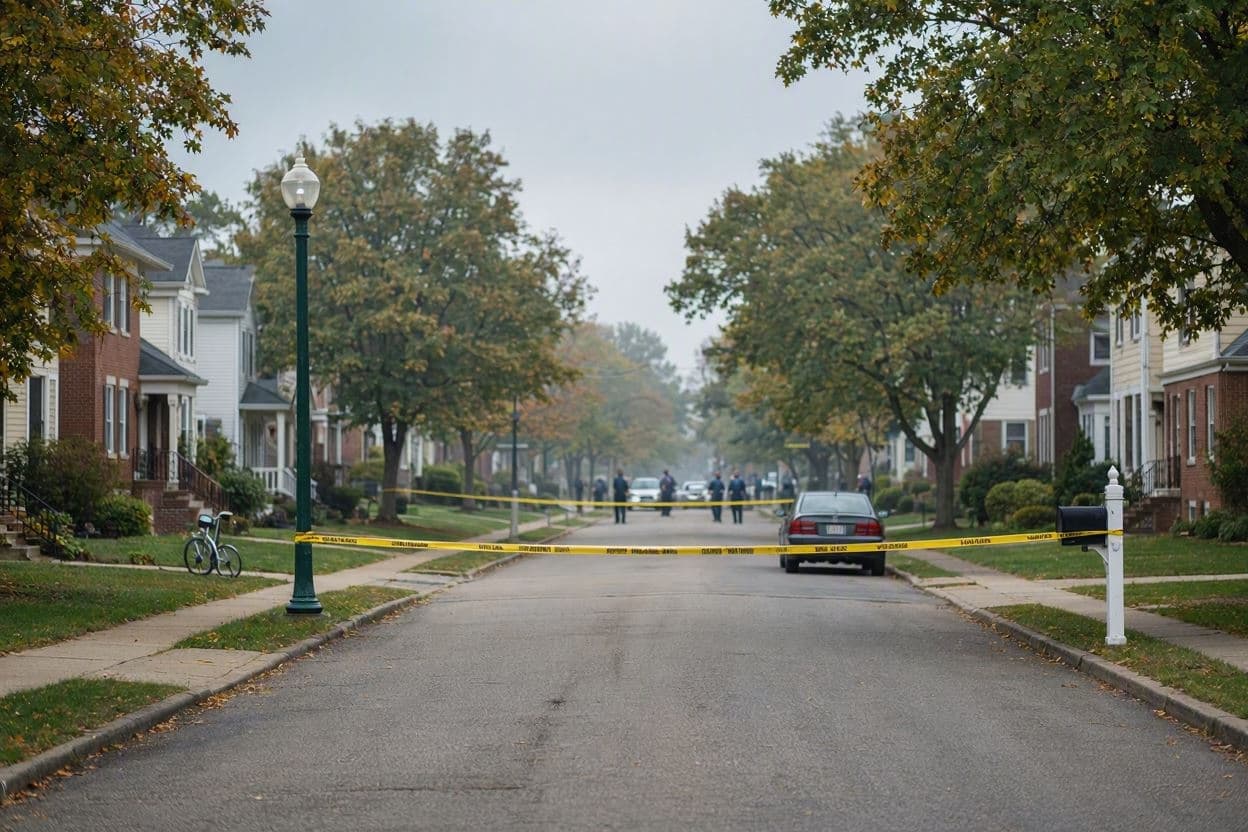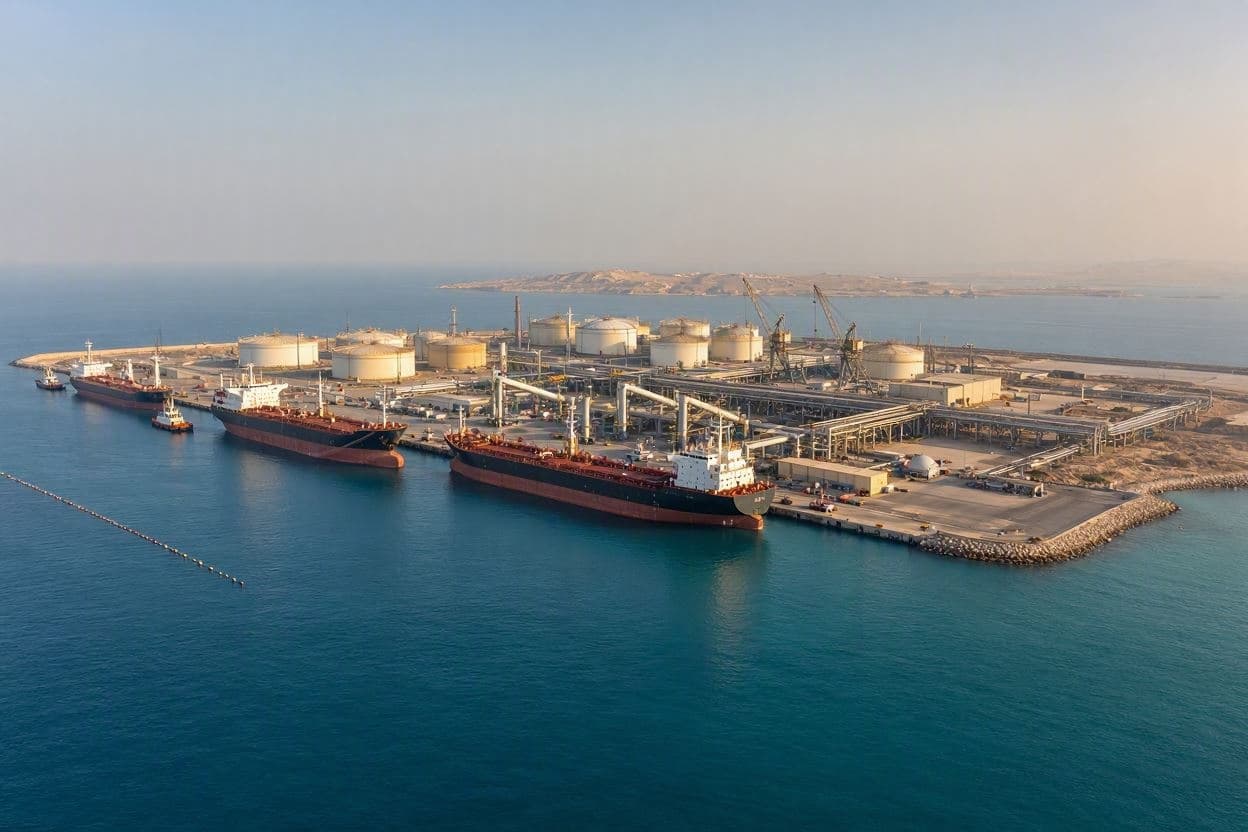
In the theater of international relations, words often serve as precursors to action, setting the stage for potential conflict or diplomacy. Recent remarks by former President Donald Trump regarding Kharg Island have added a new layer of tension to an already volatile region. Following reports of Iranian strikes on US bases in Jordan, the suggestion of retaliation against a critical oil export terminal underscores the delicate balance of power in the Middle East. This development invites reflection on the risks of escalation and the complexities of deterrence in modern geopolitics.
Kharg Island is a vital hub for Iran’s oil exports, handling a significant portion of the country’s crude shipments. Targeting such a facility would have profound economic implications, not only for Iran but for global energy markets. The threat of striking this infrastructure signals a willingness to impose severe economic costs, raising the stakes in the ongoing confrontation. It is a move that blends military strategy with economic warfare.
The context of these remarks is crucial. They come in response to attacks on US personnel in Jordan, incidents that have heightened concerns about safety and sovereignty. For American policymakers, the challenge lies in responding effectively without triggering a wider regional war. The temptation to strike back hard must be weighed against the potential for unintended consequences and prolonged instability.
Iran, for its part, has consistently warned that any attack on its sovereign territory or critical infrastructure will be met with a robust response. The rhetoric from both sides creates a feedback loop of threat and counter-threat, increasing the risk of miscalculation. Diplomats and analysts watch closely, hoping for channels of de-escalation to remain open despite the heated language.
Global oil prices react sensitively to such news, reflecting the market’s fear of supply disruptions. Even the mere possibility of conflict in the Persian Gulf can cause spikes in energy costs, affecting consumers worldwide. This economic dimension adds pressure on leaders to consider the broader impact of their decisions, beyond immediate strategic goals.
Allies in the region express concern about the potential for broader conflict. Countries that rely on stability for their own security and economic prosperity urge restraint. They advocate for coordinated responses that prioritize de-escalation and dialogue, fearing that unilateral actions could destabilize the entire Middle East.
The role of public opinion also plays a part. Domestic audiences in both the US and Iran look to their leaders for strength and protection. Political narratives often shape policy choices, with leaders feeling compelled to demonstrate resolve. This dynamic can sometimes limit flexibility, making diplomatic solutions harder to achieve.
As the situation evolves, the international community calls for caution. The history of the region is marked by cycles of violence and reconciliation. Breaking this cycle requires careful navigation, where strength is balanced with wisdom. The coming days will be critical in determining whether rhetoric gives way to action or if space for diplomacy can be preserved.
Trump’s comments on retaliating against Kharg Island following attacks in Jordan highlight the escalating tensions between the US and Iran. The potential targeting of critical oil infrastructure raises concerns about regional stability and global economic impact. Restraint and diplomatic engagement remain essential to preventing further escalation.
AI Image Disclaimer: The images associated with this article are AI-generated visualizations intended to symbolize geopolitical tension and energy security, using respectful and abstract imagery of oil facilities and maps.
Sources: Reuters Associated Press Middle East Eye
Published by Banx Network. This article is part of the Banx decentralized media programme, powered by the BXE token on the XRP Ledger.
.jpg&w=3840&q=75 "Canada’s Carney Criticizes Trump Administration for “Doing Memes” and “Throwing Shade”")