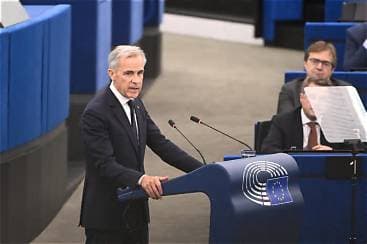
In the halls of power in St. John’s, a decision looms that could reshape the energy landscape of Atlantic Canada. Politicians in Newfoundland and Labrador are preparing to vote on a proposed energy agreement with Quebec, a deal that promises both opportunity and complexity. This moment is not just about electricity; it is about regional cooperation, economic future, and the delicate balance of provincial interests. It invites reflection on how neighbors can work together to harness natural resources for mutual benefit.
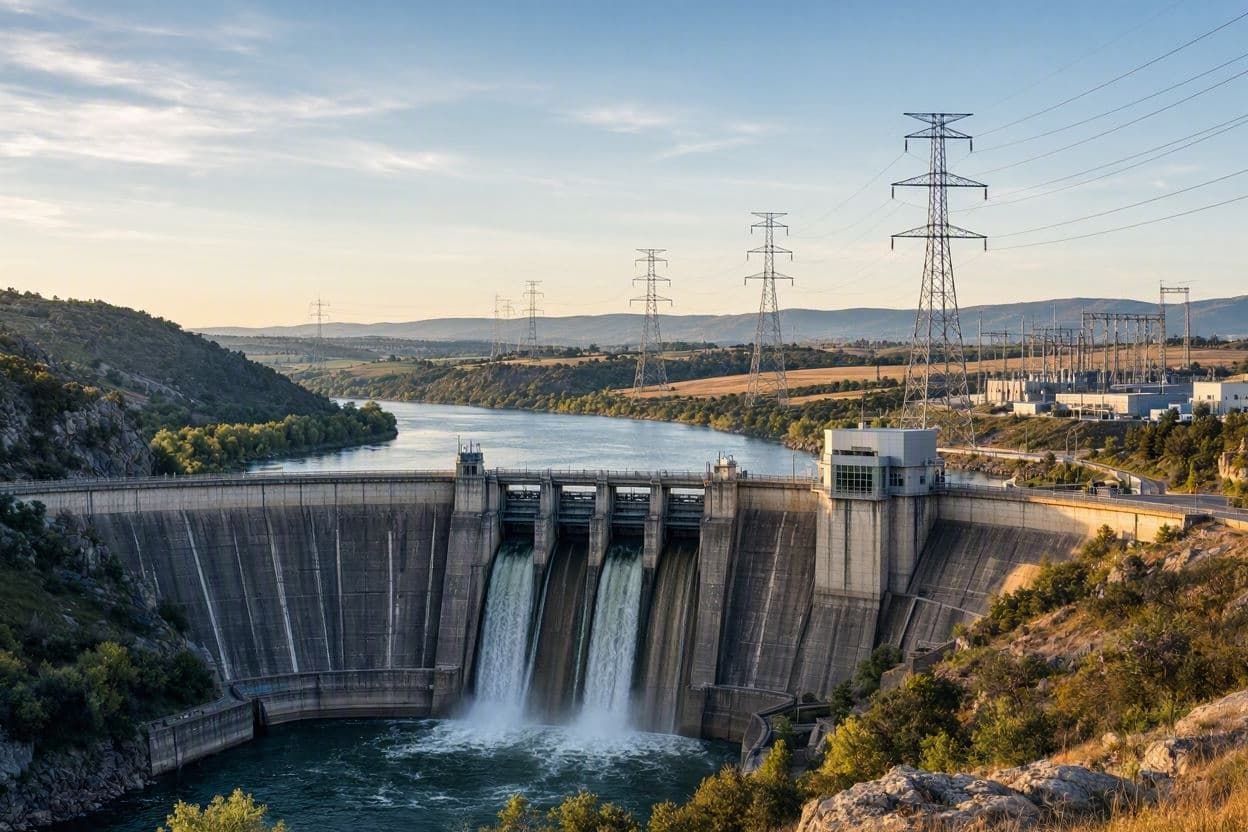
The proposal centers on the development and transmission of hydroelectric power, leveraging the abundant water resources of Labrador. For decades, the relationship between Newfoundland and Labrador and Quebec regarding energy has been marked by negotiation and occasional tension. This new agreement aims to create a more collaborative framework, ensuring that both provinces share in the benefits of clean energy production. It is a step toward resolving long-standing disputes and fostering a spirit of partnership.
Supporters of the deal argue that it will bring significant economic investment to Newfoundland and Labrador, creating jobs and stimulating local industries. They emphasize the importance of transitioning to renewable energy sources in the fight against climate change. By exporting clean power to Quebec and beyond, the province can position itself as a leader in sustainable development. This vision appeals to those who see energy as a tool for both prosperity and environmental stewardship.
Critics, however, raise concerns about the terms of the agreement and its long-term implications. Some worry that the province may not receive fair value for its resources, echoing historical grievances over the Churchill Falls contract. Others question the environmental impact of further hydroelectric development on local ecosystems. These voices highlight the need for thorough scrutiny and transparent decision-making to ensure that the deal serves the best interests of all residents.
The political debate surrounding the vote has been intense, with parties presenting contrasting views on the best path forward. Government leaders advocate for the agreement as a necessary step for economic growth, while opposition members call for more caution and renegotiation. This democratic process allows for diverse perspectives to be heard, ensuring that the final decision is well-considered and representative of public sentiment.
Beyond politics, the agreement has implications for everyday citizens. Energy costs, job opportunities, and environmental quality are all at stake. Communities across the province are watching closely, hoping that the outcome will bring stability and progress. Their engagement in the process is crucial, as public opinion often influences political decisions in significant ways. It is a reminder that democracy thrives on active participation.
As the vote approaches, negotiations continue behind the scenes, with officials working to address remaining concerns. The goal is to reach a consensus that balances economic gains with social and environmental responsibilities. This collaborative effort reflects a mature approach to governance, where compromise and dialogue lead to sustainable solutions. It is a model for how complex regional issues can be resolved through cooperation.
The upcoming vote on the Quebec energy proposal is a pivotal moment for Newfoundland and Labrador. It offers an opportunity to redefine regional relationships and secure a sustainable energy future. Regardless of the outcome, the discussion itself highlights the importance of thoughtful leadership and community engagement. As politicians cast their votes, they carry the hopes and concerns of their constituents, striving for a decision that will benefit generations to come.
AI Image Disclaimer: The visual representations in this article are AI-generated illustrations designed to convey the thematic elements of energy policy and political decision-making, not actual photos of the legislative assembly.
Sources: The Toronto Star CBC News Newfoundland and Labrador The Walrus Financial Post
Published by Banx Network. This article is part of the Banx decentralized media programme, powered by the BXE token on the XRP Ledger.