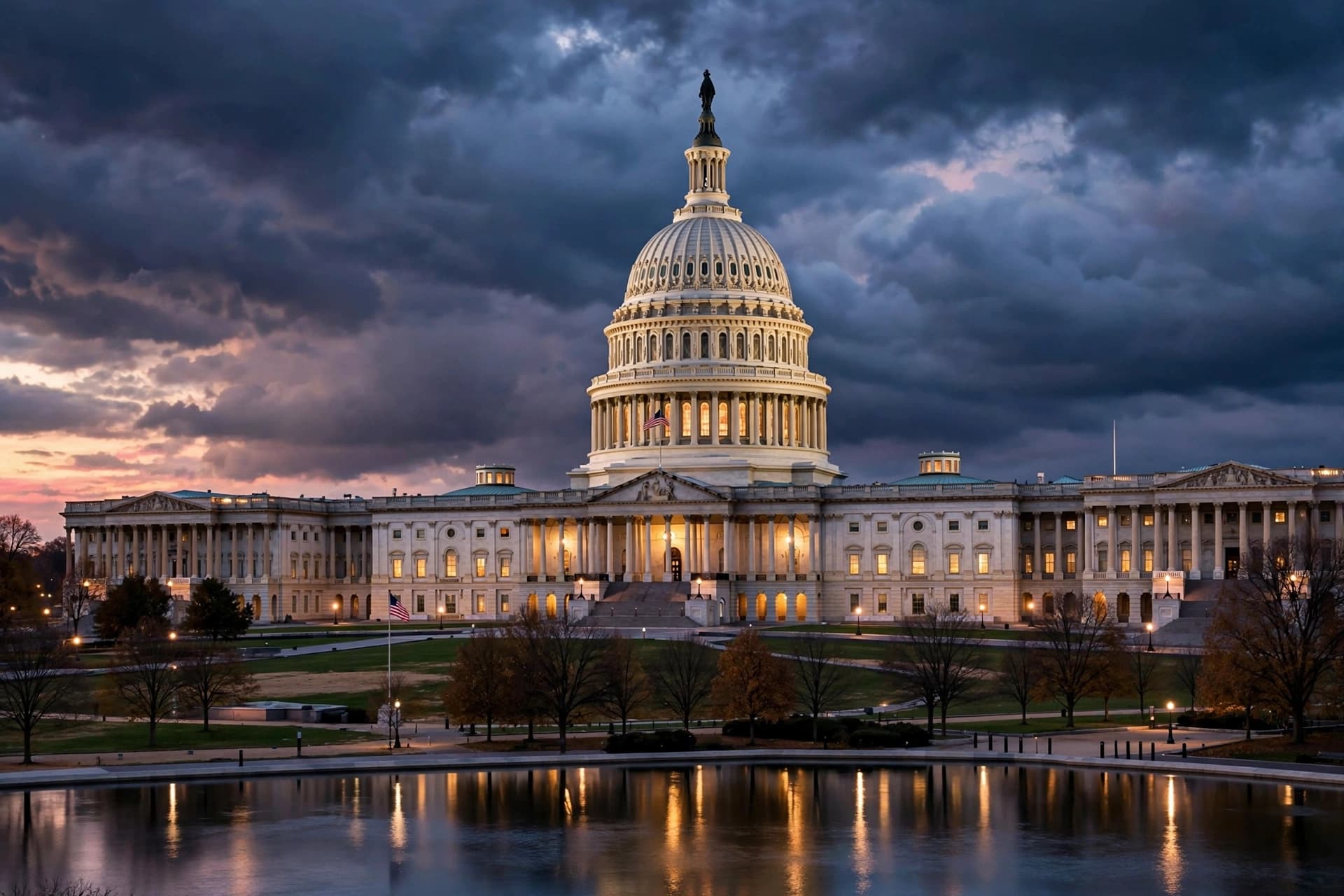
In the intricate dance of governance, the separation of powers serves as a safeguard against the concentration of authority. When one branch seeks to alter the established rhythms of funding and policy, it often sparks a debate about constitutional boundaries. Senator Susan Collins has recently voiced strong opposition to a plan attributed to former President Donald Trump, arguing that it seeks to politicize federal grants in a manner that defies the will of Congress. Her stance highlights the enduring tension between executive ambition and legislative oversight, a dynamic that shapes the very fabric of American democracy.
The controversy centers on proposals to redirect or withhold federal grants based on political criteria rather than statutory requirements. Senator Collins, known for her moderate voice and commitment to institutional norms, argues that such actions undermine the integrity of the grant-making process. She contends that Congress, through its power of the purse, has established specific guidelines for how funds should be distributed, and any attempt to bypass these guidelines constitutes an overreach of executive authority.
For many lawmakers, the issue is not just about money but about principle. Federal grants support a wide range of programs, from scientific research to community development, and their distribution is meant to be based on merit and need. Politicizing this process could erode public trust in government institutions and disadvantage communities that rely on consistent and fair funding. Senator Collins’ criticism reflects a broader concern among legislators about preserving the nonpartisan nature of certain governmental functions.
The response from supporters of the plan suggests a different perspective, one that views executive flexibility as necessary for implementing policy priorities. They argue that the president has a mandate to direct resources in alignment with their agenda. However, critics maintain that this mandate does not extend to ignoring laws passed by Congress. The debate thus becomes a contest of interpretations, with each side citing constitutional provisions to support their position.
Senator Collins’ statement carries weight due to her reputation for bipartisanship and careful deliberation. By framing the issue as a defense of congressional authority, she appeals to a fundamental aspect of the U.S. political system. Her remarks serve as a reminder that checks and balances are not merely theoretical concepts but active mechanisms that require vigilance and engagement from elected officials.
The implications of this dispute extend beyond the immediate context of grant funding. It touches on the broader question of how power is exercised and constrained in a democratic society. If executive actions are allowed to override legislative intent without consequence, it could set a precedent that alters the balance of power for future administrations. This makes the current debate significant for the long-term health of American governance.
As the discussion continues, stakeholders from various sectors are watching closely. Nonprofits, researchers, and local governments depend on the stability of federal grants, and any uncertainty can disrupt their operations. The outcome of this political struggle will likely influence how future administrations interact with Congress on matters of spending and policy implementation.
Senator Collins’ opposition to the plan to politicize federal grants underscores the importance of adhering to constitutional norms. It serves as a call to protect the integrity of legislative processes and ensure that government resources are distributed fairly. As the debate unfolds, it reinforces the vital role of congressional oversight in maintaining a balanced and accountable government.
AI Image Disclaimer: The images accompanying this article are AI-generated artistic interpretations of political discourse and legislative settings, not actual photographs of Senator Collins or specific political events.
Sources: The Hill Politico Bangor Daily News
Published by Banx Network. This article is part of the Banx decentralized media programme, powered by the BXE token on the XRP Ledger.