In a parliamentarian decision that revives an older tradition, Germany has voted to bring back a voluntary military-service program for eighteen-year-olds — reopening a door many assumed long shut. The move signals more than a policy shift; it reflects a recalibration of national identity, civic duty, and the role of youth in shaping a country’s readiness for uncertain times.
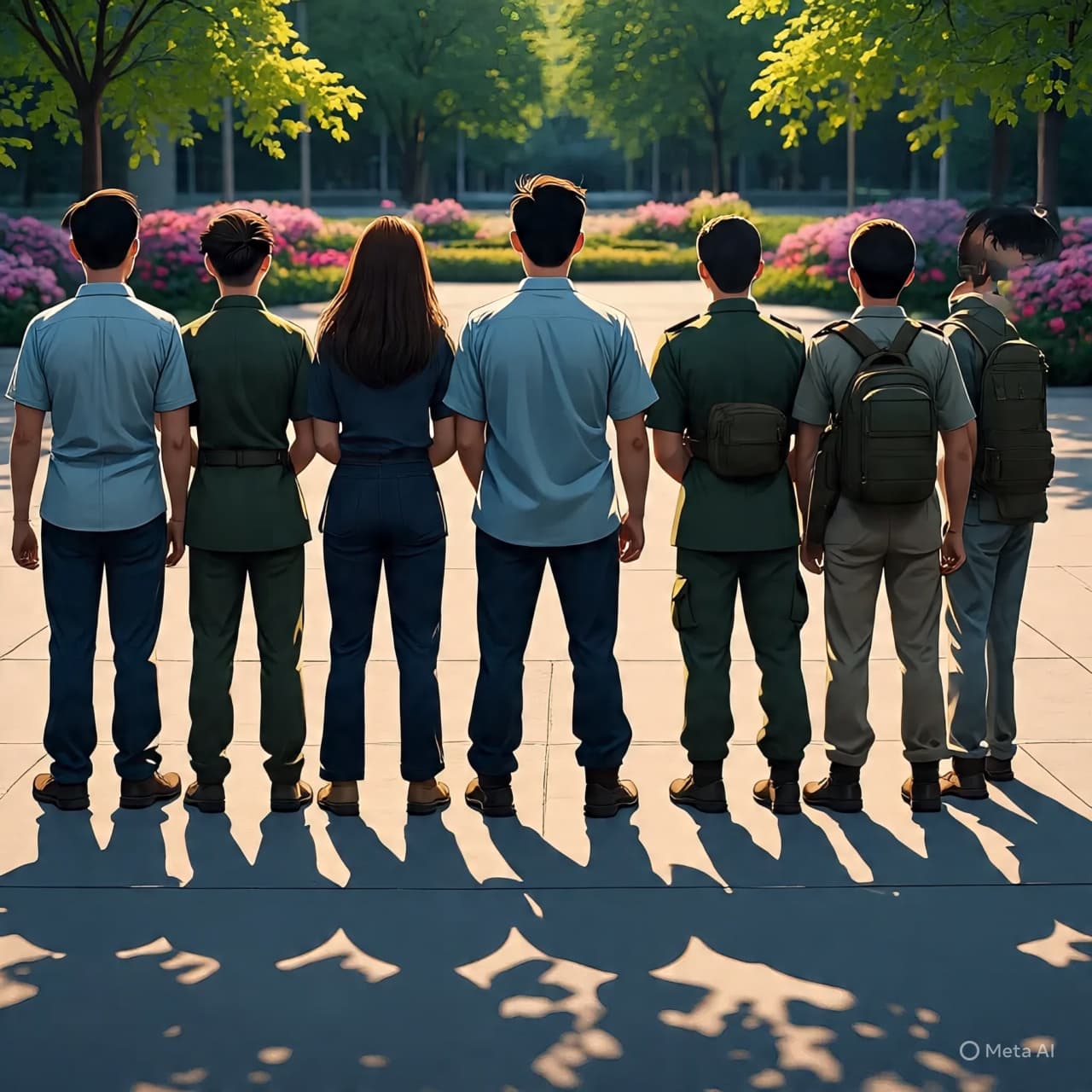
For many young Germans, the reinstated program offers a new horizon: a chance to engage in meaningful service, learn discipline, and carry the weight of responsibility long reserved for older generations. For the nation, it embodies a recognition that defence, education, and civic consciousness are interconnected — a belief that youth should not only inherit peace but also understand the costs of preserving it.
Supporters argue the initiative provides structure, opportunity, and purpose. In a world where global tensions ripple across borders, they see value in offering a voluntary path to service, training, and national solidarity without reviving full conscription. The program becomes a bridge — between adolescence and adulthood, between individual potential and collective obligation.
Critics, of course, will question whether reintroducing such programs risks militarizing youth, or whether it serves as a political gesture rather than genuine social investment. There is tension between the need for readiness and the desire for civilian normality; between building resilience and maintaining a society shaped by peace rather than uniformed routine.
But the decision stands. For at least one new cohort of eighteen-year-olds, the choice will soon emerge: from classroom to barracks, from civic detachment to readiness, from youth to young adult in uniform. Whether the path leads to duty, growth, or conflict — the symbolism is clear. Germany is asking its youth to decide: service or silent passage.
Published by Banx Network. This article is part of the Banx decentralized media programme, powered by the BXE token on the XRP Ledger.