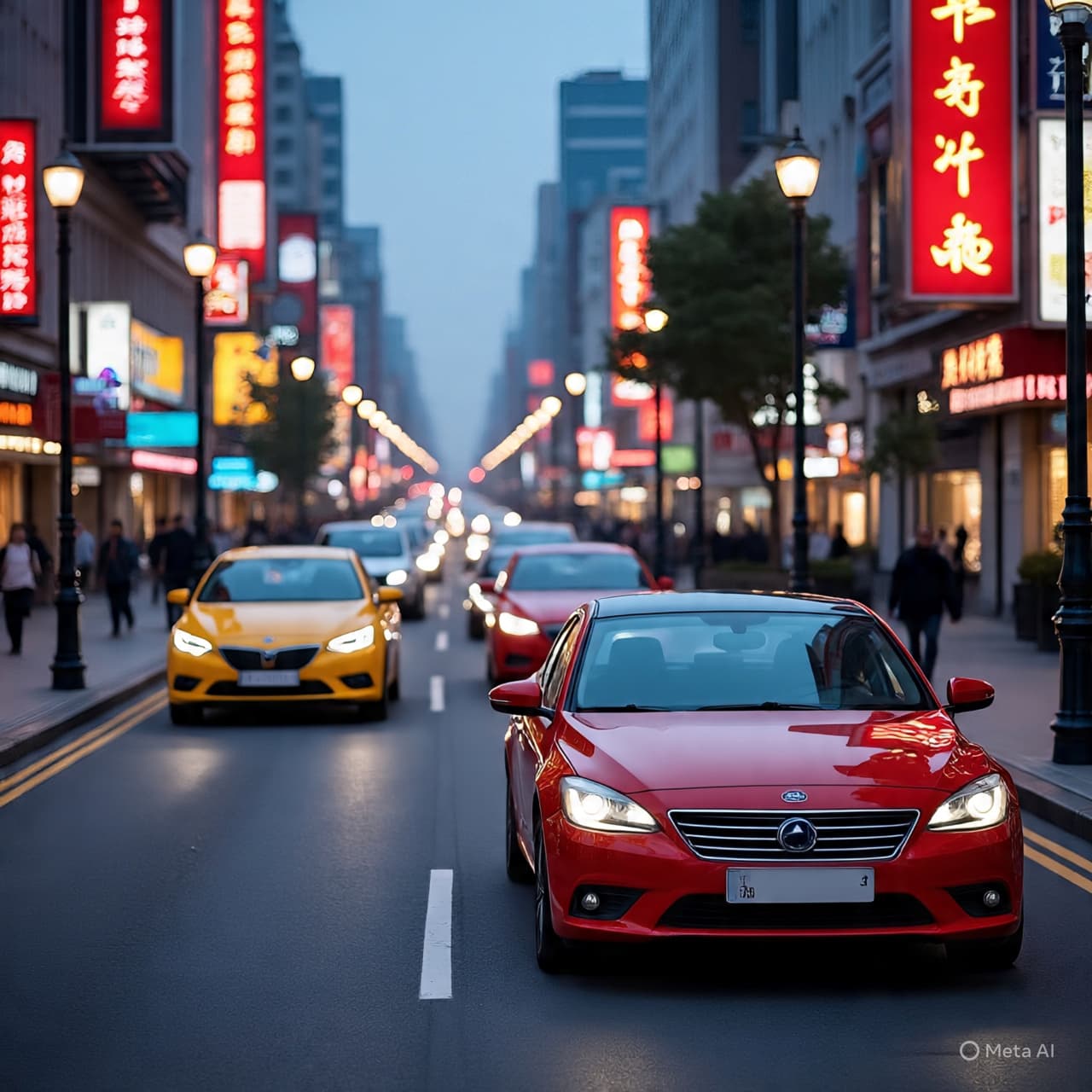
Opening A car is more than a machine; it is a vessel of aspiration, a symbol of movement, and a mirror of an economy’s pulse. In China, streets that once buzzed with new wheels now carry a quieter hum. The nation’s car market, long celebrated as the engine of global automotive growth, shows signs of slowing — a gentle reminder that even the most relentless engines eventually need recalibration. Like autumn leaves drifting in a subtle wind, sales numbers reveal a subtle shift: a market no longer racing ahead but pausing, reflecting on the paths it has taken and the choices of its drivers.
Body January 2026 brought a stark illustration of this slowdown. Passenger car sales fell nearly 20% year-over-year, the steepest decline in almost two years, signaling waning consumer appetite amid economic uncertainties and fading incentives for new energy vehicles (NEVs). Total auto sales, including EVs, mirrored the contraction, highlighting that no segment is immune to the cooling market. (apnews.com)
Foreign brands, including Volkswagen, once considered resilient pillars of China’s automotive boom, reported sales declines of up to 8% year-over-year. Meanwhile, domestic leaders like BYD face tougher headwinds, as policy shifts and consumer caution reshape the landscape. (carnewschina.com)
The causes are multifaceted. Generous NEV subsidies and tax exemptions, which had fueled rapid growth, are diminishing, removing a major tailwind for buyers. A sudden awareness of overproduction and price wars among automakers has led the government to introduce guidelines to stabilize the industry, seeking a balance between growth and sustainability. (reuters.com)
For global automakers, the contraction in China carries significance beyond borders. As the world’s largest auto market, its deceleration influences strategies from Detroit to Stuttgart, prompting reconsideration of production, marketing, and investments. The ripple effects may recalibrate global sales forecasts, supply chains, and technological development pipelines. (economist.com)
Yet amidst the caution, there is a quiet opportunity. Automakers and consumers alike may adjust with more sustainable approaches — prioritizing efficiency, durability, and market balance. The slowdown is not merely a contraction; it is a moment to pause, evaluate, and redirect momentum toward long-term stability rather than short-term acceleration.
Closing In plain terms, China’s car market has entered a period of retrenchment. Sales dropped sharply in early 2026, prompting policy adjustments and recalibration among both domestic and foreign manufacturers. While the market continues to evolve, observers and participants will watch closely to see whether this slowdown stabilizes, reverses, or reshapes the landscape for years to come.
AI Image Disclaimer (rotated) “Illustrations were produced with AI and serve as conceptual depictions.”
Sources The Economist Associated Press (AP) Reuters Car News China Bloomberg
Published by Banx Network. This article is part of the Banx decentralized media programme, powered by the BXE token on the XRP Ledger.