In the quiet rhythm of Britain’s autumn markets and shopping streets, something has shifted — not dramatically, but meaningfully. The latest figures from the Office for National Statistics show that inflation in the UK fell more than economists had expected in November, easing pressures on households just as many prepare for the festive season. The Consumer Prices Index (CPI) dipped to 3.2%, down from 3.6% in October, marking the lowest level in eight months and a steeper drop than forecasts had predicted.
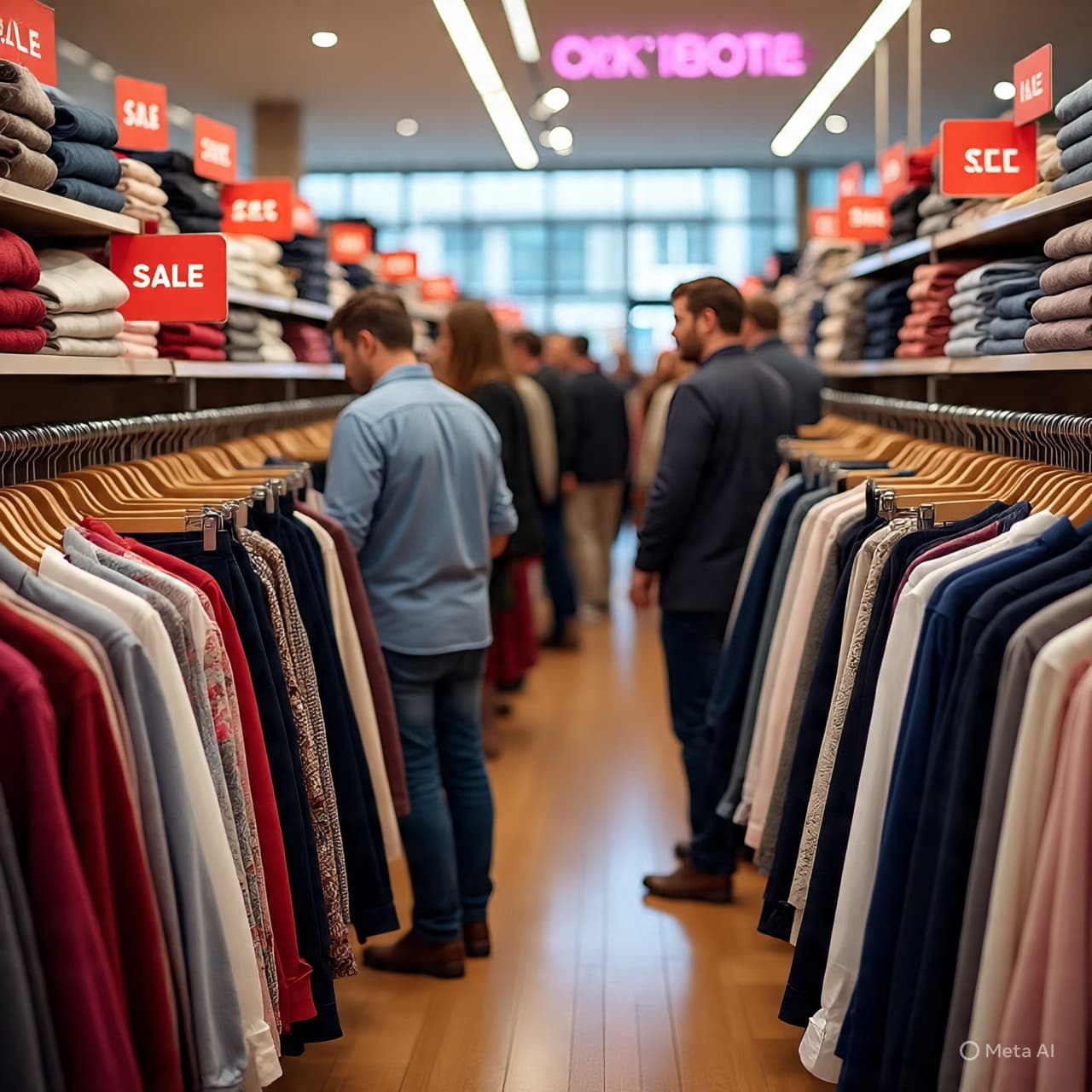
A closer look at the numbers reveals where this reduction is coming from: lower prices on clothing, footwear, and a range of everyday food items played a significant role. Retailers offered deeper discounts during the pre‑Christmas shopping period — particularly during Black Friday sales — which helped push clothing prices down over the year. Meanwhile, certain food categories saw slower price rises or small price falls, easing one of the cost‑of‑living pressures many families feel at the supermarket checkout.
For all the talk of headline numbers, the everyday experience of inflation is lived in smaller, repeated decisions: choosing whether the weekly grocery bill fits the budget, or waiting for a sale before buying a new coat or shoes. The recent clothing price declines helped trim overall inflation, as did the cooling in food price inflation, which is now less intense than in prior months.
Economists and policymakers have watched these shifts closely, because easing prices can influence broader economic choices — including the stance of the Bank of England on interest rates. Softer inflation data has strengthened expectations that the central bank may respond with a reduction in borrowing costs at its upcoming meeting, a move that could help support households and businesses alike as economic growth slows.
Yet it’s important to remember that even with this welcome slowdown, prices are still rising overall; inflation remains above the Bank’s long‑term target of 2%. What has changed is the pace of those increases. Clothing and food, staples in most household budgets, were among the categories that pulled most strongly on the headline rate, underscoring how shifts in everyday spending items can ripple through the broader economic picture.
This episode also highlights how seasonal patterns and consumer behaviour interact. Retail discounting, proactive pricing strategies by grocers, and normalised supply chains all contributed to this downward momentum. Combined with official statistical measures, these patterns paint a picture of an economy where price pressures are gradually easing without dramatic shocks — a subtler but meaningful improvement for many people.
As the nation heads into winter, the interplay between prices, wages, and monetary policy will continue to shape the lived experience for households. But for now, the recent inflation figures — buoyed by lower clothing and food prices — offer a gentle sigh of relief: a reminder that even modest shifts in everyday prices can help ease the burden on families navigating the cost of living.
AI Image Disclaimer Visuals are created with AI tools and are not real photographs and serve as conceptual representations.
Sources: Reuters, Yahoo News, Sky News, The Times, The Independent.
Published by Banx Network. This article is part of the Banx decentralized media programme, powered by the BXE token on the XRP Ledger.