
Key Highlights
- Record Temperature:Austria recorded its hottest July temperature of 40.3°C in Wieselburg.
- Economic Impact:Combined damages from heatwaves are estimated at EUR 1.4 billion.
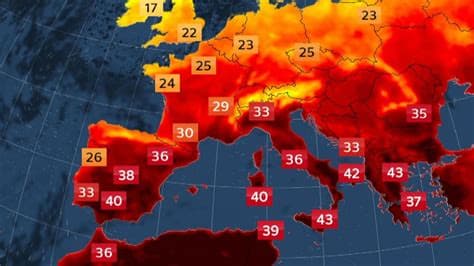
- Ongoing Heatwave:Authorities warn of another week of extreme heat due to high pressure and subtropical air.
Austria has officially recorded its hottest July temperature ever, reaching a staggering 40.3°C in Wieselburg. This new record surpasses the previous July high, marking a significant milestone in the country's climate history. The Austrian meteorological service has attributed this extreme heat to a persistent heatwave, which is the second of the season, affecting various regions across the country.
The impact of this heatwave is not just felt in terms of discomfort; it has also led to severe economic consequences. Researchers estimate that the combined damages from the two heatwaves this season could reach approximately EUR 1.4 billion. This figure encompasses losses in agriculture, increased energy demands, and health-related costs associated with the extreme temperatures.
Meteorologists have warned that the current heatwave is expected to persist for at least another week. The driving forces behind this prolonged period of high temperatures include hot subtropical air masses and a high-pressure system that has settled over the region. Such weather patterns have become increasingly common, raising concerns among scientists and policymakers alike.
Experts have linked the rise in extreme temperatures to human-caused climate change, emphasizing that these events are becoming more frequent and severe. The implications of such heatwaves extend beyond immediate discomfort; they pose significant risks of drought and wildfires, threatening both natural ecosystems and human livelihoods.
As the situation develops, authorities are urging residents to take precautions against the heat, including staying hydrated and avoiding outdoor activities during peak temperature hours. The government is also assessing the broader impacts of these heatwaves on public health and infrastructure, as the country grapples with the realities of a changing climate.
In conclusion, Austria's record-breaking July temperature serves as a stark reminder of the urgent need for climate action. As extreme weather events become more prevalent, the importance of addressing the underlying causes of climate change cannot be overstated. The economic and social ramifications of such heatwaves highlight the necessity for comprehensive strategies to mitigate their effects and adapt to a warming world.
Published by Banx Network. This article is part of the Banx decentralized media programme, powered by the BXE token on the XRP Ledger.



