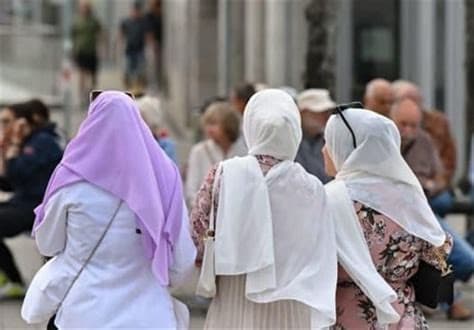
Austria has recently enacted a significant policy change with the introduction of a law that bans the wearing of headscarves in primary schools for children below the age of 14. The government claims that this measure is aimed at promoting secularism and ensuring a neutral educational environment for all students.
The law has elicited a range of responses from various community groups, with proponents arguing that it supports gender equality and prevents the imposition of religious symbols on young children. They believe that children should have the freedom to explore their identities without external influence.
Conversely, critics of the ban express concerns that it infringes upon personal freedoms and the rights of families to make decisions regarding their cultural and religious practices. Many argue that the law targets Muslim communities disproportionately, raising questions about tolerance and inclusivity in Austria.
Educational institutions are now tasked with implementing this law, which will affect numerous students across the country. The Ministry of Education has stated that they will provide guidelines and support to schools to navigate the new regulations while respecting the rights of all students.
The ban on headscarves in schools aligns with similar policies observed in other European nations, igniting ongoing discussions about the balance between secularism and religious expression in public spaces. As the implementation of this law unfolds, the debate surrounding it is expected to continue, with implications for multiculturalism and integration in Austrian society.
Published by Banx Network. This article is part of the Banx decentralized media programme, powered by the BXE token on the XRP Ledger.