
Key Highlights
- Austria recorded a new temperature high of 41.2°C.
- Slovakia reached 41.4°C, marking a significant increase.
- The heatwave has intensified drought conditions and wildfire risks.
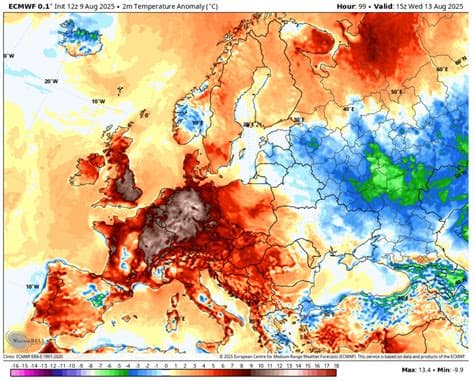
Austria and Slovakia have recently set new national temperature records as a severe heatwave continues to impact central Europe. In Austria, the temperature soared to 41.2°C in Bad Deutsch-Altenburg, surpassing the previous record set just a day earlier in Vienna. Meanwhile, Slovakia recorded an even higher temperature of 41.4°C in Kamenica nad Hronom, breaking an earlier June high. These unprecedented temperatures are part of a broader trend of extreme weather affecting the region.
The heatwave has been characterized by an extended period of hot, dry weather, which has led to significant precipitation shortfalls across both countries. This lack of rainfall has exacerbated existing drought conditions, raising concerns among agricultural experts and environmentalists. The combination of high temperatures and dry conditions has also increased the risk of wildfires, prompting warnings from local authorities.
Meteorologists attribute this extreme weather pattern to a combination of climate change and atmospheric conditions that have trapped heat over the region. As global temperatures continue to rise, such heatwaves are expected to become more frequent and severe, posing challenges for public health, agriculture, and water resources.
In response to the heatwave, both governments have issued advisories urging residents to stay hydrated and avoid outdoor activities during peak heat hours. Schools and community centers are being utilized as cooling centers for vulnerable populations, including the elderly and those with pre-existing health conditions.
The record-breaking temperatures in Austria and Slovakia serve as a stark reminder of the ongoing impacts of climate change. As the region grapples with these extreme weather events, discussions around climate resilience and adaptation strategies are becoming increasingly urgent. Policymakers are being called upon to implement measures that address the root causes of climate change while also preparing for the immediate challenges posed by such heatwaves.
As the situation develops, it will be crucial to monitor the long-term effects of this heatwave on agriculture, water supply, and public health in both Austria and Slovakia. The records set during this event may not only reflect immediate weather patterns but also signal a shift towards more extreme climate conditions in the future.
Published by Banx Network. This article is part of the Banx decentralized media programme, powered by the BXE token on the XRP Ledger.



