
Key Highlights
- Departure:A group of Australian families linked to ISIS has left Al-Roj Camp in Syria.
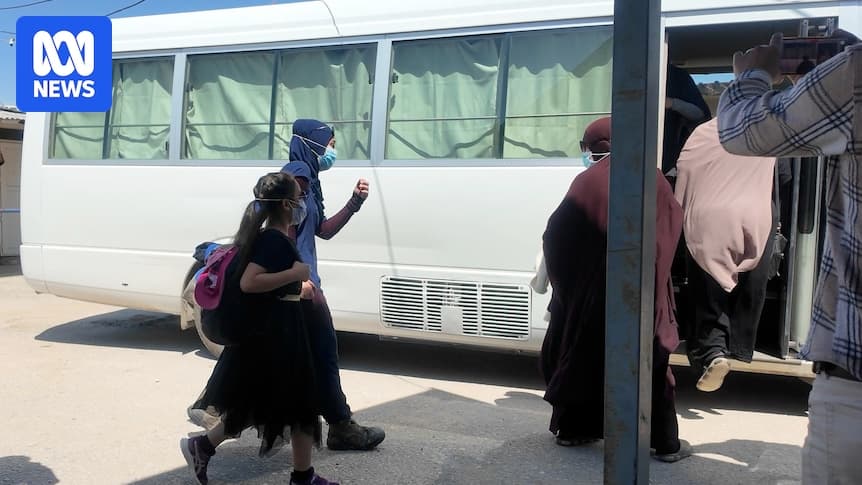
- Composition:The group includes four women and nine children and grandchildren.
- Political Context:The repatriation efforts have sparked significant political debate in Australia.
A group of Australian families linked to former ISIS fighters has departed the Al-Roj refugee camp in northern Syria, marking a renewed attempt to return to Australia. This move comes months after their previous journey was thwarted, reigniting discussions about their status and the complexities surrounding their potential repatriation.
The group, consisting of four women and nine children and grandchildren, was escorted by Syrian interior forces from Al-Roj to Damascus. The camp’s director, Hakmiyeh Ibrahim, confirmed that the operation was coordinated with the Syrian government, highlighting the logistical challenges involved in such a sensitive situation.
This latest effort follows intense scrutiny and political uproar in Australia. Prime Minister Anthony Albanese previously stated in February that he had "no sympathy" for the group, emphasizing that the government would not facilitate their exit from Syria. However, Home Affairs Minister Tony Burke acknowledged a legal obligation to provide passports to Australian citizens, complicating the narrative surrounding their return.
Authorities had previously issued travel documents to members of this group, which allowed for the possibility of travel. However, one woman among them received a Temporary Exclusion Order (TEO), preventing her from entering Australia for two years due to national security concerns. This legal framework adds another layer of complexity to the already fraught situation.
As tensions rise and power dynamics shift in Syria, particularly with changes in governmental control, the future for these women and their children remains uncertain. Many have claimed they were deceived into traveling to Syria, while others have adapted to life in the camps, where children have been born and raised under challenging conditions.
Kurdish authorities managing the region have urged countries, including Australia, to repatriate their citizens. They warn that prolonged detention in camps poses risks of further radicalization, especially for the younger population. This plea underscores the humanitarian implications of the situation, as well as the national security concerns that governments must navigate.
As developments unfold, authorities emphasize that returning individuals may face significant legal consequences if implicated in crimes related to their past affiliations. The full implications of this group's journey and potential return to Australia are still being assessed, reflecting broader questions of national security and humanitarian responsibility in the aftermath of prolonged conflict.
Published by Banx Network. This article is part of the Banx decentralized media programme, powered by the BXE token on the XRP Ledger.



