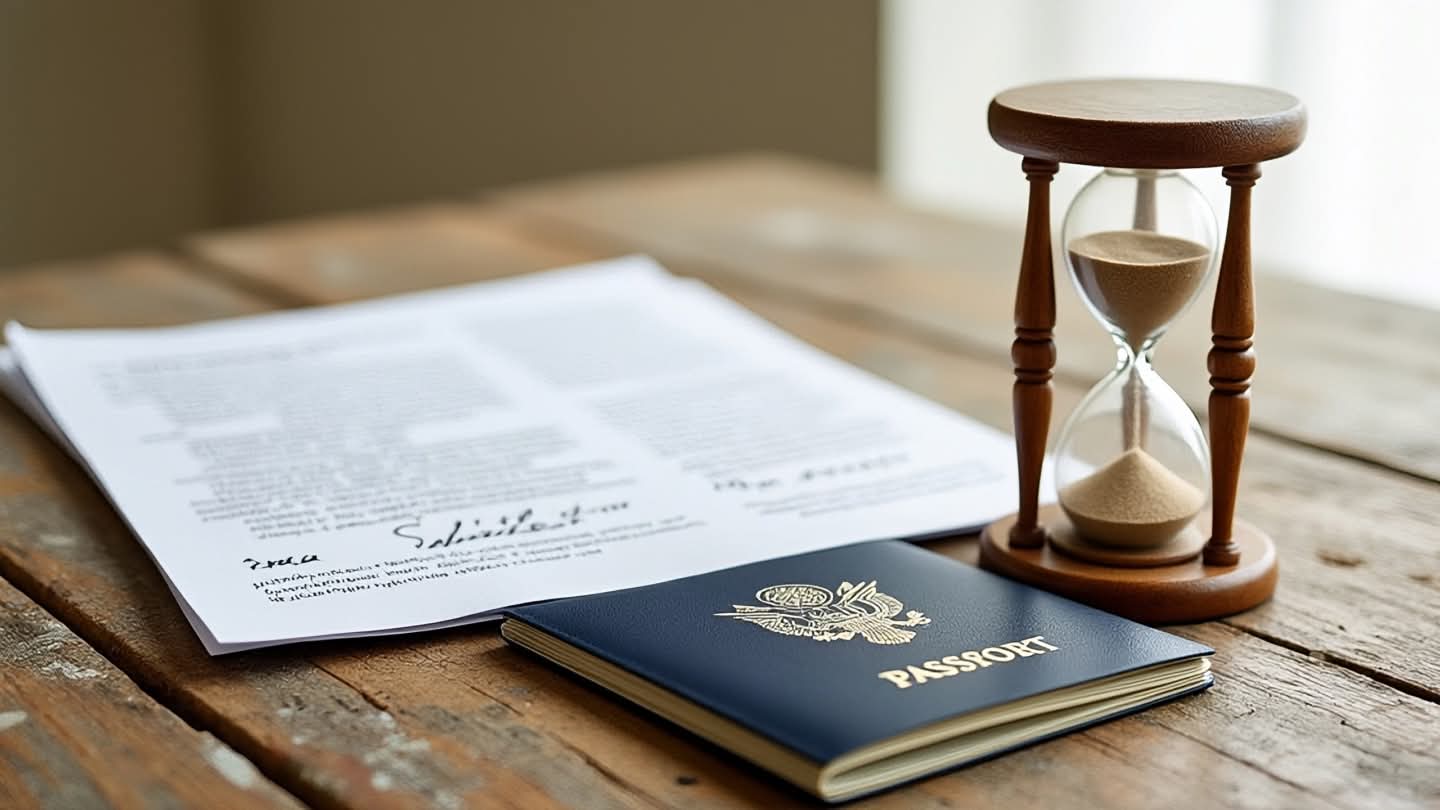
The allure of Australia for young travelers has long been defined by its open doors and vibrant working holiday culture. However, recent shifts in government policy suggest a tightening of this gateway. The federal government has quietly slowed the processing of working holiday visas, a move widely interpreted as part of a broader strategy to reduce net migration numbers. This deceleration has left many aspiring backpackers in limbo, waiting for approvals that once came swiftly.
Since July, applications from several countries have faced extended delays, with some caps effectively paused. The Department of Home Affairs has not explicitly labeled this as a ban, but the practical effect is a significant bottleneck in the system. For industries reliant on seasonal labor, such as hospitality and agriculture, this slowdown raises concerns about workforce availability during peak periods. The balance between migration control and economic need is becoming increasingly delicate.
Political reactions have been mixed. Opposition parties argue that the government is using administrative delays to achieve policy goals without parliamentary debate, lacking transparency. They contend that working holidaymakers contribute significantly to regional economies and cultural exchange, and that blunt cuts may do more harm than good. The debate highlights the tension between fiscal responsibility and the benefits of international mobility.
Government officials maintain that the measures are necessary to bring migration levels back to sustainable targets. After record-high net overseas migration in recent years, the aim is to stabilize population growth and ease pressure on housing and infrastructure. By targeting specific visa categories, policymakers hope to refine the composition of arrivals, prioritizing skilled migration over temporary labor flows.
For the applicants, the uncertainty is stressful. Many have made plans, booked flights, and arranged accommodations based on expected approval times. The delay disrupts these preparations, causing financial and emotional strain. Online forums are filled with stories of frustration, as travelers seek clarity and alternatives. The human cost of policy shifts is often overlooked in high-level debates.
Industry groups have called for clearer communication and a more nuanced approach. They argue that working holiday visas are not the primary driver of migration pressures and that penalizing this group may be ineffective. Instead, they suggest focusing on structural issues such as housing supply and productivity growth. The dialogue underscores the complexity of managing a globalized workforce.
As the situation unfolds, the government faces pressure to provide a timeline for resolution. Will the delays be temporary, or do they signal a permanent reduction in backpacker numbers? The answer will shape the future of Australia’s tourism and labor markets. For now, the waiting continues, a pause in the usual rhythm of international travel.
This episode serves as a reminder of the interconnectedness of global mobility and domestic policy. Changes in one area ripple through others, affecting lives and livelihoods in unexpected ways. As Australia navigates this transition, the challenge lies in finding a path that balances control with openness, ensuring that the country remains welcoming while managing its resources responsibly.
AI Image Disclaimer: Visuals in this article are AI-generated illustrations of travel documents and airport scenes, designed to reflect the theme of migration and bureaucracy without depicting real individuals.
Sources: Bloomberg, The Sydney Morning Herald, The Straits Times, SBS News
Published by Banx Network. This article is part of the Banx decentralized media programme, powered by the BXE token on the XRP Ledger.