Nations often measure their future not only through economic growth, but also through the horizons they choose to pursue. Scientific research and space exploration have long represented symbols of ambition, curiosity, and technological confidence. In Australia, however, the latest federal budget has prompted concern among researchers after funding for science and space-related programs reportedly declined significantly for 2026.
According to budget analyses and industry observers, several scientific initiatives connected to astronomy, aerospace development, and advanced research infrastructure are expected to receive reduced financial support. Universities and scientific institutions say the cuts could influence long-term projects already underway across the country.
Australia’s growing space sector had recently attracted increasing international attention. Partnerships involving satellite technology, space communications, and regional launch capabilities positioned the country as an emerging participant within the global aerospace industry. Researchers now worry that reduced funding could slow momentum built over recent years.
Astronomy programs are among the areas facing uncertainty. Australia hosts internationally important observatories and radio telescope facilities that contribute to global scientific collaboration. Experts note that maintaining such infrastructure requires stable investment, highly trained personnel, and long-term strategic planning extending beyond annual budget cycles.
Government representatives stated that broader economic considerations shaped the funding adjustments. Officials emphasized that selected innovation programs would remain active, particularly those connected to commercial technology and national strategic interests. Critics argue, however, that scientific ecosystems depend on broad foundational support rather than isolated projects alone.
Industry leaders warn that declining investment may affect private-sector confidence as well. Aerospace startups, research partnerships, and technology firms often rely on public funding signals when making long-term development decisions. Reduced government support can influence hiring, infrastructure expansion, and international collaboration opportunities.
Educational institutions have also expressed concern regarding future talent development. Universities say research funding plays a critical role in training engineers, physicists, and data scientists who contribute to emerging industries. Without stable support, some fear Australia may struggle to retain highly skilled scientific professionals.
Public interest in space science remains strong despite the budget controversy. Educational programs, observatory events, and astronomy outreach initiatives continue attracting large audiences across the country. Scientists argue that investment in space research frequently produces technological benefits extending beyond exploration itself, including advances in communications, healthcare, and environmental monitoring.
As Australia reassesses its scientific priorities within a changing economic environment, the debate surrounding the 2026 budget reflects broader questions about national ambition and long-term planning. Beyond immediate financial calculations, the discussion touches on how societies choose to invest in discovery, innovation, and the pursuit of knowledge beyond the visible horizon.
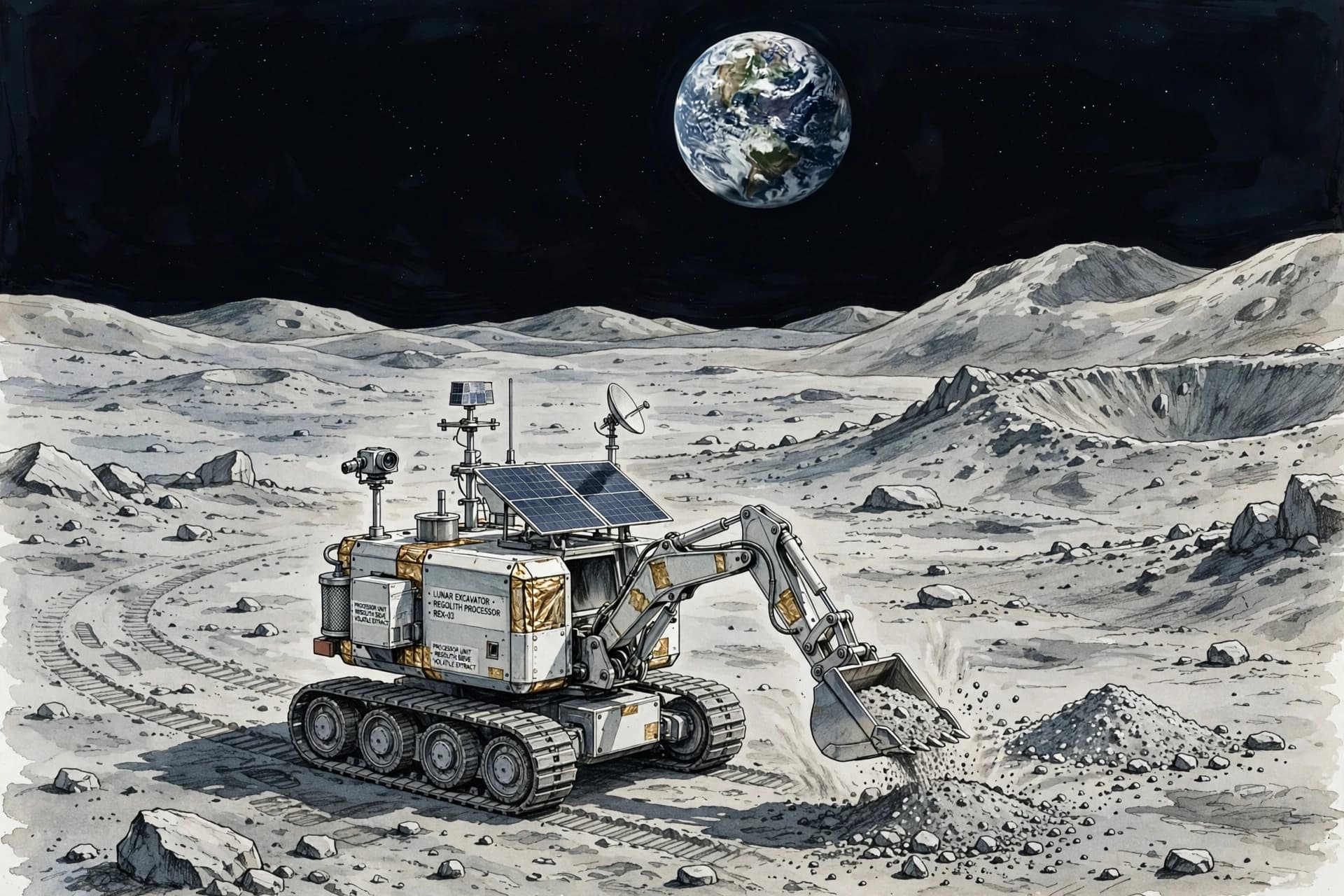
AI Image Disclaimer: Some visual materials in this report were created using AI-assisted imagery for educational and editorial presentation.
Sources: Daily Telegraph Australia, Reuters, Australian Space Agency
Published by Banx Network. This article is part of the Banx decentralized media programme, powered by the BXE token on the XRP Ledger.