
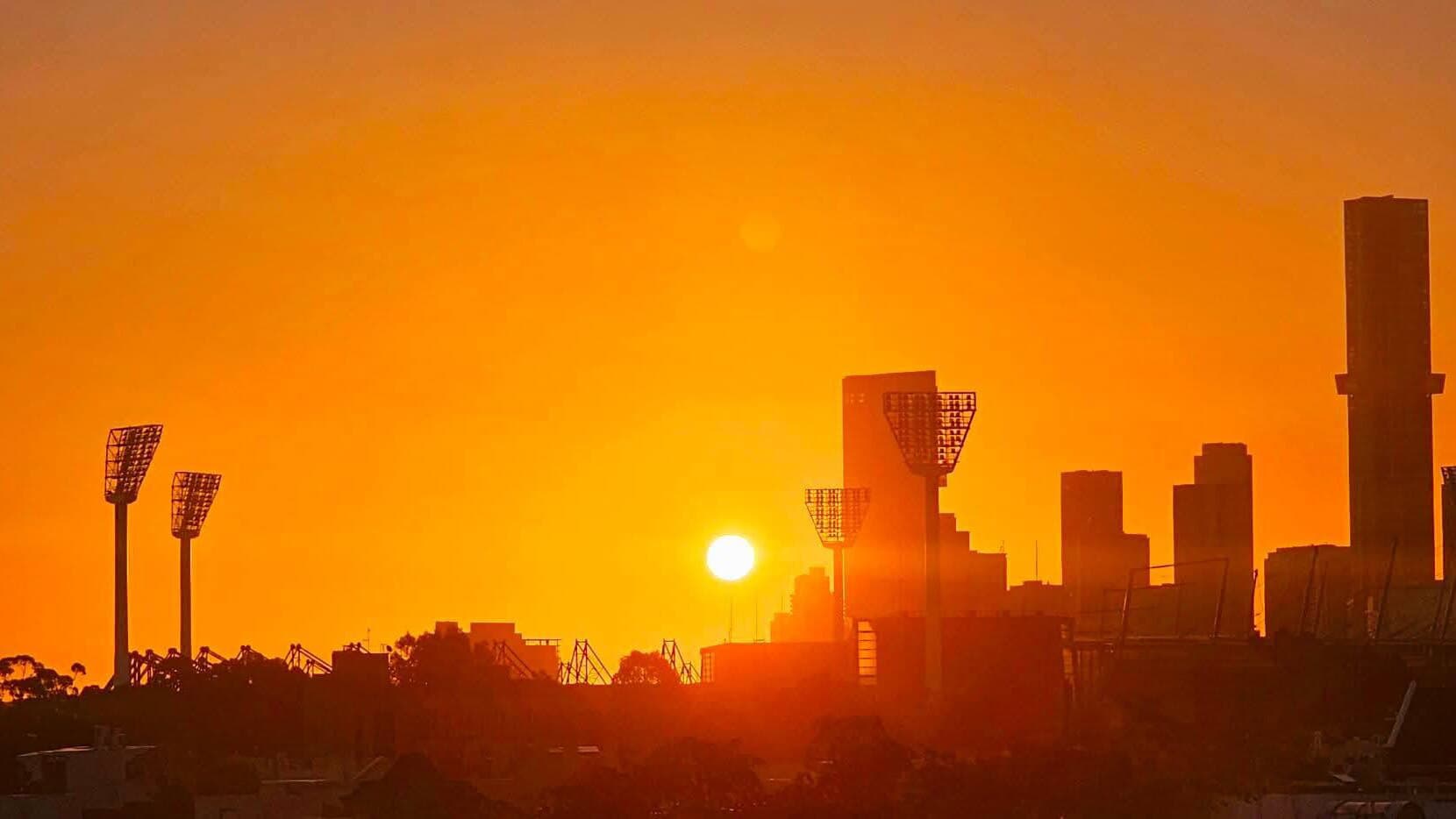
Key Highlights
- Record Temperatures:Rural towns in Victoria report 48.9°C, surpassing previous records.
- Extreme Heat Warnings:Authorities urge residents to take precautions amid fire risks.
- Impact on Events:The Australian Open adjusts schedules due to soaring temperatures.
Australia is grappling with a relentless heatwave that has already shattered temperature records. On January 27, 2026, rural towns in Victoria, including Walpeup and Hopetoun, reported record temperatures of 48.9°C, exceeding the state's previous extreme of 48.8°C set during the devastating Black Saturday bushfires in 2009.
The Bureau of Meteorology (BoM) has characterized this heatwave as "historic and record-breaking," as high temperatures continue across the southeastern regions of Australia. Some areas in western New South Wales and Queensland are predicted to approach 50°C in the coming days, marking not just January records but potentially all-time local records.
The intense heat is the product of high-pressure systems sitting over central Australia, combined with diminished monsoonal activity. This stagnant heat dome has resulted in a temperature anomaly of nearly 20°C above average for the time of year. The combination of these meteorological factors has created a situation where extreme heat is not just a temporary spike but a prolonged event that poses serious risks to health and safety.
As the heatwave persists, communities are facing significant dangers, including fire risks. Authorities have issued extreme heat warnings, urging residents to take precautions, particularly as bushfires continue across several states. Over 11,000 properties in Victoria experienced power outages attributed to the strain on the electrical grid due to excessive heat. The combination of high temperatures and dry conditions has created a perfect storm for fire outbreaks, prompting emergency services to remain on high alert.
In response to the extreme conditions, events like the Australian Open in Melbourne have been affected, with organizers implementing emergency protocols to safeguard players and fans amidst soaring temperatures. Outdoor matches were postponed as temperatures reached unbearable levels, showcasing the wide-reaching impacts of this unprecedented heatwave. The decision to alter event schedules reflects the seriousness of the situation, as organizers prioritize safety over competition.
As the week progresses, temperatures are set to linger above 40°C for several consecutive days, with forecasts suggesting some regions may experience up to eight straight days of extreme heat. Relief is anticipated over the weekend with a cold front expected to sweep through coastal areas, though inland regions may continue to see elevated temperatures for some time. This prolonged heatwave not only disrupts daily life but also raises concerns about the long-term implications of climate change on weather patterns in Australia.
Given the increasing frequency and intensity of such heatwaves linked to climate change, this event serves as a stark reminder of the growing challenges posed by extreme weather conditions across Australia. The current situation underscores the urgent need for comprehensive strategies to address climate resilience and public safety in the face of rising temperatures.
Published by Banx Network. This article is part of the Banx decentralized media programme, powered by the BXE token on the XRP Ledger.



