Key Highlights
- Auckland's housing intensification plans are under scrutiny.
- Minister Chris Bishop advocates for a balanced approach to growth.
- Public submissions are being reviewed by an independent panel.
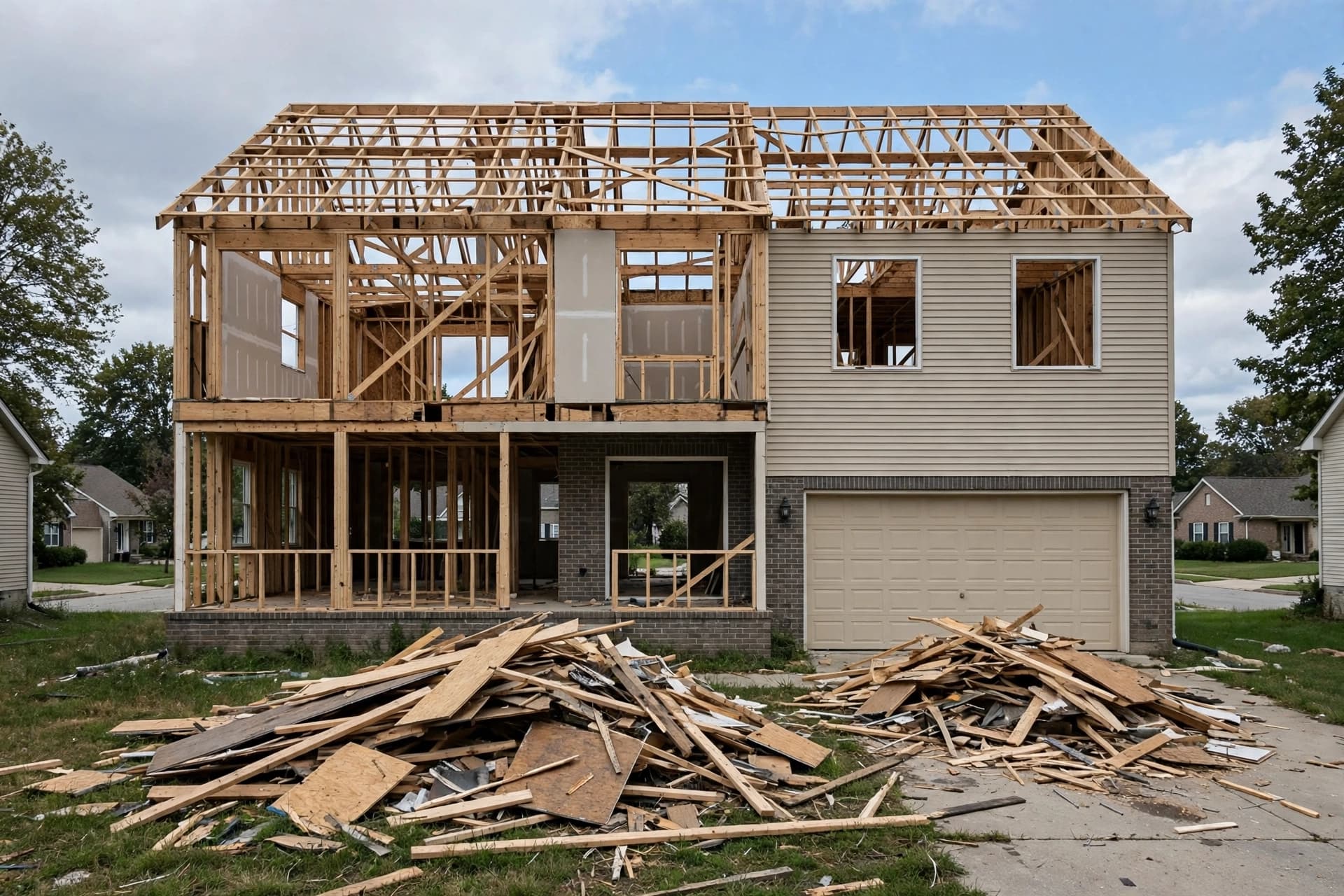
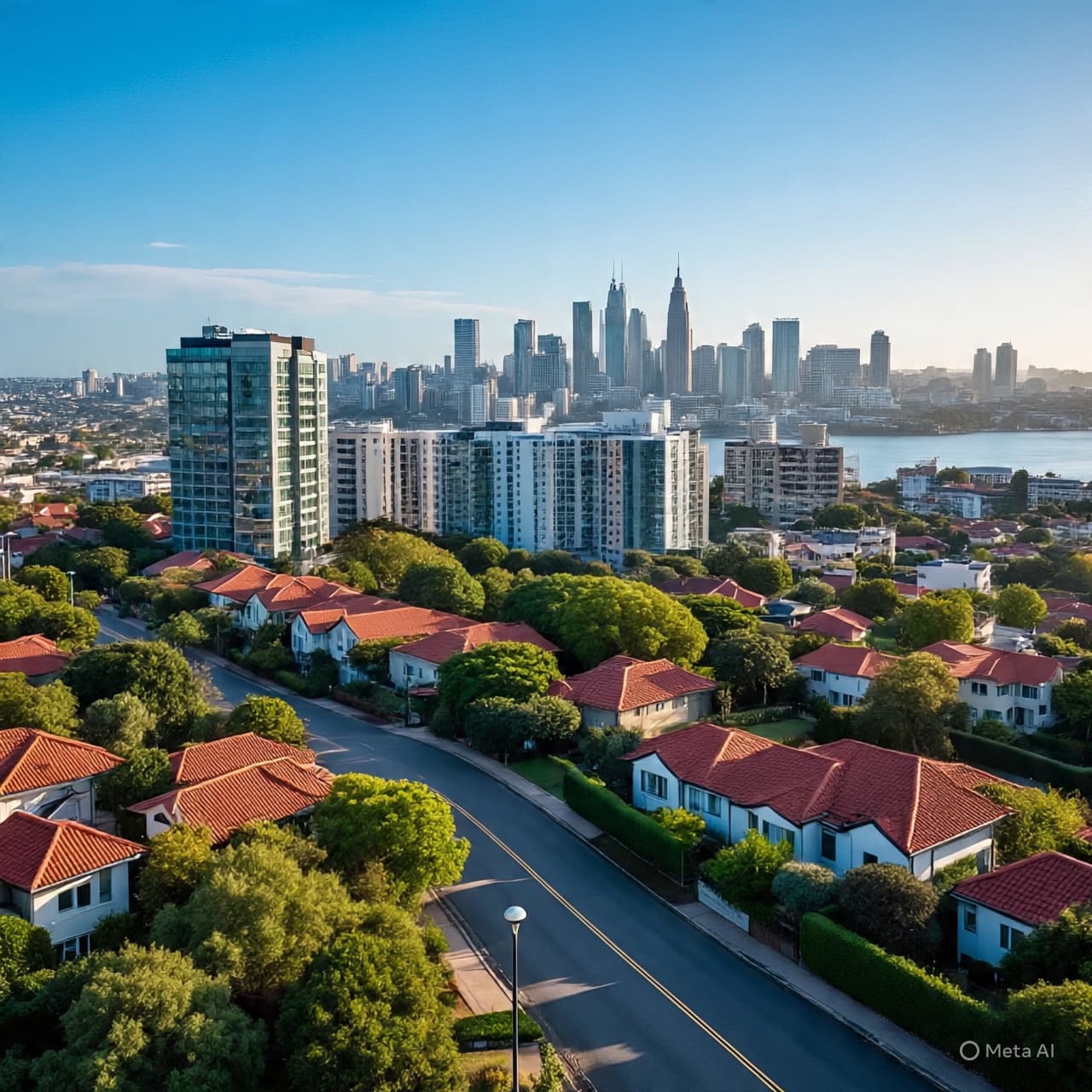
Auckland stands at a pivotal moment, navigating the delicate balance between its rich history and the pressing demands of modern urban development. The city is currently grappling with its housing intensification plans, which have sparked significant debate among residents, policymakers, and urban planners. Recently, Housing Minister Chris Bishop emphasized the need for a "pragmatic and sensible" approach as the government considers adjustments to its strategies for Auckland's future growth.
The proposed housing intensification, particularly under Plan Change 120, aims to create capacity for up to two million homes over the coming decades. This initiative seeks to relax certain restrictions and promote development, especially in areas surrounding public transport hubs and metropolitan centers. However, the scale and location of these changes have drawn criticism from various stakeholders, raising concerns about the impact on established suburban neighborhoods.
Minister Bishop acknowledged the contentious nature of the discussions, particularly regarding mid-suburban zones. While there is a general consensus on concentrating growth near central business districts and transport infrastructure, the specifics of how much change should occur in residential areas remain hotly debated. Bishop indicated that the government is working on "some tweaks and finessing" to ensure the plan is acceptable to the majority, with decisions expected in the coming month.
The backdrop of these discussions includes broader planning revisions, as Auckland Council previously withdrew its earlier Plan Change 78, which proposed broad medium-density residential standards. The current focus aims to address not only housing needs but also natural hazard risks, such as flooding, which are critical to sustainable urban planning.
Public engagement has been a vital aspect of this process, with submissions on the proposed plan already underway. An independent expert panel is set to review these submissions, allowing Aucklanders to voice their perspectives on the future of their city. This democratic engagement highlights the importance of community input in shaping urban policy and ensuring that growth aligns with local values and needs.
As the government and local stakeholders navigate this complex landscape, the overarching goal remains to support housing growth while considering essential factors such as infrastructure, community character, and cohesion. Minister Bishop's call for a "sensible solution" reflects a willingness to refine the proposals, aiming to strike a balance between intensification and community expectations.
Looking ahead, the decisions made in the coming weeks will be crucial in determining how Auckland's skyline and streetscapes evolve. The ongoing dialogue among officials, residents, and experts will be key to ensuring that the city's development is both practical and reflective of the community's aspirations. As New Zealand's largest city continues to grow, maintaining this balance will be essential for fostering a vibrant and inclusive urban environment.
Published by Banx Network. This article is part of the Banx decentralized media programme, powered by the BXE token on the XRP Ledger.