
Key Highlights
- Recent Vote:Palm Beach County commissioners approved the renaming of the airport in a narrow 4-3 decision.
- Licensing Agreement:Trump’s company gains significant control over branding and marketing materials.
- Public Reaction:The decision has sparked divided opinions among residents and officials.
The recent approval by Palm Beach County commissioners to rename Palm Beach International Airport to "Donald J. Trump International Airport" has ignited a heated debate regarding the implications of a trademark and licensing agreement associated with the renaming. The decision, which passed narrowly in a 4-3 vote, grants Trump’s company, DTTM Operations LLC, substantial control over how his name and likeness are utilized in connection with airport branding.
Under the terms of the licensing arrangement, Trump retains the right to approve marketing materials, including any biographical information presented at the airport. This unique stipulation has raised eyebrows; unlike previous airport naming agreements, which typically lack such personalized control, Trump’s deal appears to set a new precedent. Legal experts are questioning the appropriateness of such arrangements in public facilities, suggesting that it may blur the lines between public service and private profit.
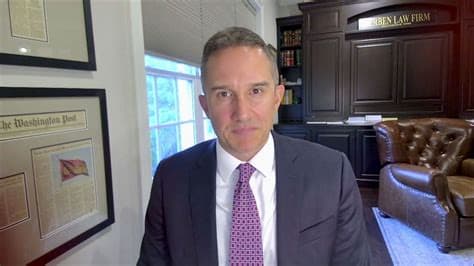
Despite assertions from Trump's organization that they will not profit from sales tied directly to the airport, the agreement does not prohibit profits from merchandise sold offsite. This non-exclusive arrangement allows for the possibility of Trump-affiliated vendors capitalizing on the renaming by selling branded goods outside of the airport's premises, potentially creating a lucrative revenue stream for Trump's businesses. Tom Hutton, an attorney specializing in branding, commented, "What we’re seeing is far from normal for public facilities. This agreement raises essential questions about the appropriation of public assets for private profit."
The deal also compels airport retailers to source branded merchandise exclusively from vendors selected by Trump’s company, further entrenching the former president's influence in public spaces. Critics of the agreement argue that it serves to elevate Trump’s brand at the expense of local interests and legacy. Conversely, supporters describe the renaming as a fitting tribute, reflecting Trump's deep ties to the Palm Beach area.
Concerns about the lack of a termination clause within the agreement loom large. If state law changes and the airport’s name must be reevaluated, the county could remain bound to this contract indefinitely—a situation that some commissioners found untenable. The potential for long-term implications raises alarms about the governance of public assets and the influence of private entities.
As preparations for the official name change continue, anticipated costs—including signage updates and coordination with federal agencies—are estimated to reach around $5.5 million. The funds allocated for this transition are yet to be finalized, further complicating an already contentious situation. With the renaming set to take effect on July 1, the dialogue over Trump's influence and potential profits raises critical questions about the intersections of public service and private enterprise in contemporary American governance.
The implications of this deal may resonate beyond Palm Beach, setting a provocative example for other public institutions contemplating similar endeavors. As the community grapples with the ramifications of this decision, the broader conversation about the role of branding in public spaces continues to evolve.
Published by Banx Network. This article is part of the Banx decentralized media programme, powered by the BXE token on the XRP Ledger.



