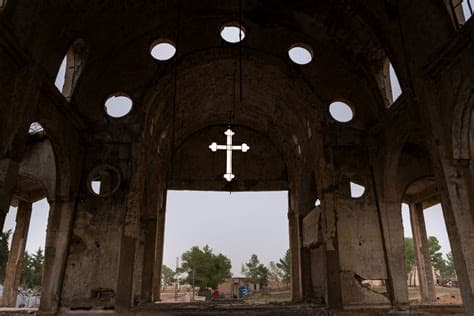
The latest violence targeting Christian communities in Syria has intensified fears and distrust regarding the Sharaa regime, exacerbating existing sectarian divides and complicating the sociopolitical landscape. Reports indicate that these attacks not only threaten the safety and security of Christians but also raise critical questions about the government's role in protecting its citizens.
Witnesses and community leaders have expressed concerns that the regime is failing to provide adequate protection, contributing to a growing sense of vulnerability among Christians. This atmosphere of insecurity has led to widespread fears that the government may be complicit or indifferent to the violence, further eroding trust in its authority.
The attacks come amid ongoing civil unrest and a complicated war that has already left numerous communities feeling marginalized. The Christian population, which traditionally played a stabilizing role in the country's diverse society, now finds itself caught in the crosshairs, fostering a climate of distrust toward the ruling regime.
Analysts suggest that the repercussions of these attacks extend beyond immediate safety concerns, as the unrest could stoke greater sectarian tensions and drive communities further apart. This could lead to increased calls for autonomy or protection from international organizations, complicating an already fragile situation.
As the international community watches these developments, there is a pressing need for dialogue and action to address the rising insecurity faced by minority populations in Syria. The protection of all citizens, regardless of religious affiliation, remains crucial for fostering stability and peace in the region.
Published by Banx Network. This article is part of the Banx decentralized media programme, powered by the BXE token on the XRP Ledger.