

Key Highlights
- Ongoing tensions in the Strait of Hormuz are impacting global oil markets.
- German Chancellor Friedrich Merz emphasizes NATO's non-involvement in the conflict with Iran.
- European nations prefer diplomatic solutions over military engagement despite U.S. pressure.
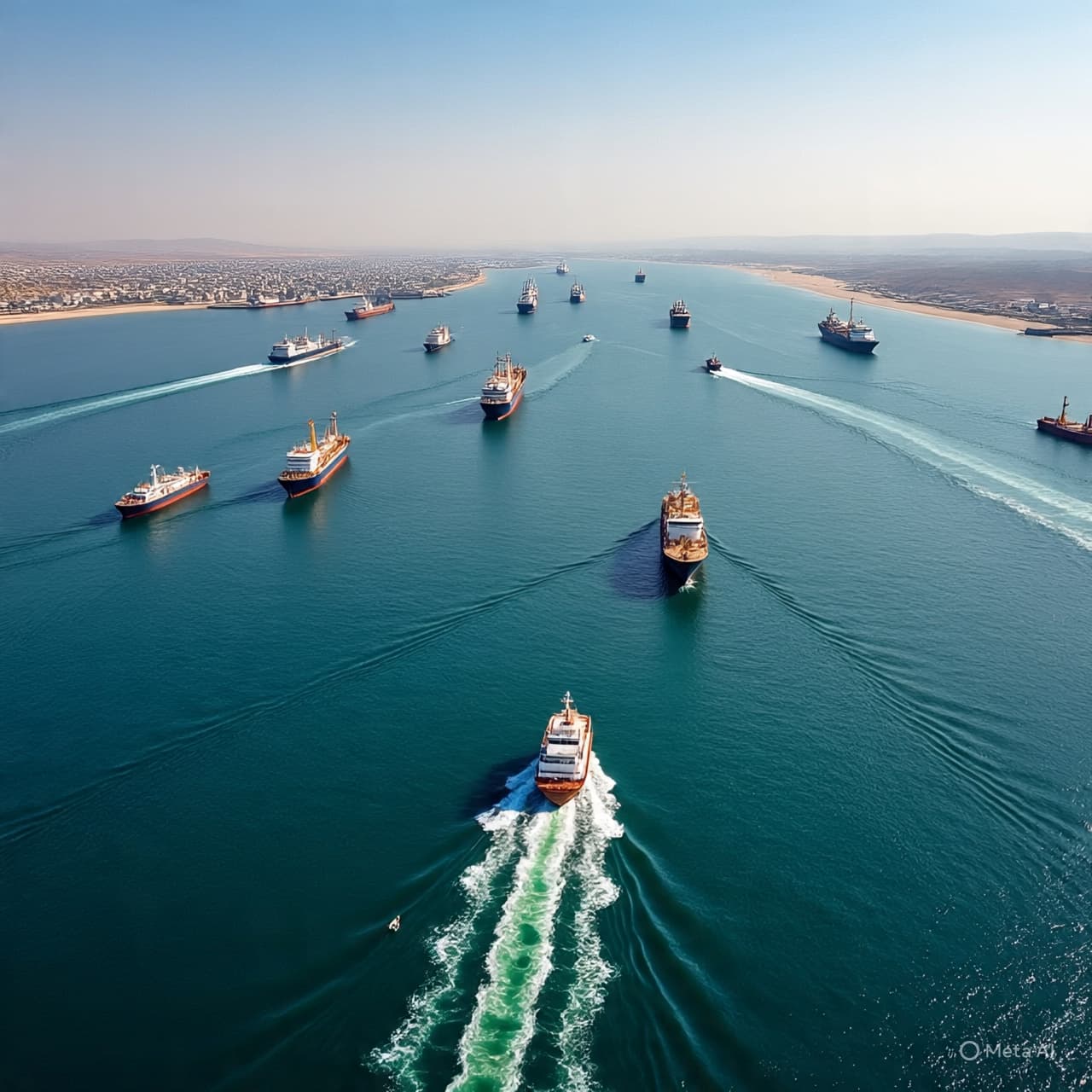
The Strait of Hormuz, a narrow waterway critical for global oil transportation, has become a focal point of international tension following recent military actions involving the United States and Israel against Iran. This strategic passage, where approximately 20% of the world's oil supply flows, is now under scrutiny as nations grapple with the implications of potential conflict and the need for diplomatic resolution.
In a recent statement, German Chancellor Friedrich Merz articulated a cautious stance regarding military involvement in the region. He emphasized that Germany would not engage in what he termed a war it did not initiate, reinforcing the constitutional limits on military action. His remarks reflect a broader sentiment among European leaders who advocate for a measured approach to international conflicts, prioritizing legal frameworks and diplomatic channels over impulsive military responses.
U.S. President Donald Trump has called for NATO allies to bolster security in the Strait, highlighting its significance to global oil flows. He warned that the future cohesion of the alliance could be jeopardized if member states do not support efforts to secure this vital maritime route. Trump's appeals underscore the interconnectedness of global economies and the shared responsibilities that come with it, yet they also reveal the complexities of international relations where differing perspectives can lead to friction.
European capitals, including London, Rome, and Paris, have responded to these calls with a mix of concern and caution. While acknowledging the serious implications of disruptions in the Strait, many leaders advocate for a diplomatic resolution rather than an escalation of military presence. This preference for negotiation over confrontation reflects a desire for stability and a recognition of the potential economic fallout from military engagement.
The discussions surrounding the Strait of Hormuz serve as a reminder of the delicate balance between military readiness and diplomatic dialogue. As nations navigate these turbulent waters, the decisions made will have far-reaching consequences, not only for regional stability but also for global energy markets and international relations.
In summary, the ongoing conflict with Iran has prompted significant debate among NATO allies regarding military involvement in the Strait of Hormuz. While the U.S. pushes for a more aggressive stance, European nations are advocating for diplomacy as the preferred path forward, highlighting the complexities of modern geopolitical dynamics.
Published by Banx Network. This article is part of the Banx decentralized media programme, powered by the BXE token on the XRP Ledger.




