
Key Highlights
- Strategic Importance:The Strait of Hormuz is a vital passage for global oil exports.
- Rising Tensions:Iranian officials warn of reconsidering access amid regional disputes.
- Market Reactions:Oil prices show increased volatility due to uncertainty surrounding the waterway.
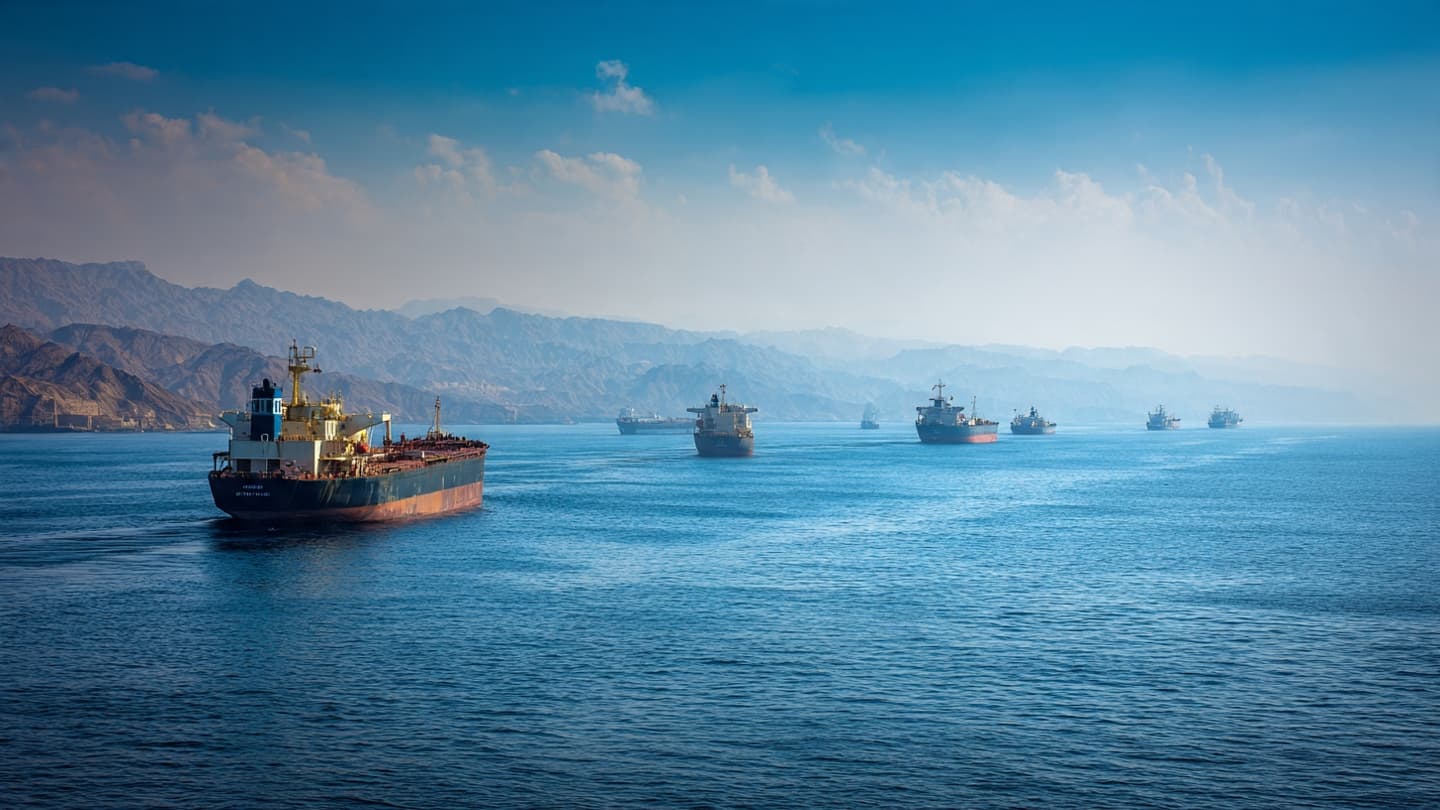
The Strait of Hormuz, a narrow yet crucial maritime corridor between Iran and Oman, plays a pivotal role in the global energy landscape. It is responsible for a significant portion of the world's seaborne oil exports, making it a focal point for international trade and energy security. Recent political tensions in the region have once again thrust this strategic passage into the spotlight, raising concerns about its future accessibility and the potential implications for global energy markets.
In recent statements, Iranian officials have indicated that the country may reconsider its stance on access through the Strait of Hormuz. These remarks come in the wake of escalating regional tensions, including disputes over security developments and allegations of ceasefire violations in the broader Middle East. Such statements are often laden with both strategic and diplomatic significance, reflecting the delicate balance of power in the region.
The implications of any disruption to shipping activities in the Strait of Hormuz are profound. Analysts have noted that even the mere suggestion of potential access issues can lead to immediate fluctuations in oil prices. Energy markets have reacted cautiously, with traders closely monitoring developments and assessing the risks associated with this vital waterway. While no closure has been enacted, the uncertainty alone has been enough to influence market sentiment, leading to increased volatility in oil prices.
International governments have responded by urging restraint and emphasizing the critical importance of maintaining freedom of navigation in the Strait of Hormuz. The United States, alongside several European nations, has reiterated that uninterrupted maritime traffic is essential for global economic stability. This collective stance underscores the geopolitical significance of the waterway and the potential ramifications of any disruptions.
Shipping companies and insurers are also on high alert, closely tracking the evolving situation. Historical precedents indicate that periods of heightened tension in the Gulf region often lead to increased security measures, higher insurance premiums, and adjustments to shipping routes. The potential for increased operational costs and logistical challenges adds another layer of complexity for businesses reliant on this critical maritime corridor.
Despite the current tensions, there remains a glimmer of hope for diplomatic engagement among regional and global actors. Many governments are actively pursuing dialogue in an effort to prevent further escalation and preserve stability in the Strait of Hormuz. The ongoing discussions reflect a recognition of the waterway's importance and the shared interest in maintaining a secure and open passage for international trade.
As the situation continues to unfold, the global community will be watching closely. The Strait of Hormuz remains a linchpin in the world’s energy supply chain, and any developments here will undoubtedly reverberate across markets and economies worldwide. The interplay of diplomacy, security, and economic interests will shape the future of this vital maritime corridor, making it a focal point for ongoing geopolitical analysis.
Published by Banx Network. This article is part of the Banx decentralized media programme, powered by the BXE token on the XRP Ledger.



