There are moments in international life when seemingly distant conversations cast long, quiet shadows — drifting across capitals, port cities, and desert plains, and tugging at the edges of both hope and caution. In the present chapter of U.S.–Iran relations, such a moment unfolds like a tale of two paths: one traced by the promise of diplomacy and the other by the spectre of limited force, each shaping a narrative that resonates far beyond the negotiating table.
In recent weeks, Washington and Tehran have engaged in indirect negotiations over Iran’s nuclear programme, with talks in Geneva yielding what Iranian Foreign Minister Abbas Araghchi describes as shared “guiding principles” and the expectation that a draft deal could be ready within days. For Tehran, this is a step toward easing sanctions and addressing long‑standing economic strain through diplomatic channels — a possible beginning to deeper discussions about confidence‑building measures and how to ensure peaceful nuclear activities are maintained. ([turn0search19][turn0search24][turn0search28])
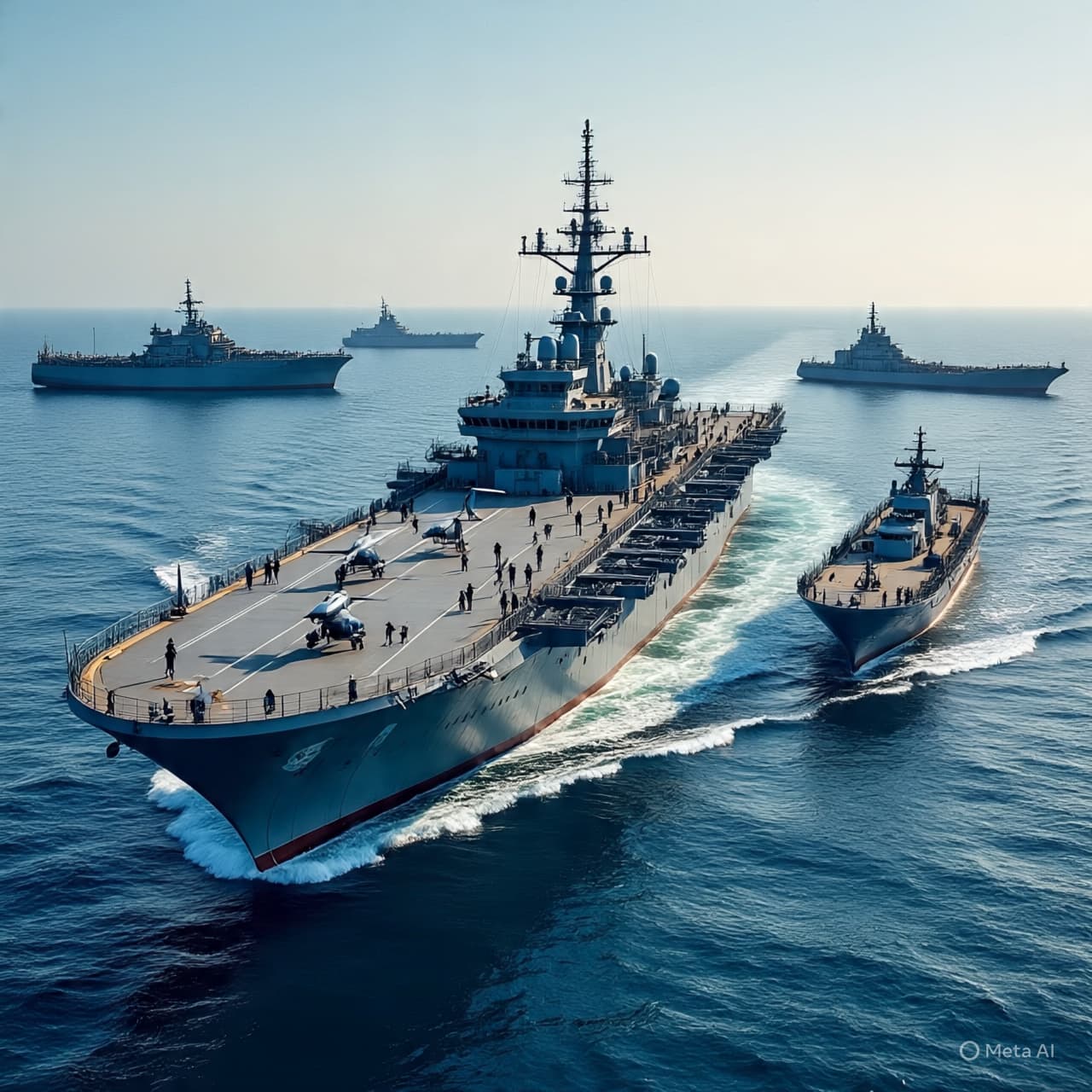
Yet against this backdrop of tentative progress, President Donald Trump has publicly signalled that he is “considering” limited military strikes on Iran, should talks falter or prove insufficient in curbing Tehran’s nuclear ambitions. Speaking to reporters at the White House, Mr. Trump said that while talks were ongoing, he could not rule out military action. Such statements follow a substantial U.S. naval build‑up in the Middle East, designed both to deliver potential force and to serve as a strategic lever in negotiations. ([turn0search19][turn0search24])
The duality of these developments — a looming draft proposal on one hand and potential military pressure on the other — reflects the broader tensions that have animated U.S.–Iran relations for years. Mr. Trump, who set firm deadlines tied to negotiation outcomes, told officials in press engagements that “bad things” could follow absent a satisfactory deal, extending previous timelines and underscoring the urgency he perceives in this diplomatic window. ([turn0search19][turn0search24])
For Iranian negotiators, the prospect of a counterproposal arriving “in the next two or three days” is a sign that agreement might yet be found, though they stress that reaching a fully worked‑out text requires more detailed deliberation. The government in Tehran maintains that its enrichment activities are peaceful and that any final agreement must reflect such assurances, even as both sides navigate the broader implications of sanctions relief and international supervision. ([turn0search22][turn0search28])
Observers note that this moment — defined by both political pressure and diplomatic opportunity — illustrates the fragile interplay between deterrence and dialogue. Military planning, which sources say includes various contingencies for limited strikes, remains at a high level of readiness. Yet any action of that kind would carry substantial risks, potentially complicating diplomatic momentum and prompting broader regional reactions. ([turn0search24][turn0search28])
In quieter rooms, diplomats and advisers continue their work, aware that the near future may offer either a tentative agreement or a renewed escalation. For now, voices on both sides emphasise negotiation even as they prepare for outcomes that hinge on the next few days of talks. It is a dance of careful steps, and each side — from Geneva’s meeting tables to Washington’s press lines — remains poised between patience and possibility.
AI Image Disclaimer Illustrations were produced with AI and serve as conceptual depictions.
Sources Reuters, Associated Press, South China Morning Post, Al24News.
Published by Banx Network. This article is part of the Banx decentralized media programme, powered by the BXE token on the XRP Ledger.