
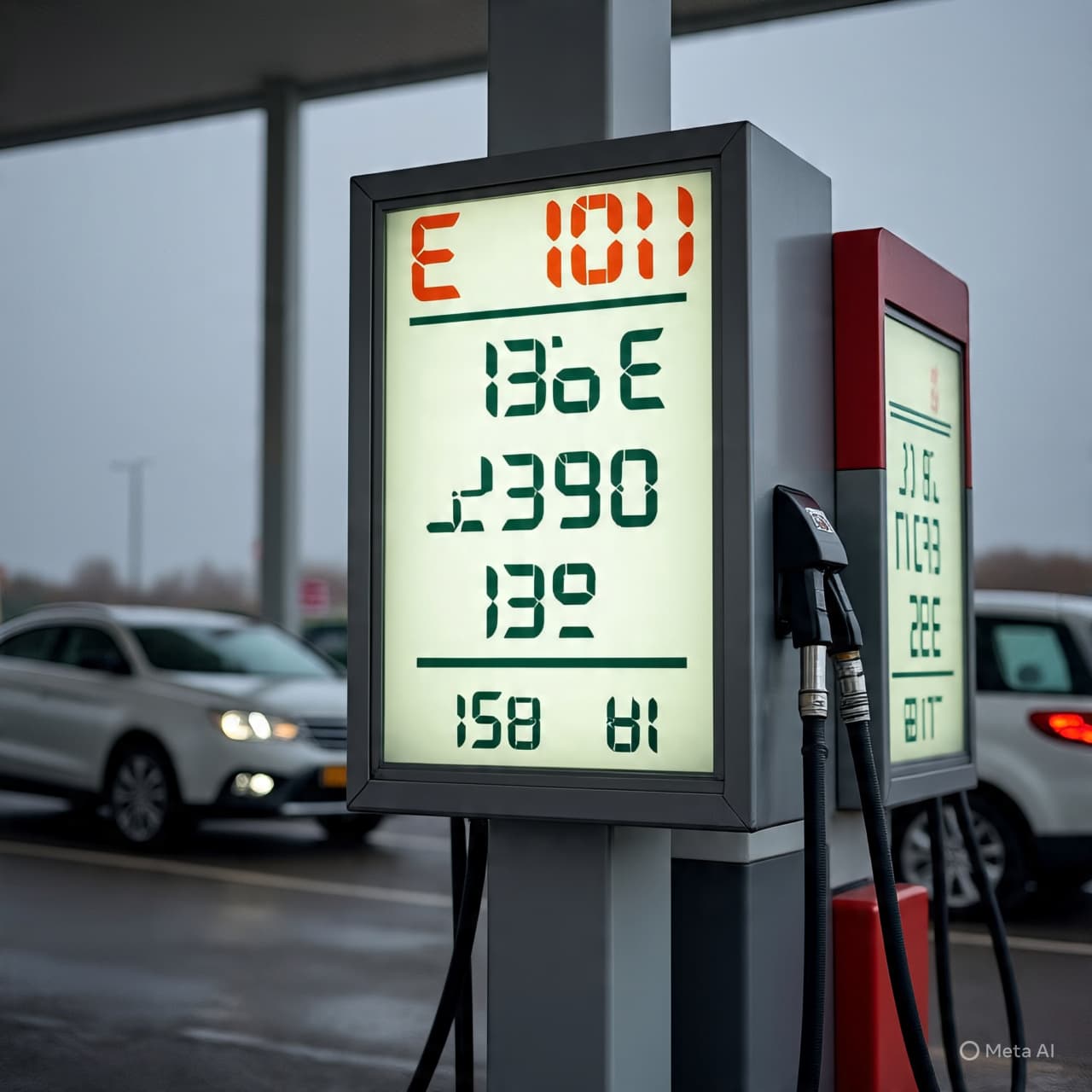
There is a moment, often brief, when the numbers on a petrol station sign seem to linger longer than usual. Drivers glance twice, perhaps unconsciously, before turning back to the road. It is not a dramatic pause, but a quiet recalibration—an awareness that something familiar is becoming just a little more difficult to carry forward unchanged.
Across New Zealand, that moment has begun to stretch.
As petrol prices climb past the $3 mark per litre, the effect is being felt not only in wallets, but in behavior. The shift is subtle at first, unfolding not in showrooms, but in search bars. On Trade Me, one of the country’s largest online marketplaces, interest in electric vehicles has surged sharply in recent weeks.
Data from the platform shows a 142% increase in searches for electric vehicles in the first half of March compared with the same period in February, rising from around 50,000 searches to approximately 125,000.
The movement does not suggest an immediate transformation of the market, but rather a return of attention—an early signal that rising fuel costs are prompting drivers to reconsider what once felt like a distant alternative. For many, the question is not yet “when to buy,” but “whether it might now make sense.”
This renewed curiosity arrives after a period of cooling interest. Following the end of government incentives for cleaner vehicles in late 2023, demand had softened, and searches declined through much of 2024. What is visible now is not simply growth, but a reversal—driven less by policy and more by price pressure at the pump.
Certain models appear more often in this renewed attention. Vehicles such as the Nissan Leaf and Hyundai Kona are among the most frequently searched, reflecting a mix of affordability and familiarity within the electric market. At the same time, interest spans a wide range—from entry-level used vehicles priced only a few thousand dollars, to older premium models like the Tesla Model S, which continue to draw strong attention online.
Beyond the numbers, there is a broader pattern emerging—one that has appeared before in moments of global disruption. As geopolitical tensions push oil prices higher and fuel costs rise, consumers begin to reassess not only immediate expenses, but longer-term choices. The cost of running a vehicle, once absorbed as routine, becomes more visible, more immediate.
Dealers across the country have observed a similar shift. Inquiries about electric vehicles have risen quickly, in some cases doubling within days, as drivers look for ways to insulate themselves from volatile fuel prices.
Yet the transition remains gradual. Interest does not always translate directly into purchases. Electric vehicles still involve considerations—price, charging infrastructure, range—that unfold over time. For many households, the decision is measured, shaped by research and comparison rather than impulse.
Still, the direction of attention carries its own meaning. Search behavior, quiet and uncommitted, often precedes broader change. It reflects not what people have done, but what they are beginning to consider.
In that sense, the rise in EV searches becomes less about technology and more about adaptation. A response, however tentative, to a world in which the cost of movement itself is shifting.
Trade Me reported on March 17, 2026, that searches for electric vehicles rose 142% in early March as petrol prices exceeded $3 per litre, signaling renewed consumer interest driven by rising fuel costs.
AI Image Disclaimer
These images are AI-generated and serve as visual interpretations rather than real scenes.
Sources
Radio New Zealand Autotalk 1News Business Insider The Guardian
Published by Banx Network. This article is part of the Banx decentralized media programme, powered by the BXE token on the XRP Ledger.



