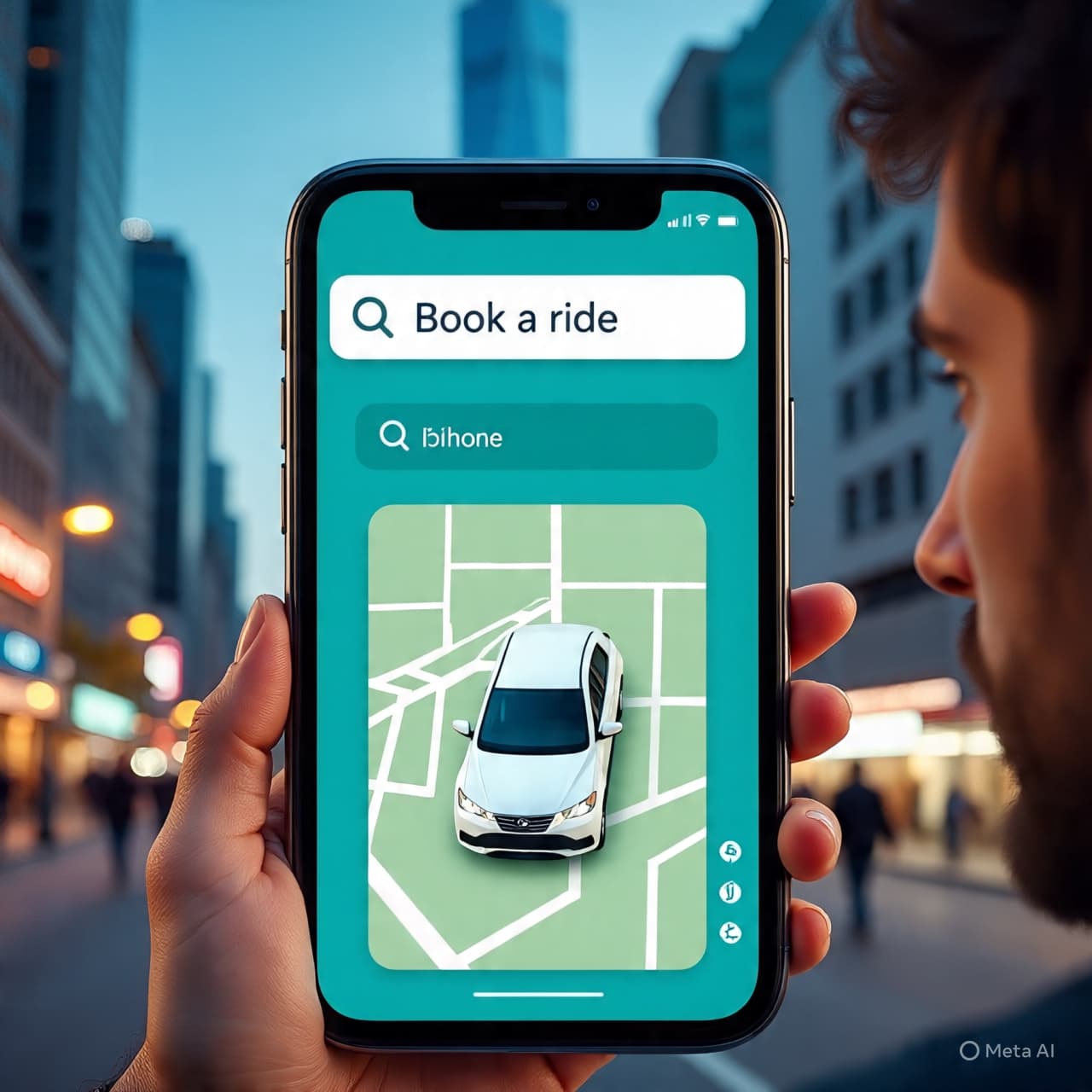
At certain intersections, the future does not arrive with fanfare. It pauses at a red light, signals politely, and turns the corner without a driver at the wheel. In recent years, autonomous vehicles have moved from laboratory promise to cautious presence on city streets. Now, that quiet progression takes another step forward as Waymo prepares to offer robotaxi rides in four additional U.S. cities.
The expansion reflects Waymo’s steady approach to scaling its autonomous ride-hailing service. Already operating commercial driverless services in select markets, the company has been gradually widening its footprint, refining mapping systems, safety protocols, and fleet logistics along the way. The addition of four more cities signals growing confidence in both the technology and the regulatory pathways that allow it to function.
While specific rollout timelines and operational scopes vary by location, the broader strategy appears consistent: begin with limited, controlled deployments, gather performance data, and expand access incrementally. In previous launches, Waymo has often started with invited riders before opening service to the general public through its app. The pattern suggests a measured philosophy — expansion not as spectacle, but as calibration.
The robotaxi model sits at the intersection of technological ambition and urban practicality. Proponents argue that autonomous vehicles could reduce traffic accidents, improve accessibility, and reshape transportation economics. Critics and safety advocates, meanwhile, continue to scrutinize edge cases, system reliability, and the complexity of navigating unpredictable city environments.
Waymo’s growth comes amid intensifying competition in the autonomous vehicle sector. Other companies are testing or piloting driverless services, though regulatory landscapes differ significantly by state and municipality. Each city represents a unique ecosystem of traffic patterns, weather conditions, and public sentiment — variables that can influence both adoption and perception.
For residents of the newly added cities, the arrival of robotaxis may feel subtle at first: a white vehicle gliding through traffic, sensors mounted discreetly atop its frame. Yet beneath that understated exterior lies a network of cameras, radar, lidar, and machine learning systems processing vast streams of data in real time. The expansion is as much about software refinement as it is about geographic reach.
Financial markets and transportation analysts often view these milestones as markers of industry maturity. Wider deployment can signal confidence from regulators and internal validation from safety testing. Still, the economics of autonomous ride-hailing — including fleet maintenance, insurance frameworks, and rider pricing — remain evolving questions.
Waymo has indicated that further details about service availability and rider access will be shared as launch dates approach. For now, the announcement underscores a continuing shift: autonomous vehicles are no longer confined to controlled demonstrations. They are, gradually and deliberately, becoming part of the urban conversation.
As the company prepares to activate its service in four more cities, the broader narrative remains one of incremental progress. The streets will not change overnight. But with each new route mapped and each new rider onboarded, the driverless experiment moves one step further into everyday life.
AI Image Disclaimer Images in this article are AI-generated illustrations, meant for concept only.
Sources
Reuters CNBC The Wall Street Journal Bloomberg The Verge
Published by Banx Network. This article is part of the Banx decentralized media programme, powered by the BXE token on the XRP Ledger.