In diplomacy, silence can carry as much weight as speech. Negotiations unfold not only in formal statements but in carefully chosen pauses, in who sits at the table, and in how the terms of peace are framed. As discussions surrounding a possible resolution to the war in Ukraine continue, voices within Europe are signaling unease about the direction of the conversation.
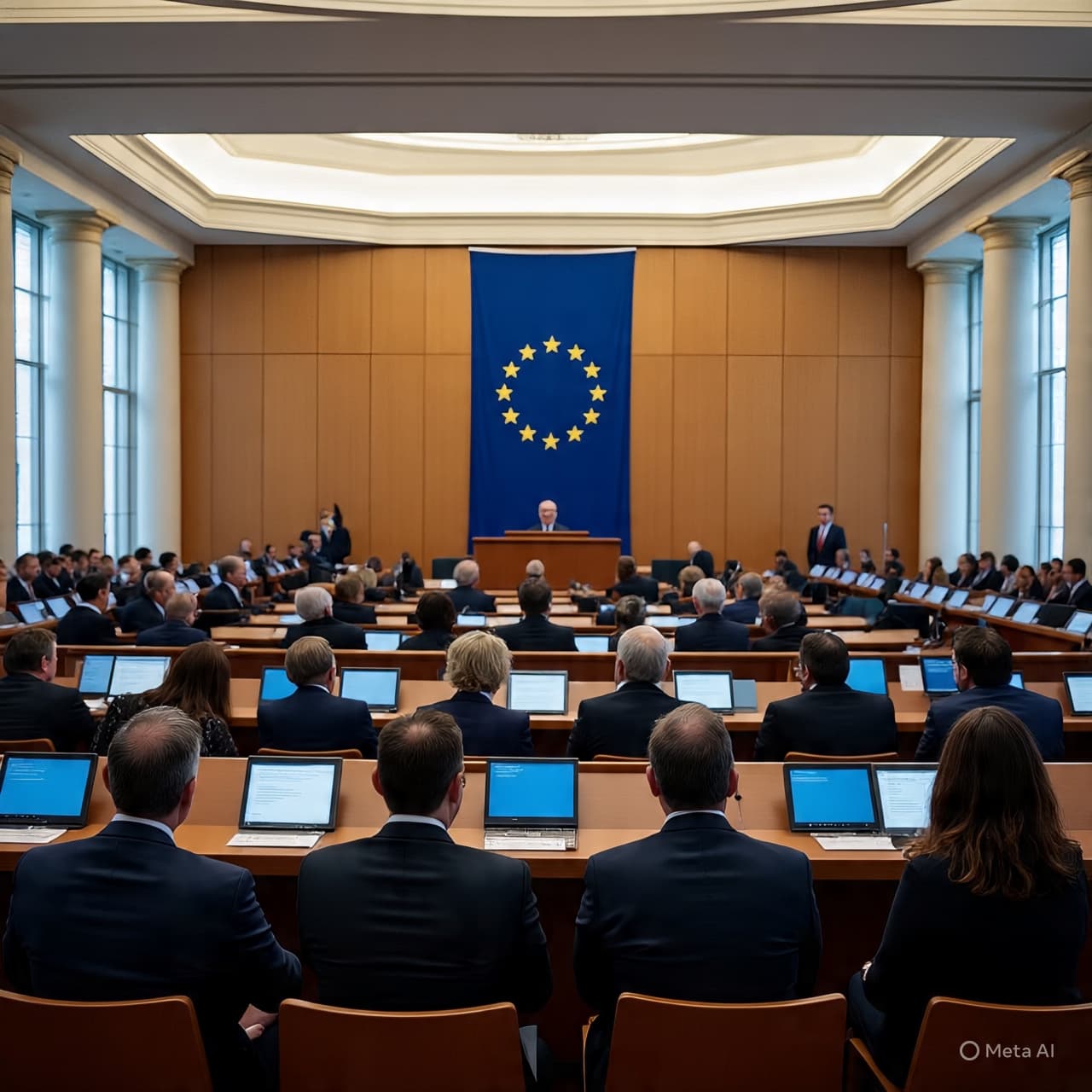
Members of the have expressed concern over the approach taken by the in ongoing or exploratory talks related to the conflict between and . Lawmakers emphasized the importance of ensuring that Ukraine remains central to any negotiations and that European security interests are adequately represented.
The remarks come amid reports of diplomatic engagement aimed at exploring potential pathways to de-escalation. While Washington has maintained its support for Kyiv through military and financial assistance, some European legislators worry that any bilateral discussions between the U.S. and Russia could sideline broader European input or pressure Ukraine toward concessions.
Parliamentarians across several political groups have underscored that durable peace must be grounded in Ukrainian sovereignty and international law. They argue that negotiations conducted without clear coordination among allies risk creating fractures within the transatlantic alliance. The European Union has been one of Ukraine’s strongest backers since the full-scale invasion began in 2022, providing sanctions, aid packages, and political support.
Officials in Washington have publicly reiterated that no decisions about Ukraine will be made without Ukraine’s participation. Nonetheless, European lawmakers have called for transparency regarding diplomatic contacts and strategic objectives. The debate reflects a wider concern about unity at a time when battlefield developments and domestic political pressures influence policy choices.
Within the European Parliament, resolutions and debates often serve as expressions of political sentiment rather than binding directives. However, they can shape broader EU discourse and signal expectations to the European Commission and member states. The current expressions of concern highlight the delicate balance between alliance coordination and independent European strategic interests.
Analysts note that peace negotiations in complex conflicts are rarely linear. Exploratory talks, back-channel communications, and public diplomacy frequently occur in parallel. The challenge lies in aligning objectives among partners while maintaining leverage in negotiations.
For Ukraine, the stakes remain existential. Any settlement would likely involve questions of territorial control, security guarantees, reconstruction funding, and accountability. European lawmakers have emphasized that principles enshrined in international law — including territorial integrity — must remain central.
Transatlantic relations have historically been anchored in cooperation through NATO and other institutions. Differences in tone or approach do not necessarily signal rupture, but they can reveal differing assessments of timing and tactics. As the conflict endures, coordination among allies remains both a strategic necessity and a diplomatic challenge.
The European Parliament’s statements are expected to feed into broader EU discussions in the coming weeks. U.S. officials have not announced any finalized peace framework, and diplomatic efforts remain ongoing. For now, expressions of concern reflect a desire for unity and clarity rather than a definitive shift in alliance policy.
AI Image Disclaimer Visuals are created with AI tools and are not real photographs.
Sources
Reuters Politico Europe BBC News The Financial Times Euronews
Published by Banx Network. This article is part of the Banx decentralized media programme, powered by the BXE token on the XRP Ledger.