
Key Highlights
- U.S. pauses vessel guidance in the Strait of Hormuz to facilitate diplomacy.
- President Trump cites requests from Pakistan and others for the temporary halt.
- Oil traders react to the uncertainty surrounding regional military positioning.
The Strait of Hormuz, a critical maritime chokepoint, serves as a vital artery for global oil shipments, and its significance extends beyond mere navigation. Recently, President Donald Trump announced a temporary pause in U.S. efforts to guide vessels through this narrow passage, a decision that reflects the intricate interplay of diplomacy and military strategy in the region. This move aims to create space for potential negotiations with Iran, as tensions have escalated in recent months.
In a social media post, Trump indicated that the pause in operations, informally dubbed "Project Freedom," was a strategic decision made to allow for ongoing diplomatic discussions. The U.S. has been under pressure to address the safety of commercial vessels that have faced delays due to heightened regional instability. The Strait of Hormuz is known for carrying a substantial portion of the world's oil supply, making any disruption a matter of global economic concern.
Despite the pause, U.S. military presence in the region remains significant. Trump emphasized that the blockade of Iranian ports would continue, signaling that this operational halt should not be interpreted as a full withdrawal of U.S. military support. The ongoing military posture underscores the delicate balance the U.S. seeks to maintain between diplomatic engagement and deterrence against Iranian aggression.
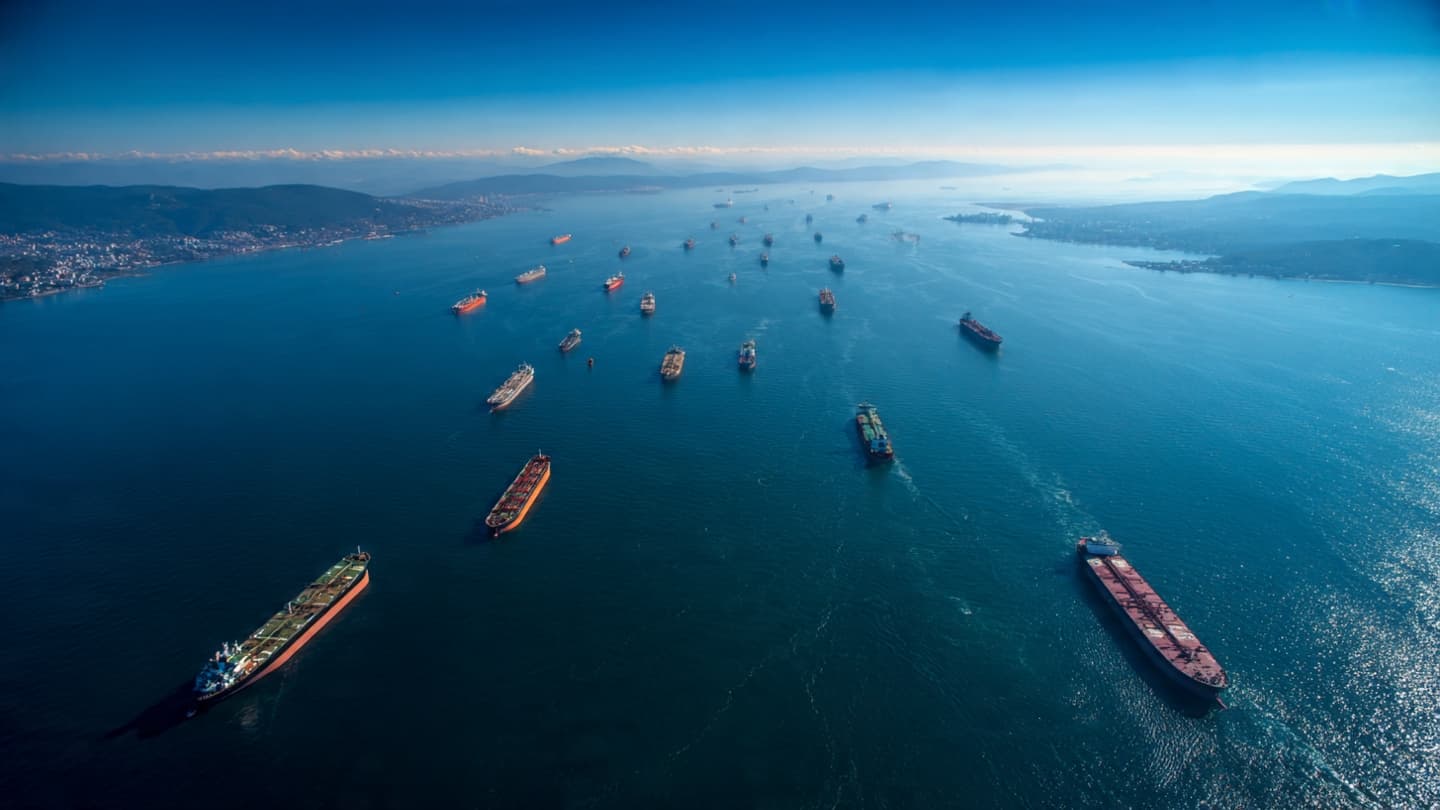
As the pause takes effect, shipping traffic through the Strait remains cautious. Many commercial vessels are still waiting or navigating carefully as insurers and operators evaluate the security landscape. While the ceasefire has alleviated some immediate risks, it has not restored full confidence in maritime operations. The uncertainty surrounding the situation continues to weigh heavily on oil markets, with traders closely monitoring developments.
Iran's response to the U.S. announcement has been measured. While officials in Tehran acknowledge the ongoing discussions, they have not fully embraced the American narrative of progress. This cautious stance reflects a broader strategy of maintaining diplomatic channels while managing domestic and international expectations.
The implications of this pause extend beyond the Strait of Hormuz. For global markets, the situation serves as a barometer of geopolitical stability. Oil prices are sensitive to developments in this region, and traders are balancing optimism about potential diplomatic resolutions against the backdrop of military uncertainties. The narrow waterway, once again, highlights the interconnectedness of global commerce and international relations.
As negotiations continue, the outcome remains uncertain. The U.S. has taken a step back in its vessel guidance efforts, but whether this will lead to a lasting resolution or merely a temporary reprieve in ongoing tensions is yet to be seen. The Strait of Hormuz remains a focal point of international diplomacy, with the potential for significant economic ramifications depending on the direction of talks.
Published by Banx Network. This article is part of the Banx decentralized media programme, powered by the BXE token on the XRP Ledger.



