
Key Highlights
- Oil tankers are cautiously resuming transit through the Strait of Hormuz.
- The strait is a crucial passage for global energy transport, influencing markets.
- Ongoing geopolitical tensions continue to shape shipping decisions and security perceptions.
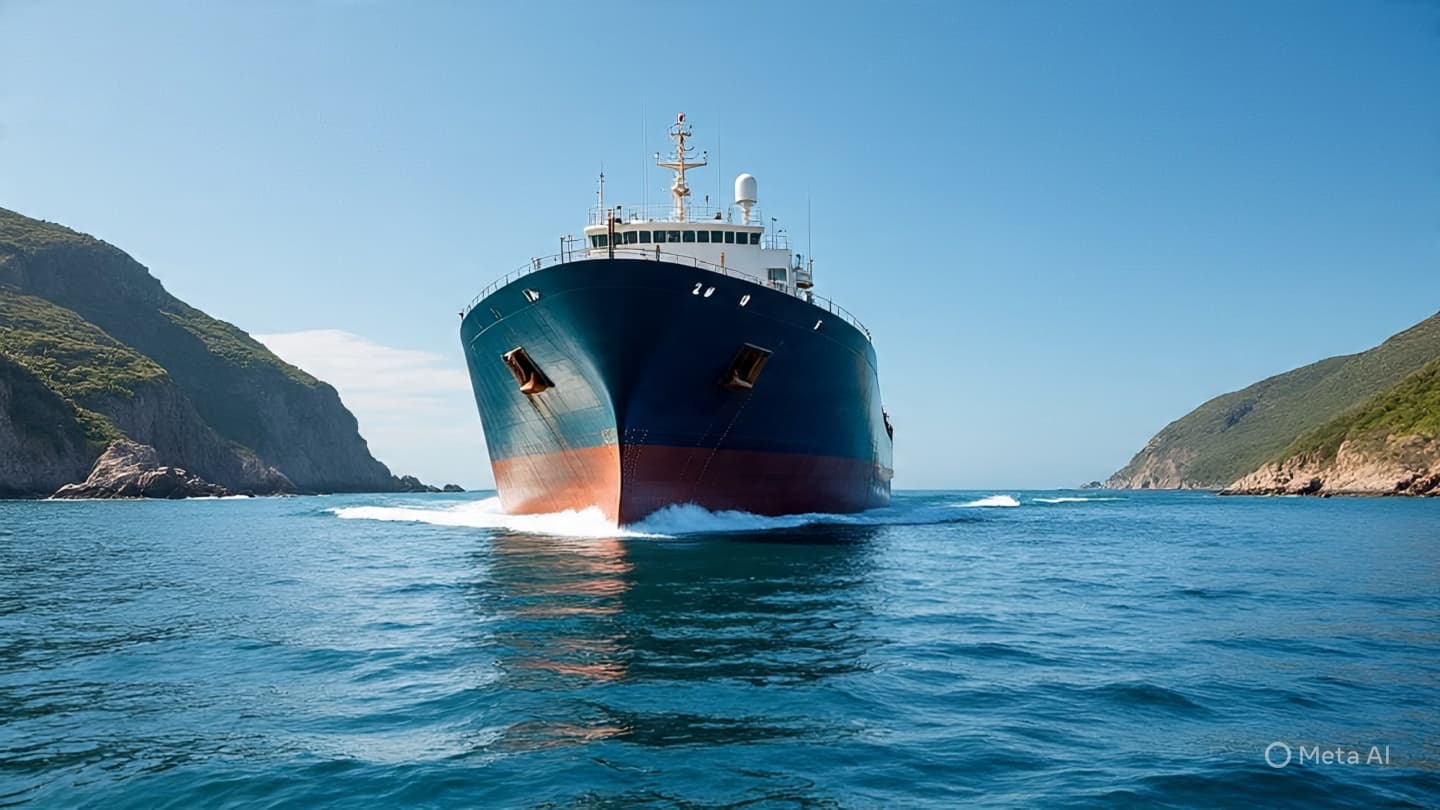
The Strait of Hormuz, a narrow waterway that serves as a critical artery for global oil transport, has recently seen a cautious return of oil tankers. This development comes after a period marked by heightened tensions and uncertainty regarding maritime security in the region. As vessels navigate these waters, their movements are deliberate, reflecting a careful recalibration of operations amid ongoing geopolitical complexities.
In recent days, the resumption of tanker traffic has been noted, signaling a tentative reopening of this vital passage. The Strait of Hormuz is not only a key route for oil shipments but also a focal point of geopolitical tension, particularly involving Iran, which borders the strait. The cautious approach taken by shipping companies underscores the delicate balance between the necessity of maintaining trade routes and the ever-present risks associated with navigating these waters.
The backdrop of this renewed activity is a landscape shaped by regional power dynamics and international relations. Iran's role in the Strait of Hormuz is pivotal, as its actions and policies directly influence perceptions of safety for maritime operations. The strait has historically been a flashpoint for conflicts, and the current situation is no exception, with concerns about potential escalations still looming.
The global implications of these movements are significant. A substantial portion of the world's oil supply traverses the Strait of Hormuz, linking producers in the Gulf to markets worldwide. Disruptions in this corridor can have far-reaching effects, impacting oil prices and energy security strategies across nations. As such, the return of tankers is not merely a logistical matter; it is a reflection of broader economic and political currents that shape the global energy landscape.
Shipping companies are now faced with the challenge of navigating these complexities. Decisions regarding routes, timing, and insurance are made with an acute awareness of the risks involved. The cautious return of tankers to the strait illustrates a dual necessity: the need to maintain the flow of commerce while adapting to an environment fraught with uncertainty.
Observers of the situation note that the dynamics in the Strait of Hormuz are rarely resolved quickly. Instead, they evolve gradually, influenced by a myriad of factors including diplomatic statements, military movements, and the behavior of shipping convoys. Each incident, whether it be a successful passage or a new threat, contributes to a larger narrative that is closely monitored by governments and market analysts alike.
As oil tankers resume their journeys through the Strait of Hormuz, they carry more than just cargo; they embody the ongoing questions surrounding stability and security in a region that remains pivotal to global energy flows. For now, the cautious resumption of shipping operations reflects a complex interplay of necessity and risk, as stakeholders navigate the uncertain waters of international trade and geopolitical tensions.
Published by Banx Network. This article is part of the Banx decentralized media programme, powered by the BXE token on the XRP Ledger.



