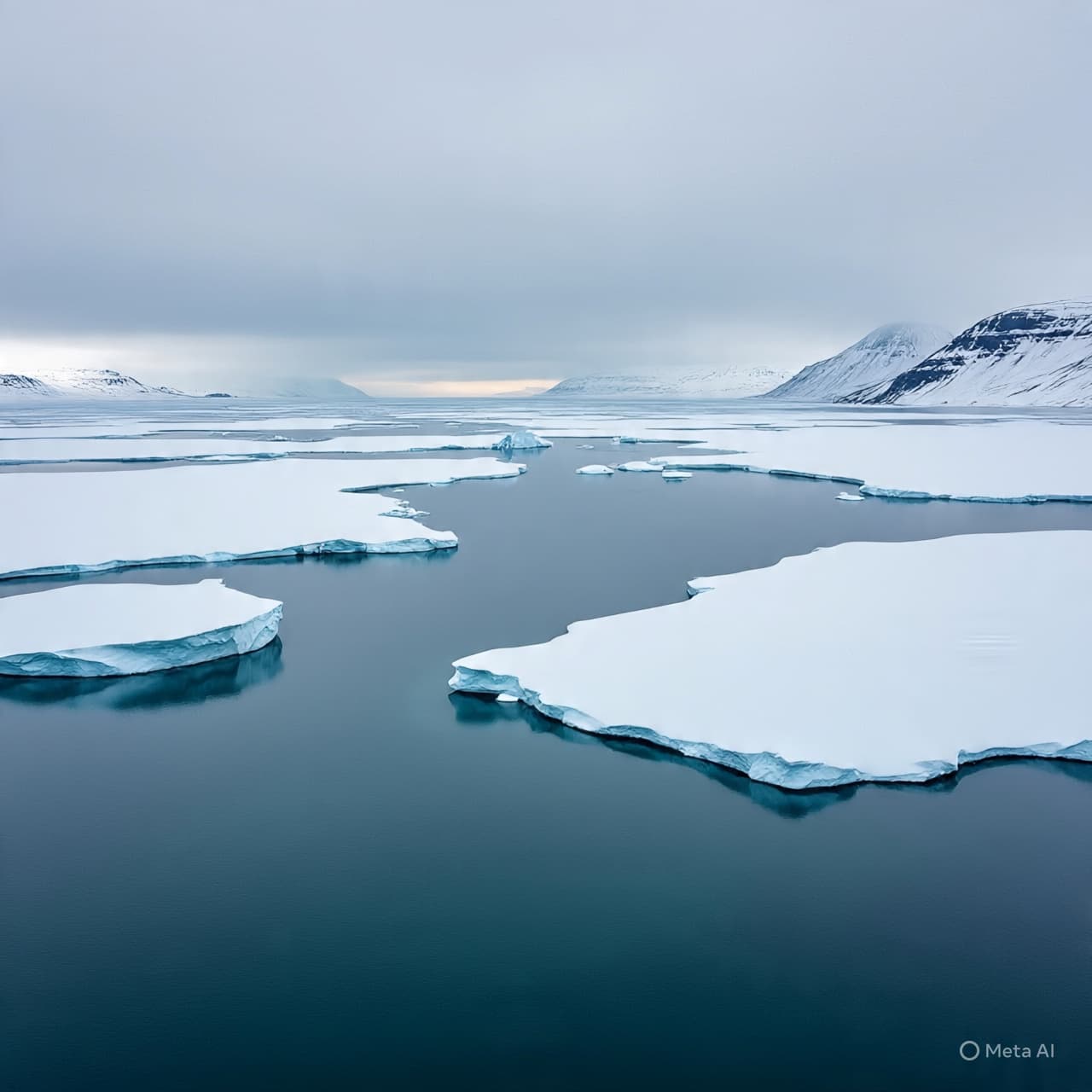
Far north of Europe’s crowded capitals, Greenland sits in a silence shaped by ice, distance, and time. Yet that silence has increasingly become part of strategic conversation.
British officials have held meetings with counterparts from several European countries, including Germany and France, to discuss preparations for the possible deployment of troops to Greenland. The talks, described as exploratory, reflect growing attention to the Arctic’s security landscape rather than an immediate plan for action.
The discussions come amid heightened concern over Arctic stability, as melting ice opens new sea routes and exposes strategic terrain long shielded by climate and isolation. For European governments, Greenland represents more than geography. It sits at the intersection of North Atlantic security, transatlantic alliances, and emerging competition among major powers.
Officials involved in the talks have emphasized contingency planning rather than commitment. Any potential troop deployment would depend on political decisions, alliance coordination, and assessments of regional risk. Still, the very act of coordination suggests a shift in how European states view the Arctic — not as a distant frontier, but as an integral part of future security planning.
Germany and France, both key NATO partners, have increased their focus on northern defense issues in recent years, aligning with broader efforts to adapt military posture to changing global conditions. Britain, for its part, has signaled repeatedly that it sees the High North as a priority area within its defense outlook.
Greenland’s unique status adds complexity. The territory is geographically vast, sparsely populated, and politically tied to Denmark, which remains responsible for its defense. Any multinational military presence would therefore require careful diplomatic alignment, not only among European partners but also with Copenhagen and transatlantic allies.
For now, the meetings remain part of a quiet preparatory phase — conversations held before circumstances force clarity. No timelines have been announced, and no formal decisions disclosed. What exists instead is awareness: that even the world’s coldest regions are no longer insulated from strategic calculation.
As climate, competition, and security converge, the Arctic’s role continues to shift. Greenland, once defined primarily by remoteness, now finds itself drawn steadily into the center of attention.
AI Image Disclaimer: Illustrations were created using AI tools and are not real photographs.
Sources: The Times of Israel Reuters Associated Press Middle East Eye
Published by Banx Network. This article is part of the Banx decentralized media programme, powered by the BXE token on the XRP Ledger.