
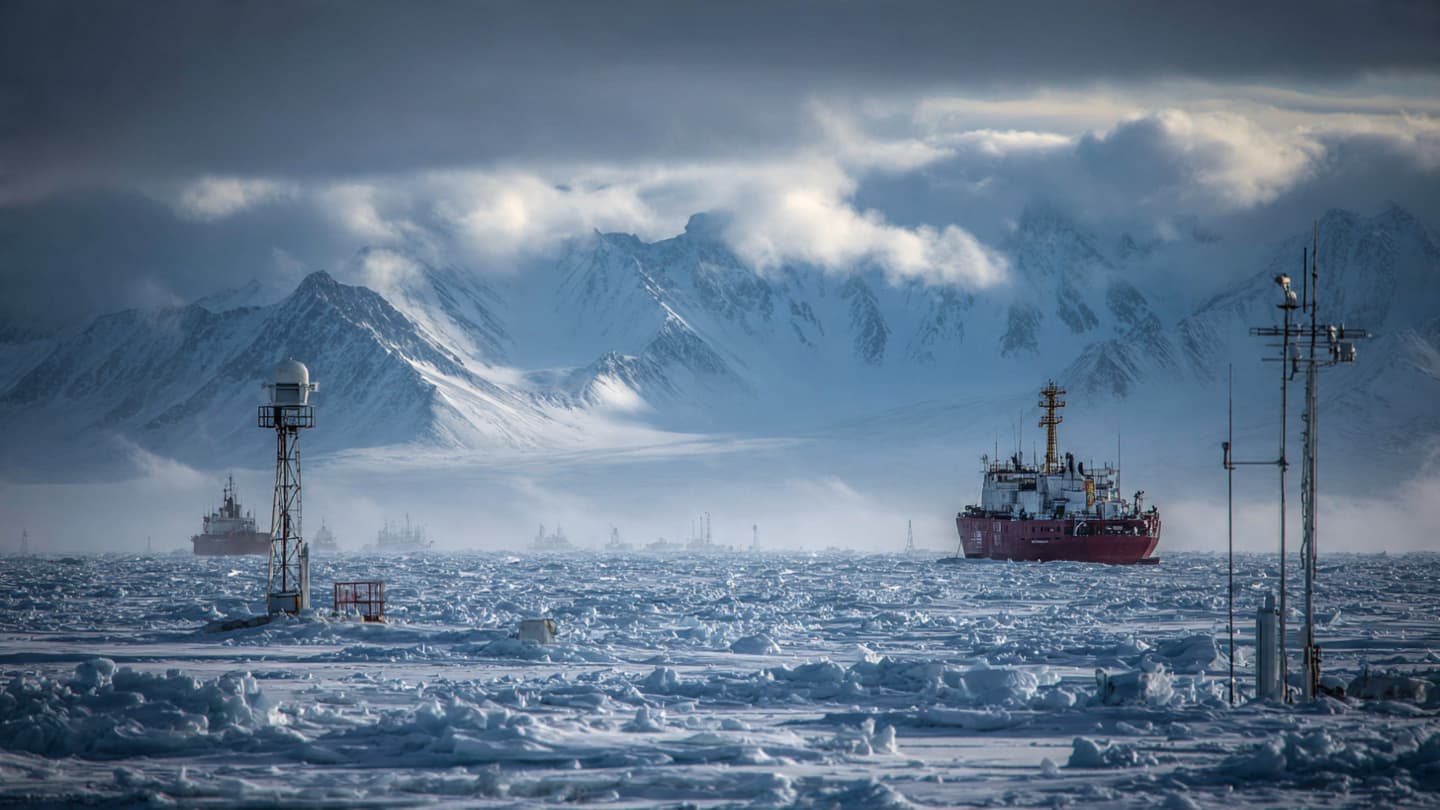
Far from the centers of global commerce and politics lies a region whose importance continues to grow with each passing year. The Arctic, often viewed as a remote expanse of ice and ocean, plays a vital role in the planet’s environmental balance. Changes occurring there influence ecosystems, weather patterns, and climate systems far beyond the polar circle. Recognizing this significance, France has encouraged greater international cooperation focused on Arctic environmental protection.
The Arctic has become an area of increasing international attention due to the visible effects of climate change. Scientists continue to monitor changes in sea ice, ecosystems, and environmental conditions that have implications for both local communities and the broader global environment.
France has emphasized the value of scientific cooperation and environmental stewardship in addressing these challenges. Protecting fragile ecosystems often requires collaboration among governments, research institutions, and international organizations working toward shared objectives.
Environmental experts note that the Arctic functions as an important indicator of broader climate trends. Developments within the region provide valuable insights into environmental changes that may affect other parts of the world. Continued research therefore remains an essential component of international efforts.
Cooperation extends beyond scientific observation. Environmental protection initiatives often involve conservation measures, sustainable resource management practices, and policies designed to reduce ecological risks. Such efforts seek to balance environmental concerns with economic and strategic interests.
France has supported multilateral approaches that encourage dialogue and information sharing among countries engaged in Arctic affairs. Collaborative frameworks help promote transparency while supporting evidence-based decision-making.
The region’s importance is likely to increase in the years ahead as environmental, economic, and geopolitical interests continue to intersect. Effective management of these dynamics requires ongoing communication and a commitment to sustainable practices.
Observers emphasize that environmental challenges rarely remain confined to a single location. Changes affecting the Arctic can influence weather systems, sea levels, biodiversity, and ecological conditions across multiple continents. This interconnectedness reinforces the importance of international engagement.
Research institutions continue to expand their understanding of Arctic ecosystems and climate processes. Scientific findings help inform policies while providing guidance regarding future environmental management strategies. International cooperation remains central to many of these efforts.
As France advocates for stronger collaboration, the focus remains on protecting a region whose significance extends well beyond its geographic boundaries. The Arctic may appear distant to many people, yet its future is closely linked to broader environmental outcomes that affect communities around the world. Cooperation today may help preserve resilience for generations to come.
AI IMAGE DISCLAIMER
Illustrations were produced with AI and serve as conceptual depictions.
SOURCE CHECK
Reuters United Nations Environment Programme AFP France 24 Arctic Council publications
Published by Banx Network. This article is part of the Banx decentralized media programme, powered by the BXE token on the XRP Ledger.


