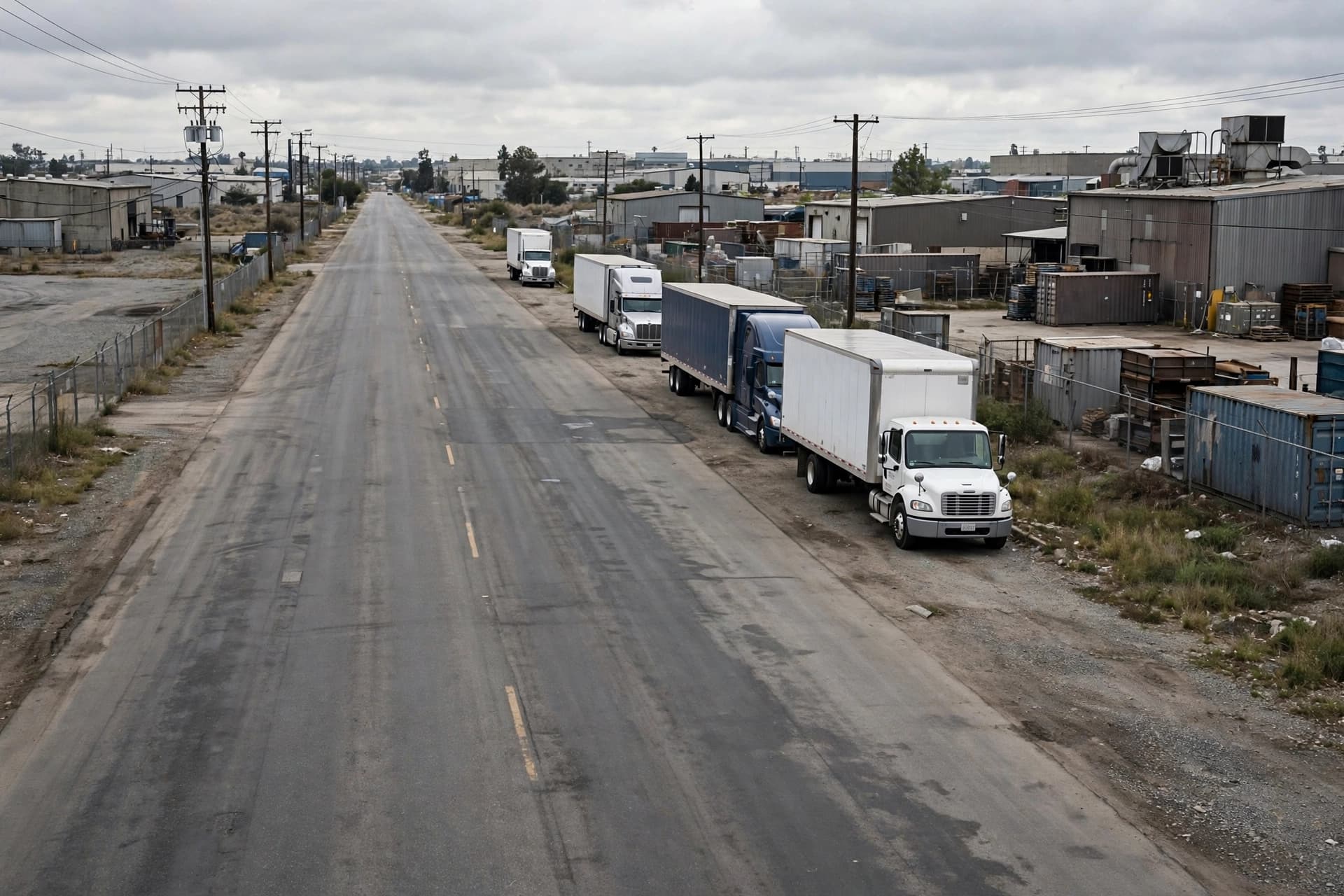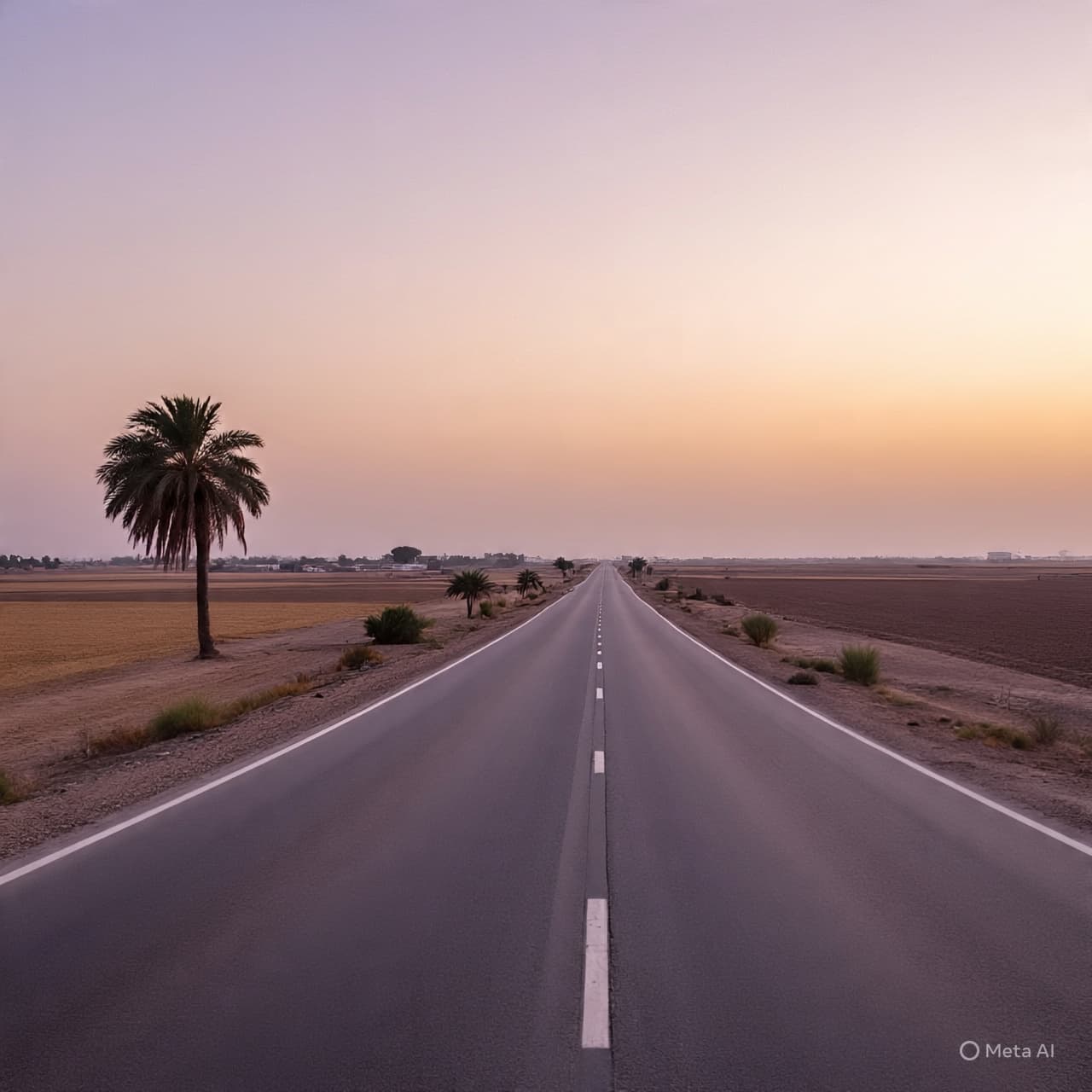
In the late afternoon light south of Baghdad, where the dust settles softly across open fields and low walls, time often moves at the pace of wind and shadow. The land around Jurf al-Sakhar lies flat and expansive, its horizon wide and unbroken, its soil long accustomed to seasons of cultivation and years of uncertainty. The air carries sound differently here — it stretches it, softens it, lets it linger.
On Saturday, that air was broken twice.
Two airstrikes targeted the Jurf al-Sakhar area for the second time that day, according to Iraqi security sources. The strikes followed an earlier round of air operations in the same vicinity, marking a rare repetition within a single day over the same stretch of ground.
The first strike had already drawn attention, with reports indicating casualties among members of Iraq’s Popular Mobilization Forces, a coalition of armed groups operating under state authority. By evening, as daylight thinned and shadows grew longer across the fields, another pair of explosions was reported in the area.
Details remained limited in the immediate aftermath. Officials did not publicly confirm the identity of the aircraft involved in the second strike, nor did they provide a comprehensive casualty update. Security sources said assessments were ongoing and that further information would be released once verified.
Jurf al-Sakhar has long occupied a strategic position in Iraq’s central corridor. Once a contested battleground during earlier conflicts, it remains a sensitive zone shaped by overlapping military and political interests. Its geography — open plains intersected by agricultural tracts and roadways — has often made it both a passage and a point of concentration.
For residents and those stationed nearby, a second strike in a single day alters the rhythm of ordinary hours. Even when the explosions subside, the atmosphere does not immediately return to stillness. There is a pause that follows, a waiting for confirmation, for explanation, for clarity.
By late Saturday, Iraqi authorities confirmed that two air operations had taken place in Jurf al-Sakhar that day. Security officials reported fatalities and injuries from the earlier strike and said the situation following the second attack was still being evaluated. No formal claim of responsibility had been publicly issued at the time of reporting.
As night settled over the plains south of Baghdad, the dust began once more to descend, covering the marks left behind, even as questions remained in the air.
AI Image Disclaimer
Illustrations were created using AI tools and are not real photographs.
Source Check
Reuters Associated Press AFP Shafaq News Al Jazeera
Published by Banx Network. This article is part of the Banx decentralized media programme, powered by the BXE token on the XRP Ledger.


.jpg&w=3840&q=75 "India Says First Phase of U.S. Trade Deal Is Nearly Done, Seeks Edge Over Rivals")