
Key Highlights
- Missile Strike:A refinery in Haifa operated by the Bazan Group was struck by a missile attributed to Iran.
- Ongoing Tensions:The incident reflects escalating hostilities between Israel and Iran, impacting regional security.
- Economic Implications:Disruption of energy infrastructure raises concerns over supply stability and economic behavior.
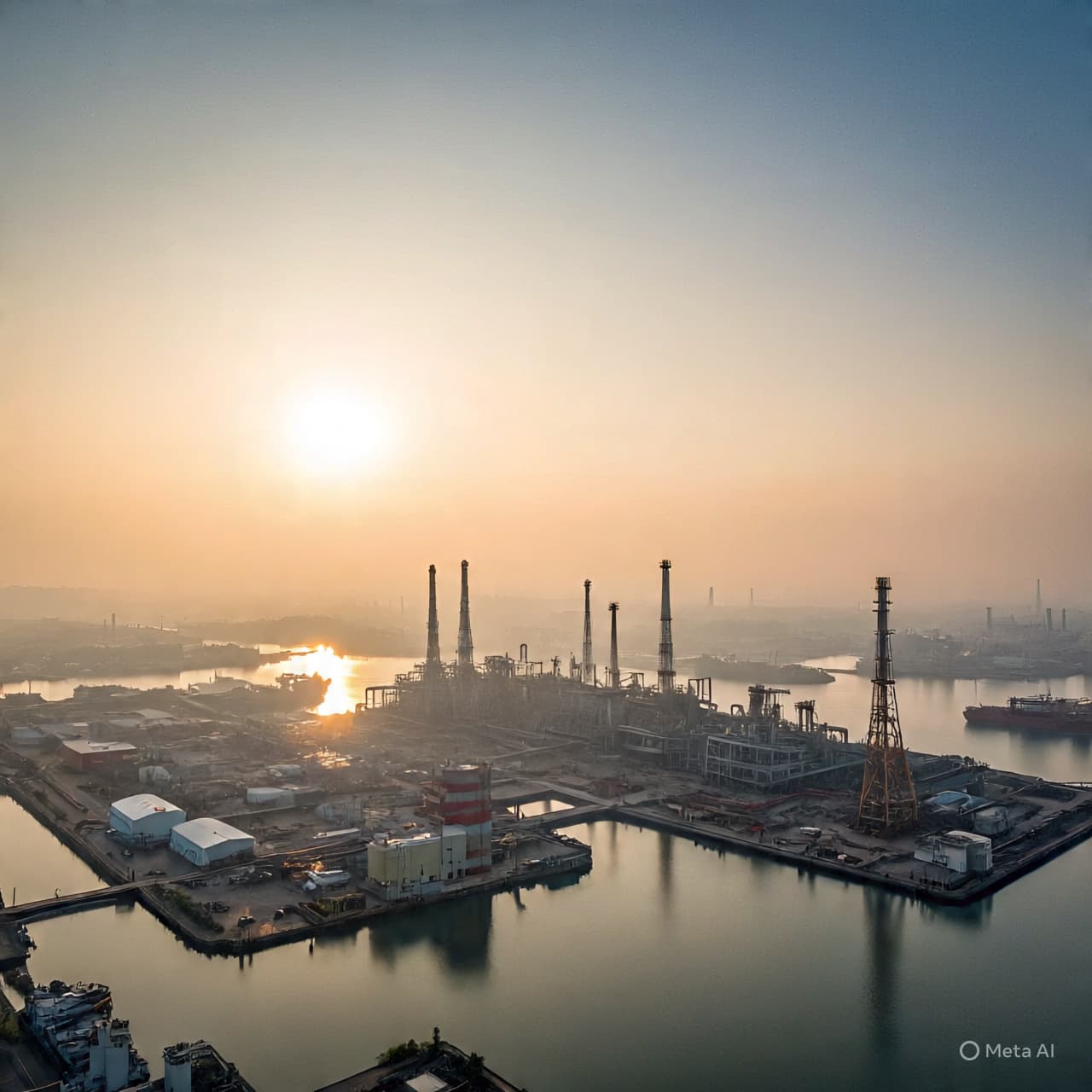
The coastal city of Haifa, known for its industrial landscape and strategic port, recently faced a significant escalation in regional tensions. A missile strike attributed to Iran targeted the Bazan Group's refinery, a critical facility that plays a vital role in refining crude oil into essential fuels. This incident not only highlights the ongoing conflict between Israel and Iran but also underscores the interconnectedness of energy infrastructure and daily life in the region.
The Bazan Group confirmed that its refinery was hit, prompting immediate assessments of the damage and the continuity of operations. The refinery is integral to the local economy, supplying fuels necessary for transportation, heating, and various industries. Disruptions to such facilities can have cascading effects, impacting supply chains and logistics far beyond the immediate vicinity.
In the wake of the missile strike, emergency responses were initiated, with engineers and safety teams mobilizing to evaluate the extent of the damage. The structured processes that follow such incidents reflect the urgency of maintaining operational integrity in the face of threats. The refinery, a symbol of industrial resilience, now bears the marks of conflict, raising questions about the future of energy security in the region.
The targeting of energy infrastructure introduces a complex layer to the ongoing conflict. Unlike symbolic targets, these facilities are essential for daily functioning, making them vulnerable yet critical. The strike on the Haifa refinery serves as a reminder of how conflicts can disrupt not only strategic interests but also the everyday lives of citizens who rely on these resources.
For the residents of Haifa, the missile strike is woven into the fabric of their daily lives. The city, characterized by its diverse communities and industrial heritage, has experienced its share of conflicts. Sirens and emergency responses momentarily disrupt the routine, but the resilience of the community often leads to a swift return to normalcy. This incident, however, adds a new chapter to the city's narrative, one that intertwines local experiences with broader geopolitical dynamics.
At a regional level, the strike contributes to an already heightened sense of tension between Israel and Iran. Each action taken by either side is closely monitored by governments and markets worldwide. The implications of targeting energy infrastructure extend beyond immediate damage; they can influence global markets and perceptions of stability in the region. Even localized incidents can trigger shifts in economic behavior, reflecting the interconnected nature of global energy supply.
As the situation unfolds, the focus remains on the refinery and its operations. Engineers and workers are tasked with assessing damage and implementing necessary adjustments to restore functionality. The process is not merely technical; it is a reflection of the resilience and adaptability required in times of crisis. The refinery stands as a testament to the complexities of modern conflicts, where the lines between strategy and sustenance blur, leaving lasting impacts on both infrastructure and communities.
In summary, the missile strike on the Bazan Group refinery in Haifa marks a significant moment in the ongoing tensions between Israel and Iran. As assessments of damage and operational continuity continue, the broader implications for energy security and local communities remain a critical focus.
Published by Banx Network. This article is part of the Banx decentralized media programme, powered by the BXE token on the XRP Ledger.



