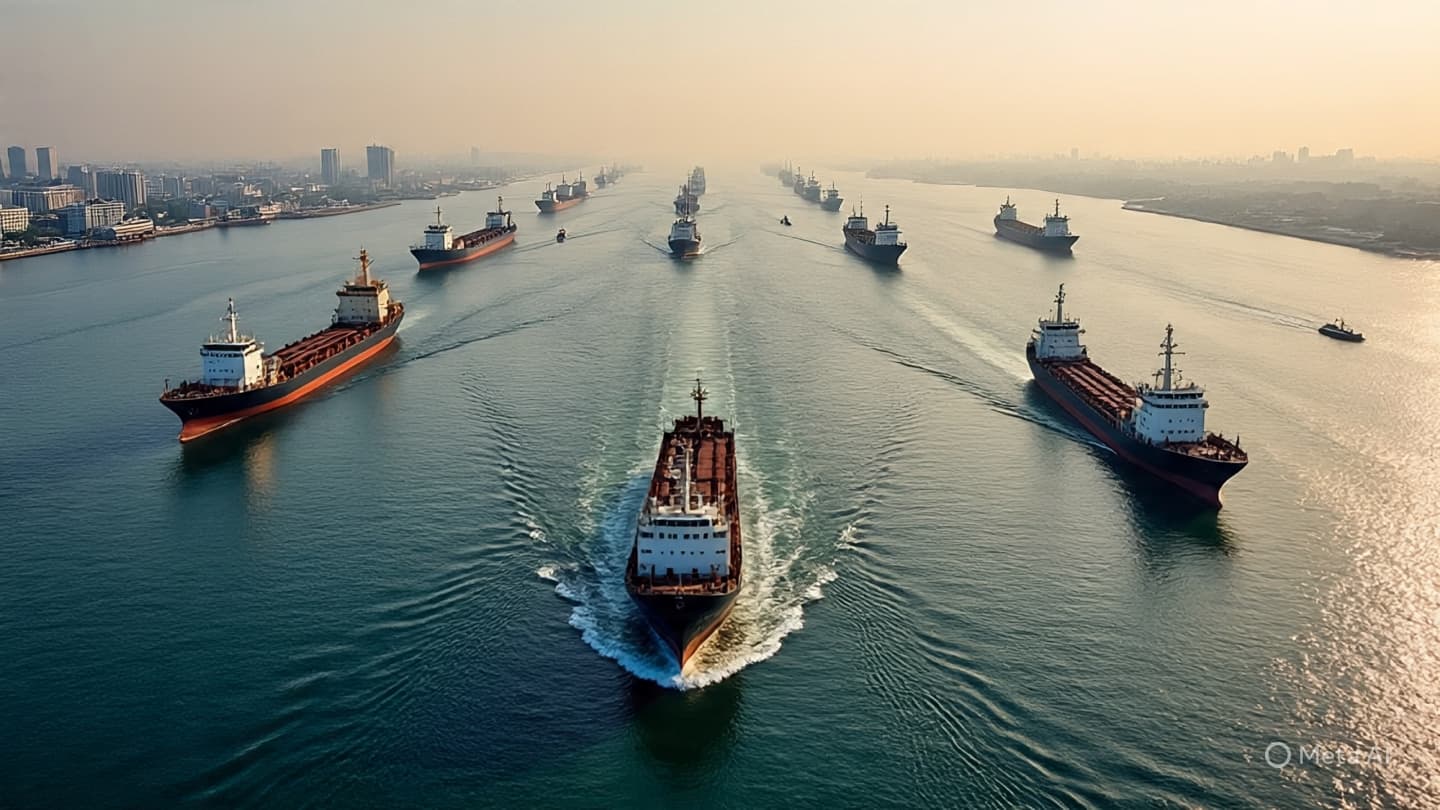
At the narrow mouth of the Strait of Hormuz, the sea rarely appears hurried. Tankers move with deliberate weight, tracing slow lines across water that has carried centuries of trade, tension, and passage. The horizon feels open, yet constrained by invisible boundaries—lanes of transit shaped as much by politics as by geography.
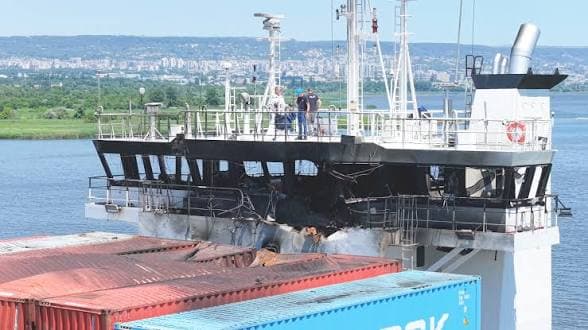
In recent hours, that quiet passage has grown more uncertain. Reports indicate that Iran has opened fire on vessels traveling through the strait, escalating a situation already strained by broader regional tensions. The incidents, emerging through maritime monitoring and official accounts, have drawn immediate attention to one of the world’s most critical shipping corridors, where even minor disruptions can ripple far beyond the water itself.
The strait serves as a vital artery for global energy flows, with a significant portion of the world’s oil and liquefied natural gas shipments passing through its narrow channel. Its importance has long made it a focal point during periods of instability, where any sign of conflict can translate into heightened risk for commercial shipping. The reported attacks have already prompted caution among vessel operators, with some reconsidering routes or delaying transit altogether.
For crews aboard these ships, the experience is defined by proximity. The open sea, often associated with distance and isolation, becomes suddenly immediate when tension rises. Navigation shifts from routine to vigilance, with communications monitored closely and movements guided by both instruction and instinct. The margin for error narrows, and the sense of exposure becomes more pronounced.
Iran has framed its actions within the context of regional security and ongoing confrontations, particularly involving Israel and broader geopolitical pressures. The interplay of these dynamics has turned the strait into more than a transit point—it becomes a stage where larger conflicts express themselves in concentrated form. Each movement, each exchange, carries implications that extend outward into global markets and diplomatic arenas.
International responses have begun to take shape, with calls for de-escalation and renewed emphasis on the freedom of navigation. Naval forces from multiple countries maintain a presence in nearby waters, monitoring developments and, in some cases, preparing to escort commercial vessels. The goal, often stated in measured terms, is to ensure the continued flow of trade while avoiding further confrontation.
Meanwhile, the effects are already being felt beyond the immediate region. Energy markets, sensitive to disruptions in supply routes, respond with fluctuation. Shipping companies assess risk with renewed urgency, weighing the balance between operational necessity and safety. The strait, though geographically narrow, exerts a wide influence—its condition reflected in decisions made far from its shores.
As daylight shifts across the water, the movement of ships continues, though with altered rhythm. The same routes are followed, but with heightened awareness, each transit shaped by the knowledge of recent events. The sea remains, as it always has, but the context through which it is navigated has changed.
In the end, the facts settle into place: Iran has opened fire on vessels traveling through the Strait of Hormuz, intensifying concerns over security in a key global shipping lane. The consequences, still unfolding, will likely extend beyond the immediate moment, carried along the same routes that have long connected regions, economies, and histories.
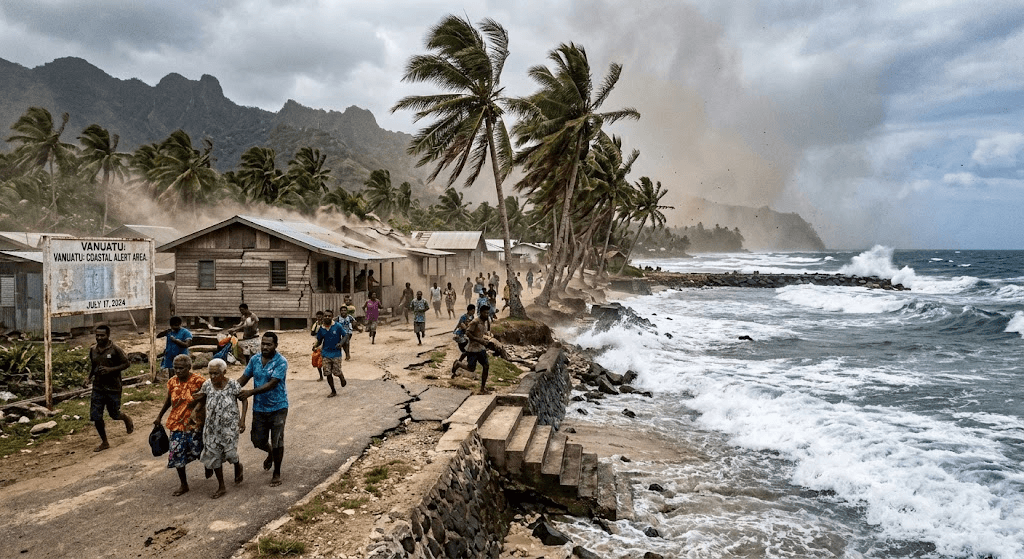
AI Image Disclaimer Visuals are AI-generated and serve as conceptual representations.
Sources Reuters BBC News Bloomberg The New York Times Al Jazeera
Published by Banx Network. This article is part of the Banx decentralized media programme, powered by the BXE token on the XRP Ledger.