
Key Highlights
- Recovery of remains:Israeli authorities confirmed the recovery of the last captive's remains held in Gaza.
- Emotional impact:The announcement marked a painful closure for families and the nation, shifting from hope to mourning.
- Ongoing conflict:The recovery underscores the unresolved nature of the broader Israeli-Palestinian conflict.
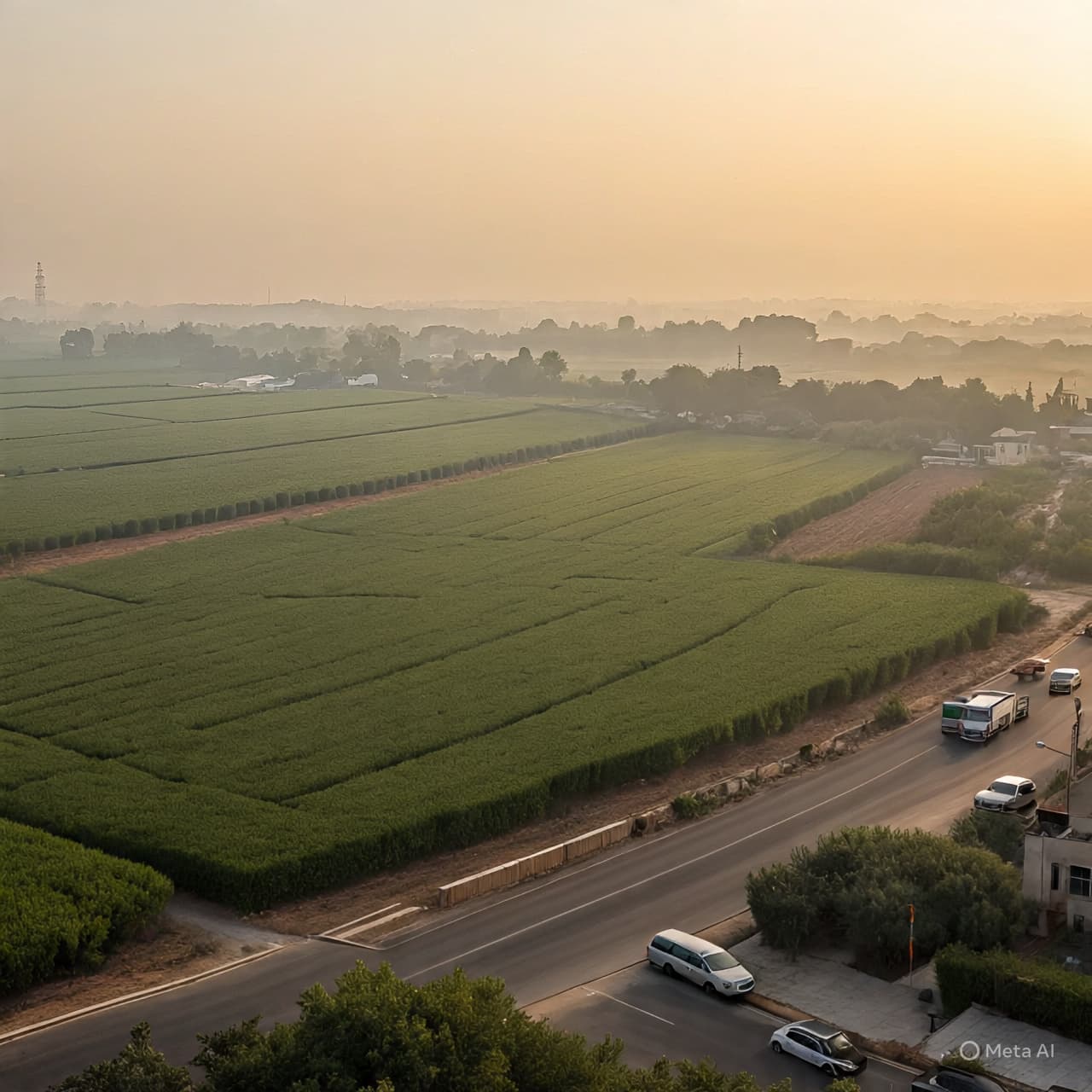
The dawn light in southern Israel arrived quietly, illuminating a landscape marked by both beauty and sorrow. On this particular morning, the Israeli authorities announced the recovery of the remains of the last captive held in Gaza, a significant yet somber development in a long-standing conflict characterized by absence and violence. This announcement brought to a close a chapter that had lingered painfully in the national consciousness, where the name of the captive had become less a personal identity and more a haunting question—one that remained unresolved amid the daily rhythms of life.
The operation that led to the recovery of the remains was shrouded in secrecy, with details intentionally kept sparse by military and intelligence officials. What emerged from this operation was not a story of triumph but rather a quiet confirmation of loss: the individual who had been missing would not return alive. In the context of conflict, such endings rarely arrive cleanly; they come instead through fragments—partial answers, recovered remains, and carefully chosen words from officials who understand the weight of their statements.
For families of captives, time often feels distorted. Days stretch endlessly, filled with hope, dread, rumors, and silence. In Israel, the hostage crisis has become a focal point of moral and emotional debate, shaping public sentiment and political pressure. The fate of the last captive symbolized the unresolved issues stemming from the war, a stark reminder that not all wounds heal, and some questions remain unanswered.
Conversely, in Gaza, where destruction has layered itself over streets and memories, the recovery of the remains highlights a different reality: the geography of war absorbs lives quietly, often without witnesses. The search for remains occurs amid collapsed structures and erased landmarks, where time itself seems to stall under the weight of rubble and dust. The recovery does not resolve the broader conflict but closes a specific chapter of human experience, allowing families to transition from waiting to mourning.
The announcement in Israel was met with a subdued acknowledgment rather than celebration. Flags remained at half-mast, and daily life continued, albeit with the weight of one fewer unanswered question. The state framed the recovery as a duty fulfilled, while families expressed a sense of closure that felt far from peaceful. Wars often conclude on paper long before they do in the hearts of those affected, and this recovery does not signal resolution but rather the completion of a narrative that had dragged on too long.
As the morning light strengthened and the day unfolded, the border returned to its familiar stillness. One chapter closed quietly, leaving behind not an ending but an echo—a reminder of the complexities and emotional toll of conflict that continues to shape lives on both sides of the divide.
Published by Banx Network. This article is part of the Banx decentralized media programme, powered by the BXE token on the XRP Ledger.



