Some countries live at the center of maps. Others live at the center of tensions.
In the mountainous landscapes that connect Europe, Asia, and the Middle East, geography often becomes destiny. Roads, pipelines, trade routes, and alliances intersect across valleys that have witnessed empires rise and recede. Here, political decisions rarely remain domestic matters for long. They are carried outward by history, amplified by neighbors, and measured against the ambitions of larger powers.
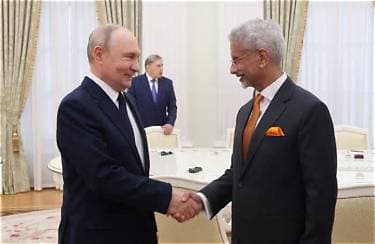
Such is the atmosphere surrounding Armenian Prime Minister Nikol Pashinyan, who finds himself navigating one of the most challenging periods of his political career. Facing an increasingly competitive political environment at home, receiving encouragement from the administration of Donald Trump, and encountering growing pressure from Vladimir Putin, Pashinyan stands at the center of a struggle that reflects far more than a single election campaign.
For much of Armenia’s modern history, Russia served as its primary security partner and economic anchor. Cultural ties, military agreements, and shared institutions created a relationship that many assumed would endure indefinitely. Yet recent years have altered that assumption. Following regional conflicts and disagreements over security guarantees, Armenia has increasingly explored closer relationships with Western governments and institutions, seeking alternatives to a dependence that once seemed unavoidable.
This shift has not gone unnoticed in Moscow. Russian officials have repeatedly expressed concern about Armenia’s growing engagement with Europe and the United States. President Putin recently warned that closer integration with the European Union could carry economic consequences, particularly regarding energy supplies and trade relationships that remain vital to Armenia’s economy. The message was clear: geopolitical realignment comes with costs as well as opportunities.
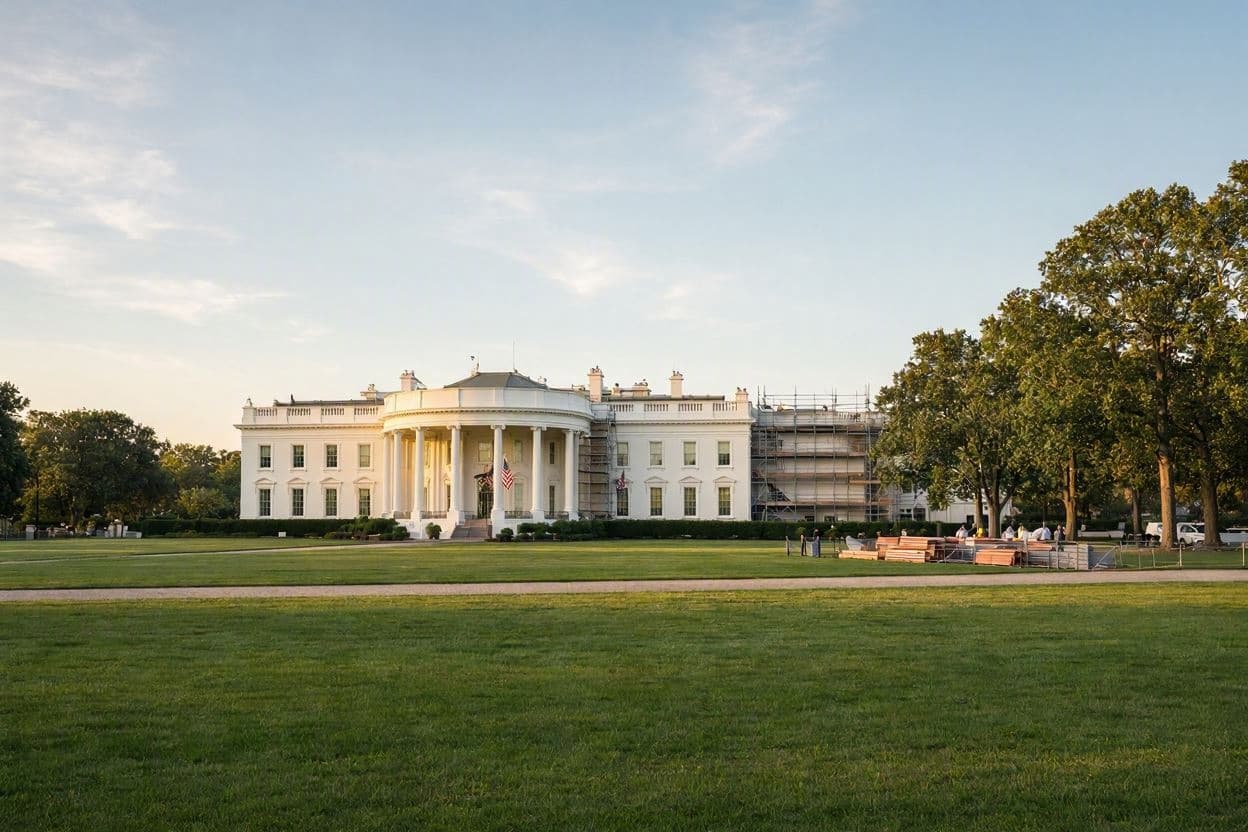
At the same time, Washington has offered increasing diplomatic support to Armenia’s reform efforts and regional initiatives. The backing is viewed by many observers as part of a broader Western strategy aimed at strengthening relationships in a region traditionally regarded as within Russia’s sphere of influence. For Armenia, such support provides options. For its leaders, however, it also creates new expectations and pressures.
The resulting situation resembles a narrow mountain path. Moving too quickly in one direction risks instability. Standing still carries its own dangers. Each step requires balancing domestic priorities against international realities.
At home, Pashinyan faces political challenges that extend beyond foreign policy. Economic concerns, debates over national security, and lingering public divisions have shaped the political landscape ahead of critical electoral contests. His supporters argue that Armenia must adapt to a changing world and diversify its partnerships. Critics question whether the country can safely distance itself from long-standing alliances without exposing itself to new vulnerabilities.
The debate reflects a broader question confronting many smaller nations situated between major powers. How does a country preserve autonomy while depending on external relationships for security and prosperity? How does it modernize without alienating traditional partners? These questions rarely produce simple answers.
Observers note that Armenia’s position is particularly delicate because its choices are unfolding at a moment when global politics itself feels increasingly fluid. The war in Ukraine has transformed security calculations across Eurasia. Energy markets continue to evolve. Regional conflicts and diplomatic realignments have encouraged governments to reconsider assumptions that once seemed settled.
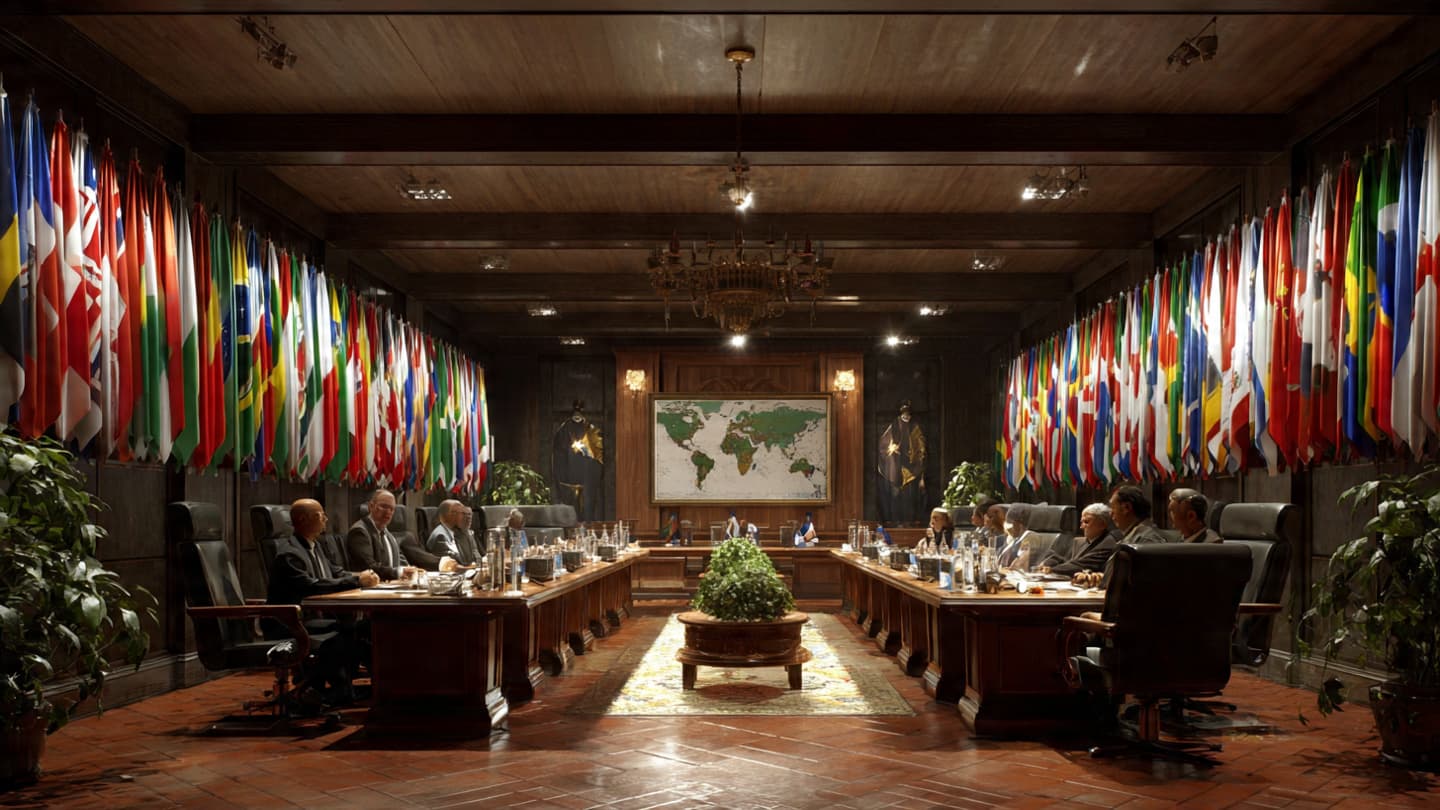
Against this backdrop, Pashinyan’s political future has become intertwined with larger geopolitical currents. His fortunes are shaped not only by voters and opposition parties but also by how effectively he manages relationships with powerful capitals whose interests do not always align.
Yet beneath the language of strategy and diplomacy lies a quieter reality. Daily life in Armenia continues with familiar rhythms. Markets open each morning. Families gather in public squares. Students prepare for examinations, and businesses plan for the future. The questions debated by leaders eventually return to these ordinary experiences, influencing opportunities, stability, and confidence in what lies ahead.
For now, the prime minister remains engaged in a balancing act that has become increasingly characteristic of modern geopolitics. Backed by one global power, challenged by another, and accountable above all to his own citizens, he occupies a position where every decision carries significance beyond immediate political calculations.
Whether that path ultimately strengthens his leadership or shortens it remains uncertain. What is clear is that Armenia’s story has become a reflection of a wider age—an era in which smaller nations often find themselves navigating between competing centers of influence, seeking room to shape their own futures while the larger currents of history continue to flow around them.
AI Image Disclaimer Illustrations in this article were generated using AI technology and are intended as visual interpretations rather than authentic photographic documentation.
Sources Reuters Associated Press Reuters Analysis Financial Times Radio Free Europe/Radio Liberty (RFE/RL)
Published by Banx Network. This article is part of the Banx decentralized media programme, powered by the BXE token on the XRP Ledger.