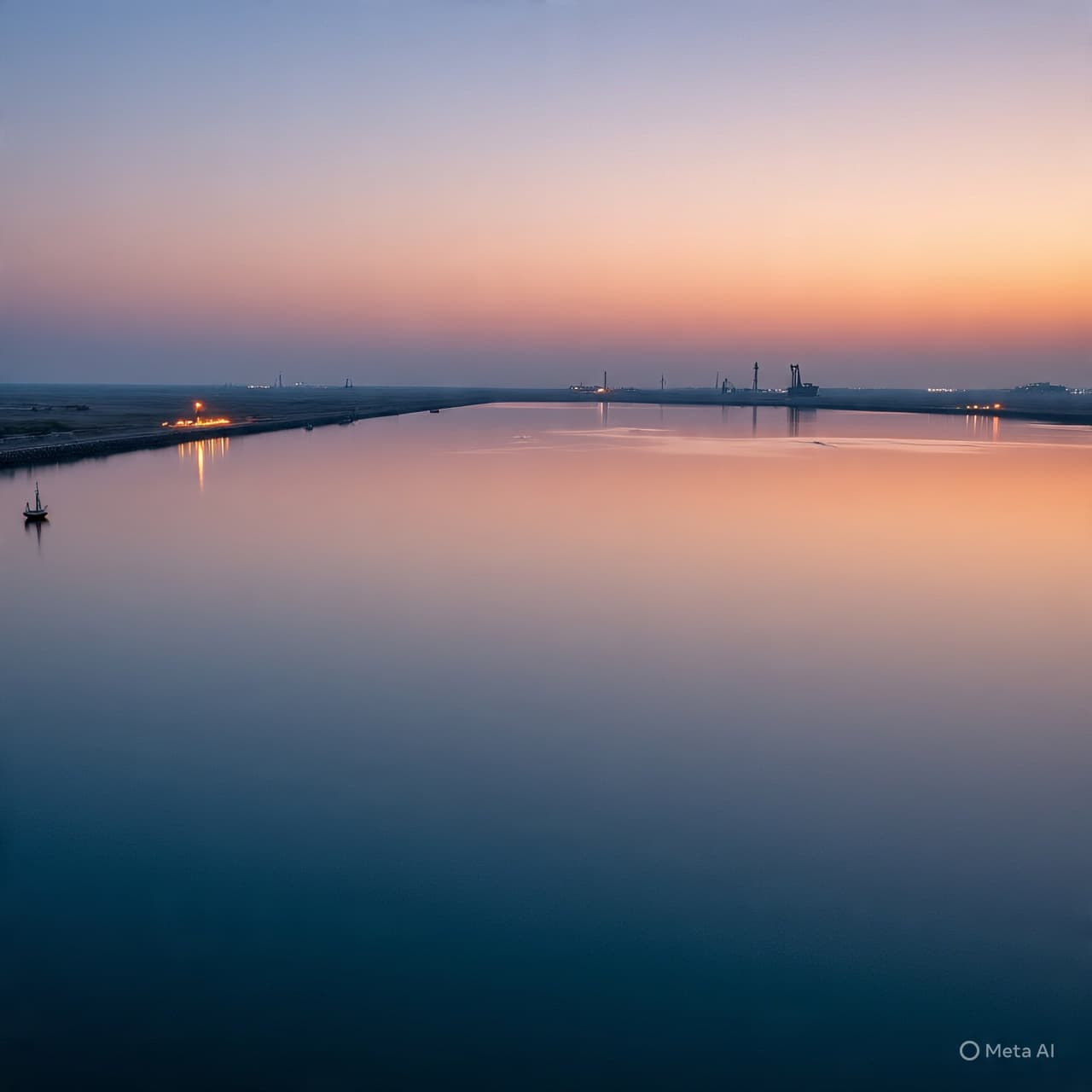
In the soft haze of early morning over the Persian Gulf, where the water holds the glint of sunrise like a promise whispered across horizons, there lies a small coral island whose quiet silhouette speaks of oil and age‑old tides. The gentle lapping of waves against its shores belies the island’s deep entanglement with modern life: this is Kharg Island, the pulsing heart of Iran’s oil export system, where pipelines meet port and vast tankers once laden with crude eased into the world’s energy bloodstream. In this liminal hour between night and day, it is easy to forget that such a place — remote, modest in size, ringed by sea and sky — can also be a fulcrum of global tension.
But in recent days, Kharg’s stillness has become a focal point of strategic conversation far beyond its sandy beaches. Reports from international media and official sources suggest that the Trump administration is contemplating options to seize or occupy Kharg Island as part of its broader conflict strategy with Iran, with the aim of forcing Tehran to reopen the Strait of Hormuz and recalibrate peace negotiations. The island’s significance is unmistakable: it handles about 90 percent of Iran’s oil exports, serving as the central conduit for crude flowing from inland fields to global markets. These fundamentals have not changed even as the region has become a theatre of competing military and diplomatic currents.
In the quiet rooms where diplomats and strategists chart their maps, the language used to describe Kharg shifts between logistic imperative and symbolic weight. To many in Washington, control of this export hub represents leverage over oil revenues that underpin Iran’s economy — revenues that, in turn, sustain the government in Tehran and its influence across the region. Some reports suggest that senior American and allied planners see occupation or blockade as a way to compel Iranian concessions on matters such as the reopening of shipping lanes that have been choked by conflict and dissent.
But for those who know the Gulf’s wind‑streaked plains and deep waters, the choice is not so simple. Kharg’s terminals — with pipelines snaking inland, storage tanks gleaming under desert sun, and jetties that welcome supertankers from distant horizons — are not just a tactical prize; they are the circulatory system of a nation’s economic life. Disrupting them would echo not only in Tehran but in Shanghai and Singapore, in Rotterdam’s docks, and on the dashboard displays where consumers watch fuel prices flutter with market nervousness.
Indeed, some energy analysts note that even if the island were disrupted, Iran’s oil flows could adapt through alternate routes such as the Jask terminal and ship‑to‑ship transfers, reducing the impact on crude exports even as they underscore the intricate network that sustains them. This nuance reminds us that geopolitical chess is played not only with pieces and territory but with markets and murmurs of supply and demand that ripple through continents.
Across the Gulf, governments and traders monitor data feeds and tanker positions with a quiet intensity that mirrors the stillness of the waters at dawn. Tehran, for its part, has strengthened defenses on Kharg Island — laying mines, deploying air‑defense systems and other measures aimed at deterring a potential landing or occupation. The whisper of possible U.S. Marines deploying to the region coexists with diplomatic overtures and indirect talks, a tension at once strategic and existential for those whose livelihoods depend on both stability and peace.
Yet life around these waters continues in its own patient rhythm: fishing boats drift toward daily catch points, port cranes rise like silent sentinels against a growing sun, and distant cities unfurl their morning bustle far from the island’s ruffled shoreline. In these moments of calm, it is easy to forget the calculations taking place in far‑off capitals — to forget that the fate of a small island can influence energy flows that power factories and homes across the globe.
As the world watches and waits, one thing remains clear: Kharg Island’s significance is less about its size than its place in the woven tapestry of global life. Whether it becomes a site of deeper conflict or a touchstone for negotiations may yet be written in the months to come, woven into patterns of diplomacy, oil prices, and the enduring ebb and flow between peace and power.
AI image disclaimer Visuals were created using AI tools and are not real photographs.
Sources Wikipedia (Kharg Island), Reuters, Axios, Anadolu Agency, Tempo.co.
Published by Banx Network. This article is part of the Banx decentralized media programme, powered by the BXE token on the XRP Ledger.