
Key Highlights
- Iran issues stark warning against potential U.S. ground forces.
- Pakistan offers to mediate talks between Iran and the U.S.
- The duality of escalation and diplomacy shapes regional dynamics.
In the early hours of Islamabad, a palpable stillness envelops the city, where conversations are yet to begin and decisions hang in the balance. It is in such quiet moments that diplomacy often takes its first tentative steps, driven by the hope that dialogue can prevail where force may fail. Yet, the atmosphere is charged with tension as officials in Iran have issued a stark warning regarding any potential presence of U.S. ground forces, indicating that such a move would be met with severe and immediate retaliation. This unambiguous phrasing reflects a posture of deterrence, aiming to set clear boundaries before they are tested.
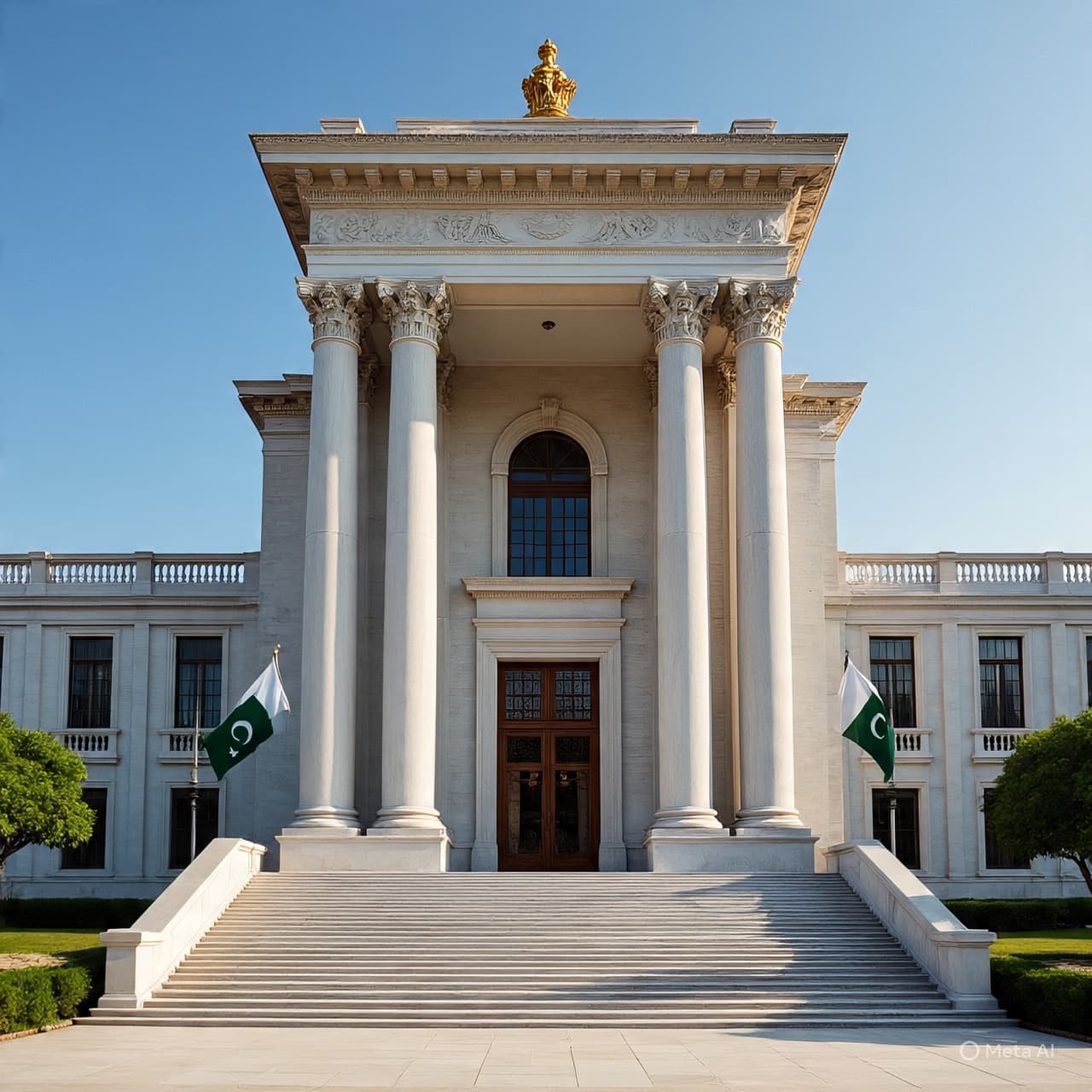
Simultaneously, a contrasting tone emerges from Pakistan, where authorities have expressed a willingness to host talks between Iran and the United States. This offer introduces a counterpoint to the prevailing rhetoric, suggesting that even amid heightened tensions, pathways for dialogue remain open, albeit tenuously. The juxtaposition of these developments—warnings from Iran and invitations from Pakistan—creates a complex landscape defined by stark contrasts. On one side, the language of escalation outlines potential consequences in vivid terms, while on the other, the language of diplomacy gestures toward the possibility of conversation as an alternative to confrontation.
The historical context between Iran and the United States is marked by cycles of pressure and negotiation, with moments of near engagement often followed by renewed distance. Each statement and proposal carries echoes of earlier exchanges, shaping how they are received and interpreted. In Tehran, the warnings serve not only as immediate signals but also as reminders of a broader narrative of resistance against perceived threats. In Washington, responses are typically calibrated within a framework of strategic caution, reflecting the complexities of international relations.
Pakistan's role in this scenario is significant, as it finds itself at a crossroads of geography and diplomacy. Its offer to mediate is not merely logistical; it represents an attempt to position itself as a neutral facilitator in a region where dialogue can be challenging to sustain. The choice of location is crucial, providing a neutral ground where discussions might unfold away from the pressures exerted by more directly involved capitals.
For observers, the coexistence of these messages underscores the intricacies of the current moment. It is entirely possible for tensions to escalate even as negotiations are proposed, with rhetoric intensifying while channels for dialogue remain open. This duality is a familiar feature of international relations, where public statements and private discussions often progress along parallel tracks, each influencing the other.
The implications of these developments extend beyond government circles, impacting regional dynamics and market responses. Communities, though distanced from decision-making centers, remain acutely aware of the potential for words to translate into action. The uncertainty surrounding these interactions is not always immediate, but it shapes perceptions in subtle yet significant ways.
Moreover, there is a temporal dimension to consider. Warnings are often immediate, tied to specific scenarios and potential actions, while diplomatic initiatives unfold more gradually, requiring time to arrange, negotiate, and build the minimal trust necessary for progress. This tension between the immediacy of threats and the slower pace of diplomacy becomes an integral part of the narrative, influencing how events are understood and interpreted.
As the day progresses in Islamabad and beyond, the offer to host talks remains a quiet counterweight to the louder declarations of intent. Whether this will lead to actual engagement depends on decisions yet to be made, weighing risks against opportunities. For now, it stands as a possibility—a space where the tone of conversation might shift, reflecting the fragile balance between escalation and diplomacy.
Ultimately, the moment is defined not by a singular direction but by the coexistence of multiple paths. A warning delineates the boundaries of action, while an invitation suggests an alternative. Between these two lies a delicate equilibrium, where the future is shaped as much by restraint as by resolve. In this balance, the world watches closely, listening for which voice will resonate more profoundly in the unfolding narrative of international relations.
Published by Banx Network. This article is part of the Banx decentralized media programme, powered by the BXE token on the XRP Ledger.



