Opening
In the soft hush that follows a long night of conflict, nations sometimes gather like travelers around a weary campfire, seeking warmth and a whisper of dawn. Indonesia’s recent decision to join the so-called “Board of Peace” for Gaza — an initiative launched by former U.S. President Donald Trump — is one such moment, reflective as much of hope as it is of cautious navigation on a world stage. The idea of peace itself resembles a river: constantly flowing, shifting landscapes, and inviting many hands to shape its course. In this current turn of geopolitical tides, Jakarta has chosen to dip its oar into this new current.
Body
For years, Indonesia has been a steadfast voice for Palestinian self-determination, echoing through international halls and regional gatherings alike. The announcement that it would join an international board whose name itself invokes harmony — the Board of Peace — may sound like the continuation of that echo. On January 22, 2026, Indonesia and several other countries — including Saudi Arabia, Turkey, Egypt, Jordan, Pakistan, Qatar, and the United Arab Emirates — agreed to become members of this council. The move was framed by its supporters as a way to contribute to a permanent ceasefire in Gaza, support reconstruction efforts, and assist with stability measures following prolonged conflict.
From Jakarta’s perspective, participation reflects a pragmatic embrace of diplomacy’s tools — not weapons, but words and shared commitments — to shepherd a fragile peace process toward safer shores. The Indonesian Foreign Ministry reiterated that its decision is anchored in upholding a ceasefire, protecting civilians, and expanding humanitarian access in Gaza, aligning this role with a United Nations Security Council resolution that backs the peace initiative.
Yet, beneath these diplomatic intentions lie undercurrents of debate. Some international relations experts in Indonesia have advised caution, noting that the council’s charter — drawn up under U.S. leadership — appears broader than its Gaza mandate and could, in their view, overshadow established multilateral frameworks like the United Nations. Critics see the new body as potentially diluting the central role of global institutions that have traditionally overseen conflict resolution and humanitarian law.
Still, for others, Indonesia’s engagement signals a hopeful willingness to be part of crafting peace, even if the path winds through uncertain terrain. Like a lantern set on a shared table, the initiative invites parties to gather around light instead of shadows. Whether the Board of Peace becomes a beacon of new cooperation or a mirror reflecting deeper political divides remains to be seen.
Closing
Indonesia’s choice to join the Board of Peace highlights a nuanced chapter in its foreign policy — one that balances advocacy for Palestinian rights with engagement in a novel international mechanism. In gentle news terms, this development will likely shape diplomatic conversations in Jakarta and abroad in the coming months, as observers and policymakers alike watch how this council evolves in relation to longstanding global peace institutions.
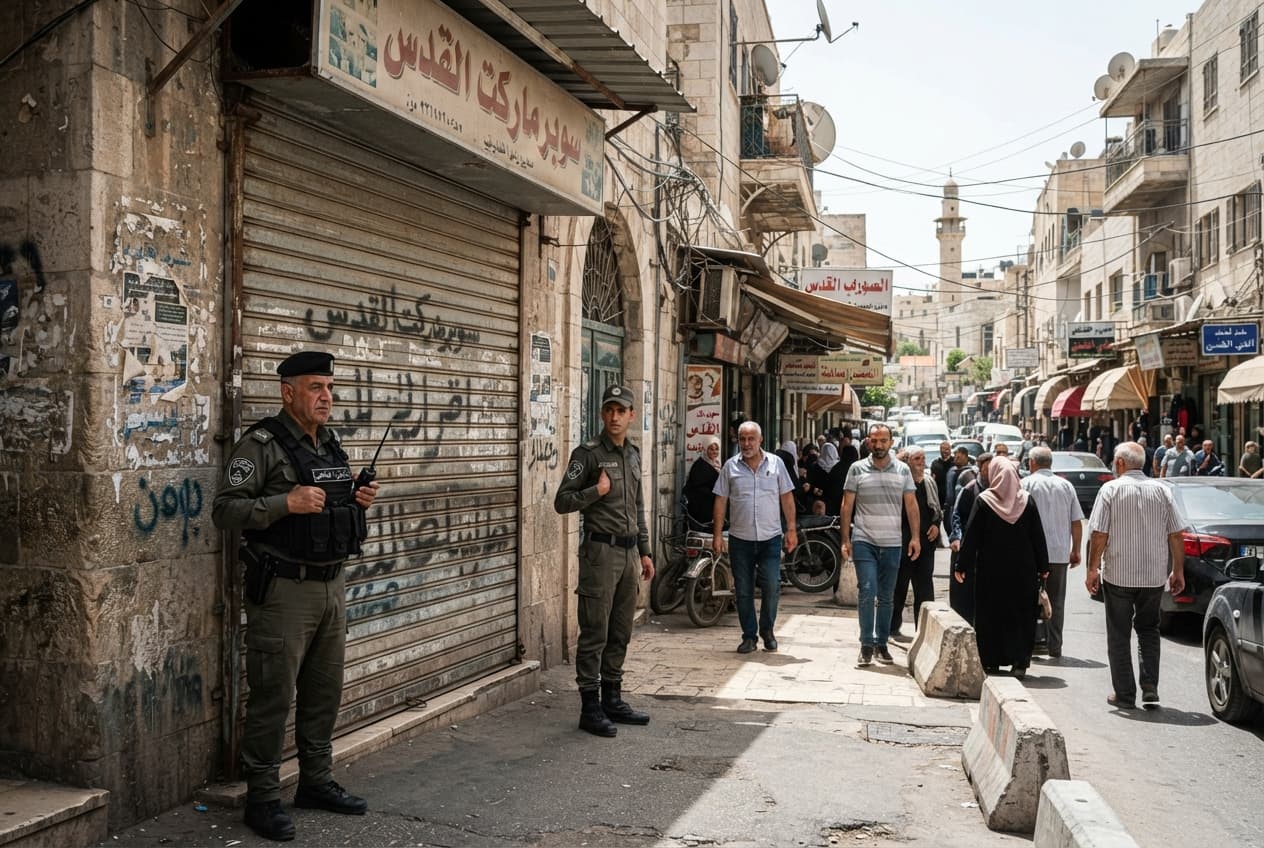
AI Image Disclaimer
“Visuals are created with AI tools and are not real photographs.”
Sources
Reuters Al Jazeera RRI Channel News Asia ANTARA News
Published by Banx Network. This article is part of the Banx decentralized media programme, powered by the BXE token on the XRP Ledger.