In many towns across Maine, the rhythm of daily life unfolds quietly: early light across harbor waters, small grocery stores opening their doors, families beginning routines shaped by work, school, and community. Beneath that calm, however, a quieter uncertainty has been growing for thousands of residents whose homes depend on a fragile balance of affordability and policy.
That balance may soon shift.
Housing advocates and local officials warn that thousands of tenants across the state are at risk of losing their affordable apartments as long-standing housing subsidies and affordability agreements approach expiration. These programs, many created decades ago through federal initiatives designed to expand low-cost housing, were structured with time limits. As those agreements end, landlords may be free to raise rents to market levels or convert units to other uses.
For tenants who rely on those units, the consequences could be immediate.
Affordable housing programs historically helped finance apartment buildings through tax incentives, federal subsidies, or special mortgage arrangements. In exchange, property owners agreed to keep rents below market rates for a set period—often 30 to 40 years. Many of Maine’s properties built or preserved under those programs are now approaching the end of their agreements.
As a result, housing advocates estimate that several thousand apartments could lose their affordability protections in the coming years. In smaller towns and rural areas where housing supply is already limited, the loss of even a few dozen units can reshape the local market.
The challenge reflects a broader trend visible in many parts of the United States. Affordable housing programs introduced in previous decades helped create large numbers of low-cost units, but as their restrictions expire, states must decide whether and how to preserve them.
In Maine, where housing availability has tightened in recent years, the issue carries particular urgency. Population changes, rising construction costs, and strong demand for housing in coastal and tourist areas have pushed prices higher across the state. For many low- and moderate-income households, affordable apartments provide one of the few pathways to stable housing.
Local housing organizations say preserving those units often requires complex negotiations. Governments or nonprofit groups may attempt to purchase buildings, refinance mortgages, or secure new subsidies to maintain affordability. In some cases, landlords agree to extend restrictions voluntarily in exchange for renovation funding or tax incentives.
But such solutions require time and resources—both of which can be limited.
For tenants living in these apartments, the situation can feel uncertain. A building that has remained affordable for decades may suddenly face changes that reshape the lives of residents who have built their routines around it.
State officials and housing advocates continue exploring ways to preserve as many units as possible. Proposals range from expanding housing trust funds to increasing incentives for property owners who maintain below-market rents.
Yet the broader question remains one faced by communities across the country: how to protect affordability in a housing market where demand often outpaces supply.
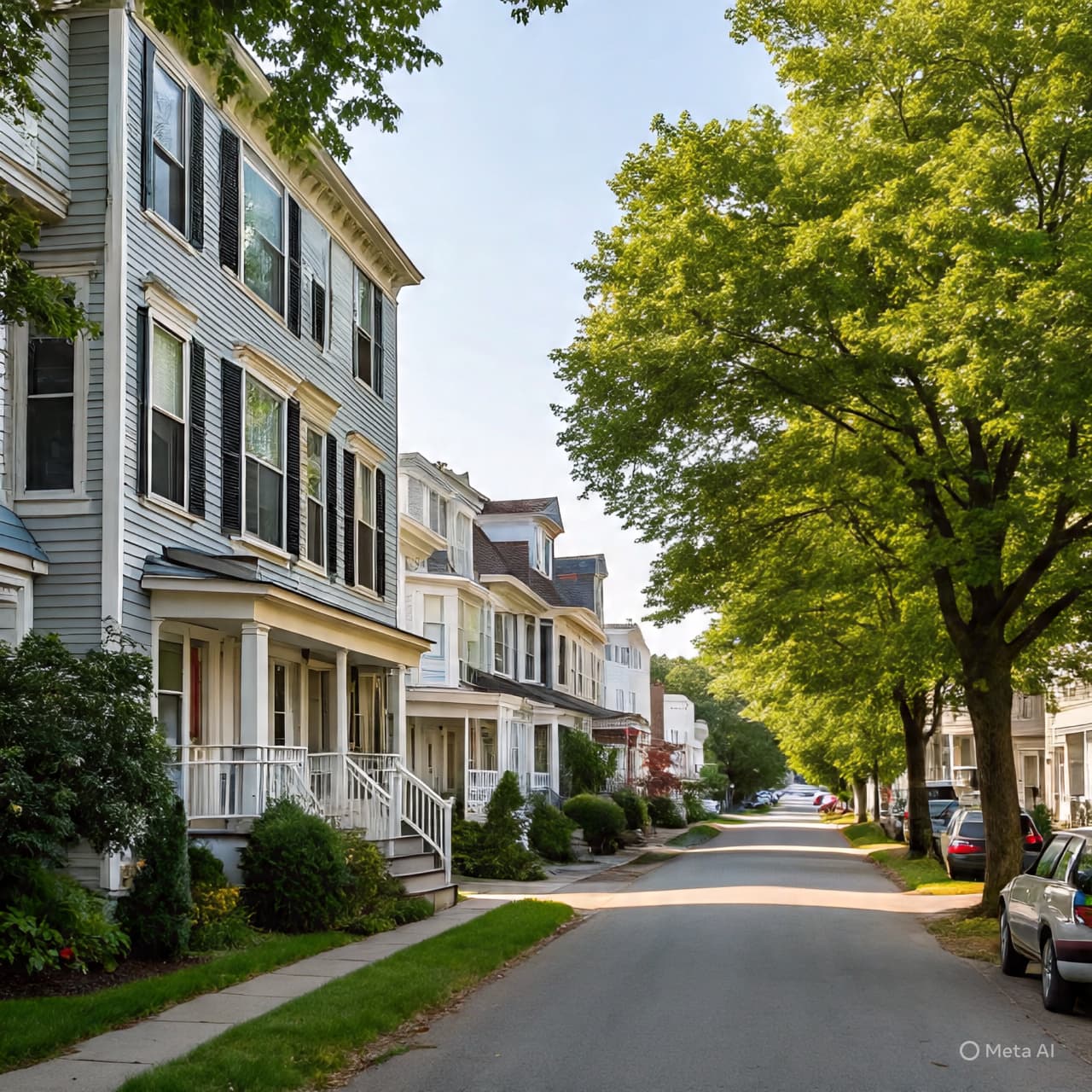
For now, many Mainers watch the situation carefully. The buildings themselves remain unchanged—apartment windows facing quiet streets, neighbors greeting one another in hallways, ordinary lives unfolding behind familiar doors.
But the future of those homes may depend on decisions still taking shape.
Published by Banx Network. This article is part of the Banx decentralized media programme, powered by the BXE token on the XRP Ledger.