
Key Highlights
- New Ticketing System:Visitors to the Trevi Fountain will pay a €2 fee starting February 2026.
- Preservation Efforts:The measure aims to manage crowds and protect the historic site.
- Ongoing Debate:The proposal has sparked discussions about accessibility and tourism in Rome.
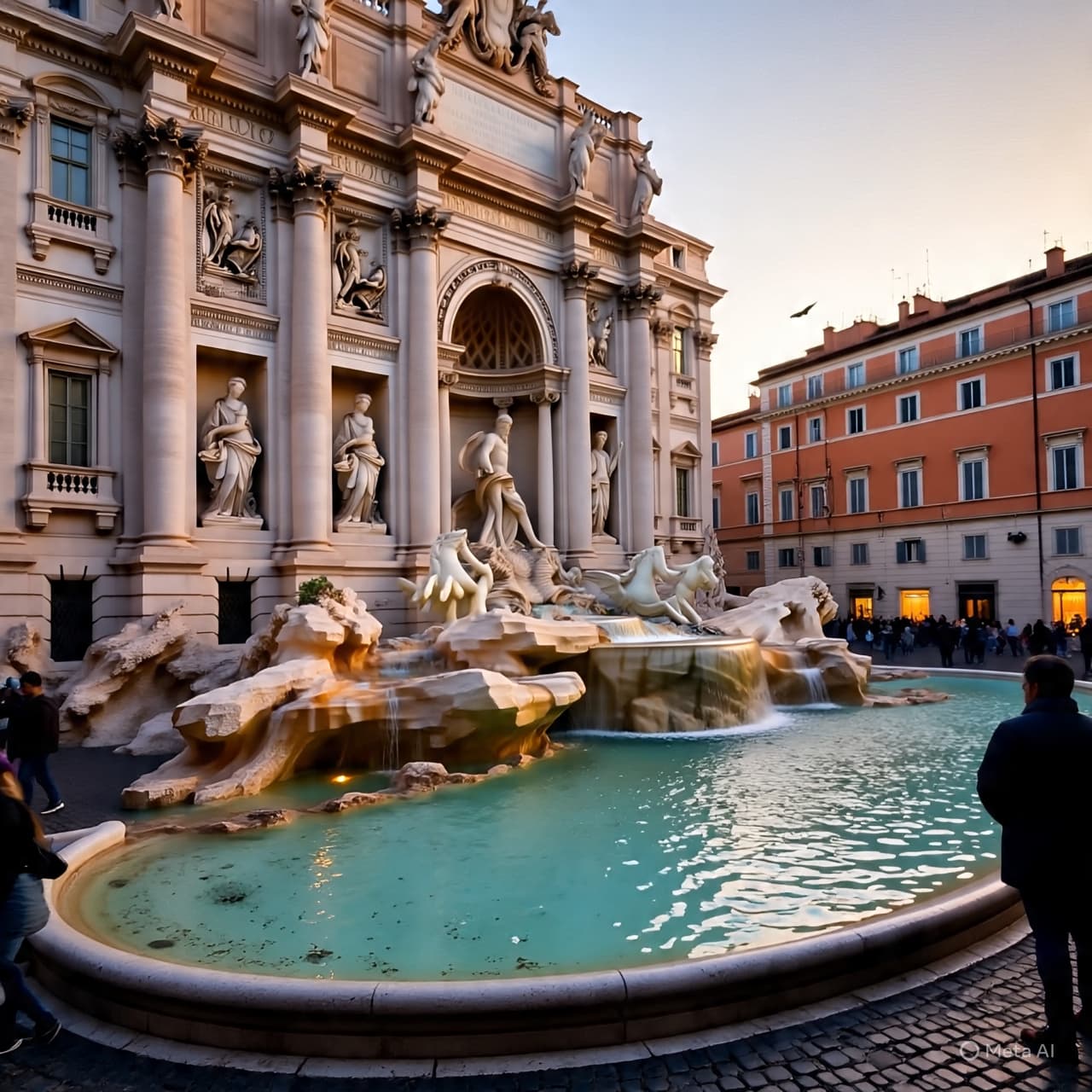
In a significant move to manage the overwhelming crowds at one of the world's most iconic landmarks, the Trevi Fountain in Rome will introduce a €2 ticket fee for visitors beginning in February 2026. This decision comes as city officials seek to balance the preservation of the fountain with the realities of overtourism that have increasingly strained its structural integrity and the visitor experience.
The Trevi Fountain, renowned for its stunning Baroque architecture and the tradition of tossing coins for wishes, attracts tens of thousands of visitors daily, particularly during peak tourist seasons. The sheer volume of foot traffic has raised concerns about the wear and tear on the monument, prompting the city to implement a regulated entry system. Under this plan, visitors will be required to book timed entries, while residents will continue to enjoy free access during designated hours.
City officials emphasize that the ticketing initiative is not merely a financial measure but a necessary step to protect the fountain's beauty and historical significance. The funds generated from the ticket sales are expected to support ongoing maintenance and conservation efforts, ensuring that the fountain remains a cherished site for future generations. Despite the introduction of the fee, the tradition of coin tossing will remain intact, allowing visitors to continue making wishes as they have for centuries.
The proposal has ignited a lively debate among locals and tourists alike. Proponents argue that the fee is a reasonable response to the challenges posed by mass tourism, acknowledging the costs associated with preserving such a beloved landmark. Critics, however, express concern over the implications of charging for access to a public space that holds deep cultural significance for both residents and visitors. They argue that the fountain should remain freely accessible, as it is a symbol of Rome's shared heritage.
This decision is part of a broader trend seen in historic cities worldwide, where authorities grapple with the dual objectives of welcoming tourists and safeguarding their cultural treasures. Similar measures have been adopted in museums and archaeological sites across Rome, reflecting a growing recognition of the need to manage visitor numbers while maintaining the integrity of these sites.
As the winter months transition into spring in 2026, the Trevi Fountain will continue to flow, welcoming visitors with their hopes and dreams. The introduction of a ticketing system may alter the experience slightly, but the essence of the fountain as a place of reflection and wish-making will endure. The city’s intention is clear: to preserve this iconic site for those who will come after, ensuring that the ritual of visiting the Trevi Fountain remains a cherished experience for generations to come.
Published by Banx Network. This article is part of the Banx decentralized media programme, powered by the BXE token on the XRP Ledger.



