The crossing was quiet, but the context was anything but. At Rafah, the narrow gateway between Gaza and Egypt, Angelina Jolie arrived as humanitarian access faced renewed uncertainty, and aid groups confronted a tightening operational space.
Jolie’s visit came as several humanitarian organizations reported suspensions or restrictions imposed by Israeli authorities, citing security concerns. The measures have complicated the delivery of assistance into Gaza, where needs have grown acute amid ongoing conflict and displacement. While aid convoys continue intermittently, the pace and scope of relief remain constrained.
For Jolie, long associated with refugee advocacy and humanitarian causes, the visit carried symbolic weight. She did not announce policy demands or issue sweeping declarations. Instead, her presence at Rafah served as a visual reminder of the human dimension that often recedes behind diplomatic language and security calculations.
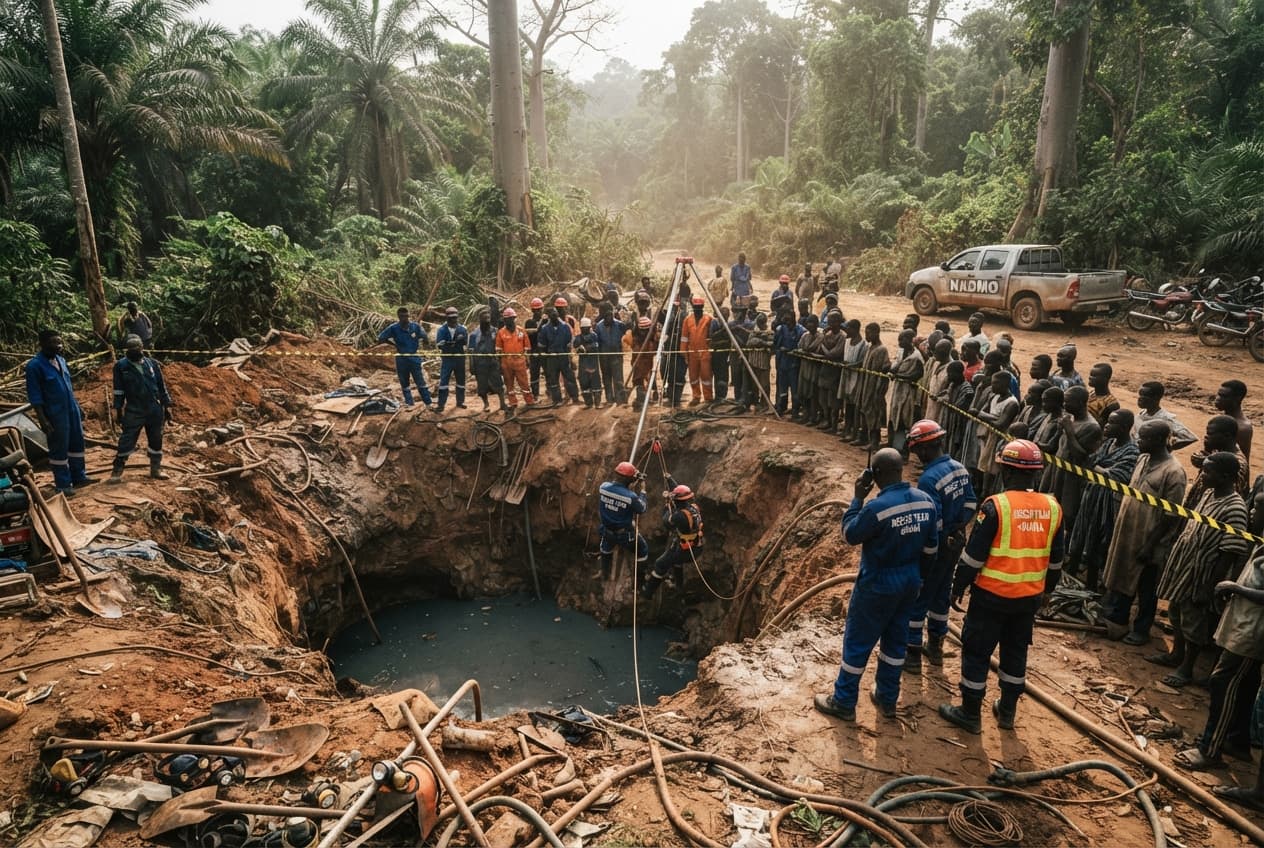
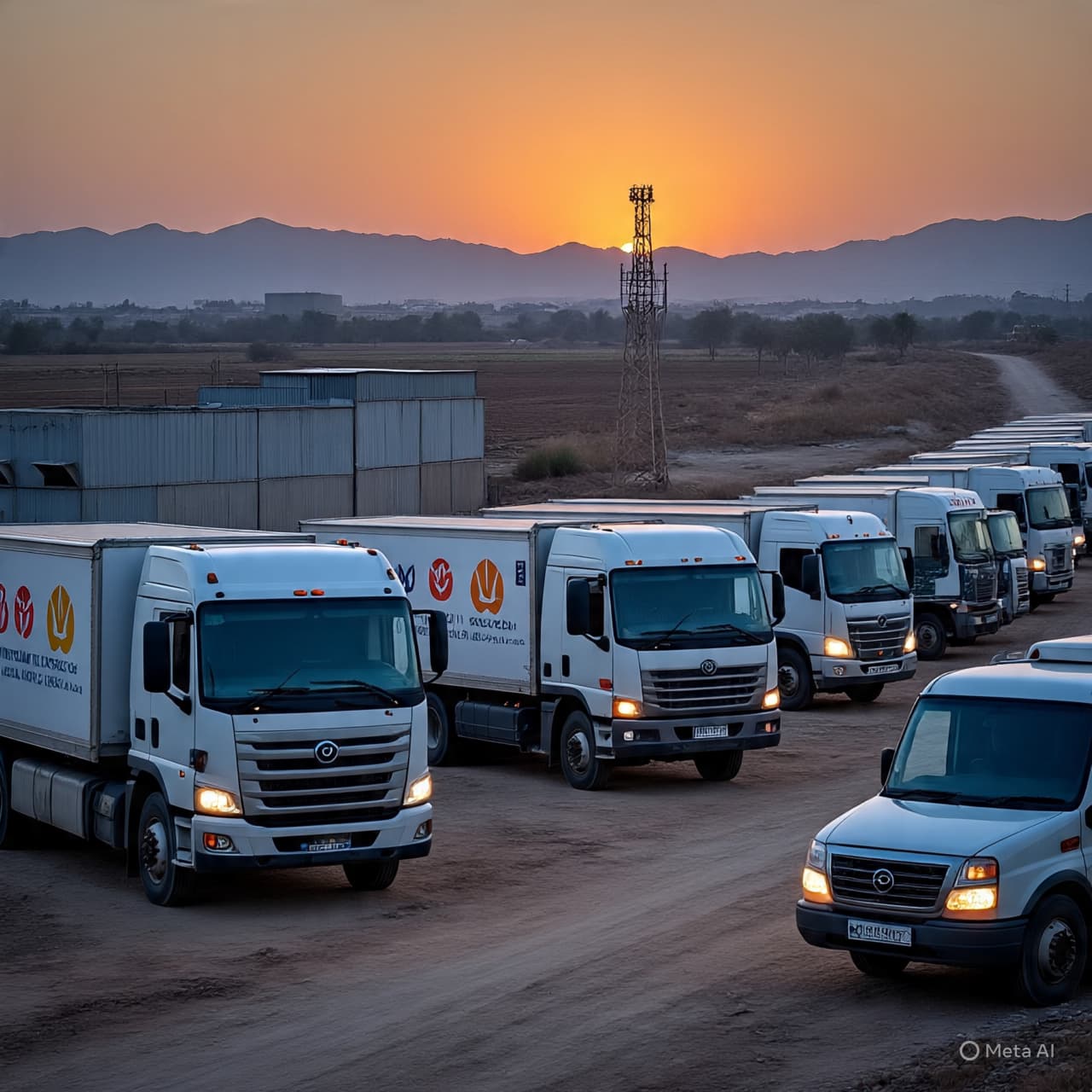
Aid workers at the crossing described a fragile balance. Warehouses wait on approvals. Trucks line up for clearance. Every delay ripples through hospitals, shelters, and families dependent on external support. The recent suspensions have intensified pressure on organizations already operating under severe logistical and safety limits.
Rafah itself has become a focal point — not only as a physical border, but as a measure of access. When the gate opens, relief flows in measured quantities. When it tightens, scarcity deepens. The crossing’s status shifts daily, reflecting decisions made far from the sand-covered road where aid workers wait.
Jolie met with humanitarian representatives and observed operations at the site, according to people familiar with the visit. Her role was observational rather than administrative, aligning with a pattern of advocacy that prioritizes visibility over negotiation. In conflicts defined by contested narratives, visibility can still carry consequence.
Critics of celebrity involvement argue that such visits risk oversimplifying complex realities. Supporters counter that attention, even brief, can widen awareness and sustain pressure for access. In a conflict where humanitarian space is constantly renegotiated, both arguments coexist.
As night fell at Rafah, the crossing remained a threshold — between entry and denial, urgency and delay. Jolie’s visit did not alter the rules governing aid, but it underscored a central truth: when access shrinks, every witness matters.
The question that lingers is not about who visited, but whether the gate itself will open more often — and for whom.
Published by Banx Network. This article is part of the Banx decentralized media programme, powered by the BXE token on the XRP Ledger.