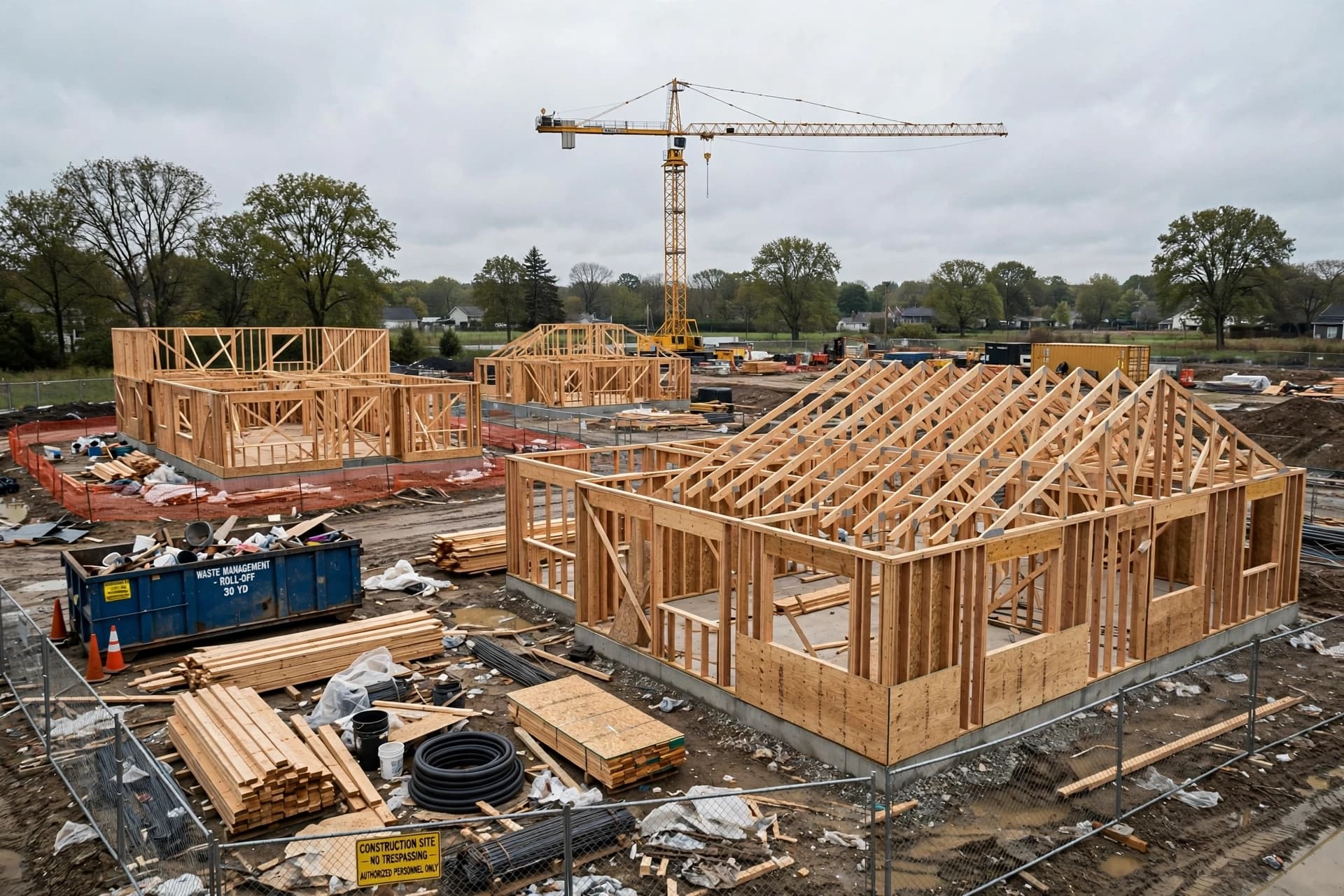
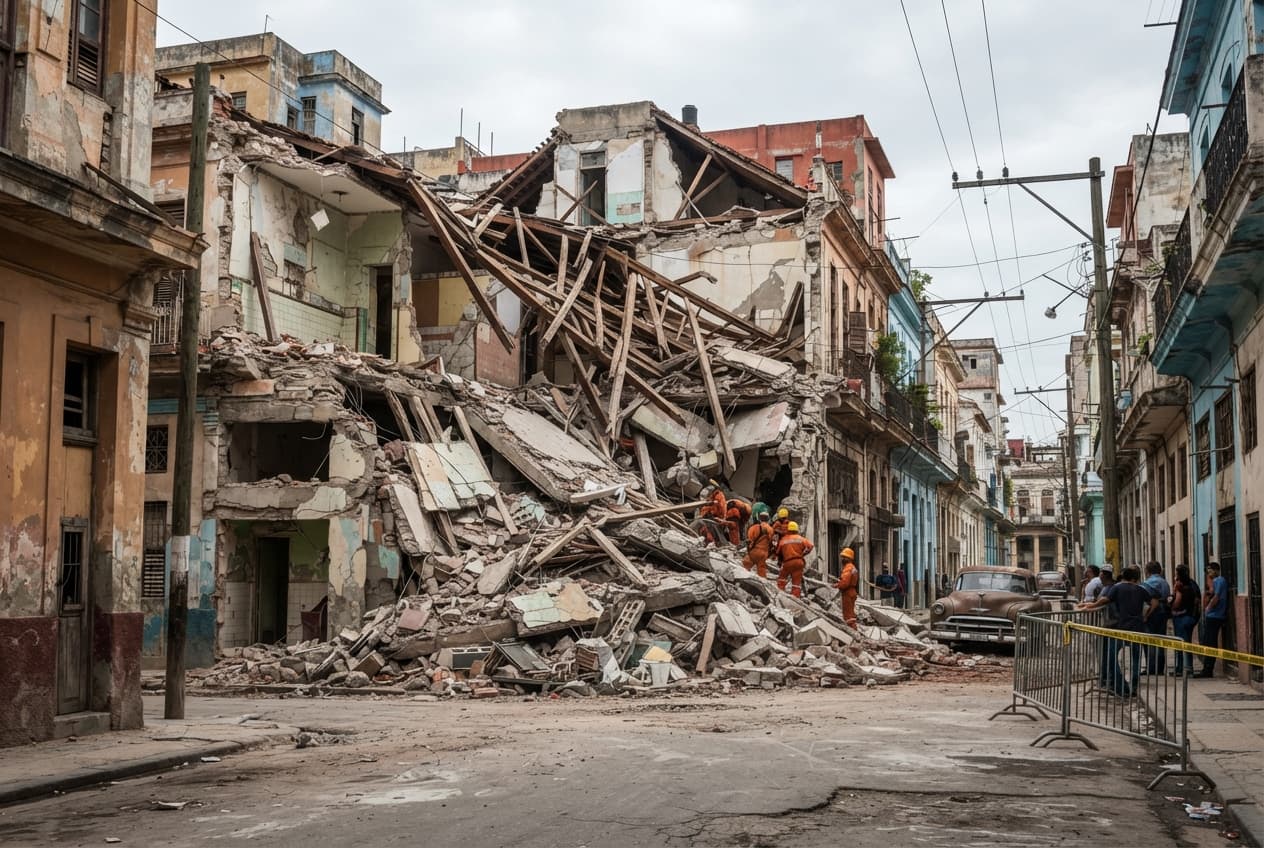
In the quiet early mornings before city traffic stirs, a subtle reshaping of the housing landscape is taking place. Like a river that parts into tributaries, the broader housing market appears to be slowing — its waters receding from shores they once fully embraced — even as currents of extraordinary wealth surge along a different path. To the casual observer, the overall tempo of home sales may suggest hesitation; to those attuned to luxury’s quieter rhythms, something quite distinct is unfolding.
Across much of the United States, traditional home sales have found themselves in an unhurried cadence, shaped by persistent affordability challenges and mortgage rates that remain elevated when compared with recent history. For many prospective buyers and sellers, the mood is one of reflection and caution, a patient stillness that accompanies periods of economic uncertainty. In this landscape, decisions about where to settle and when to move are often weighed with pragmatic care rather than energetic urgency.
Yet when one looks closer at the most elevated reaches of the market, the scene reads differently. Here, in enclaves where architectural ambition meets global capital, homes priced at $10 million and above have seen an infusion of activity that defies the broader lull. Recent industry data reveals that ultra-luxury sales — properties commanding prices once reachable only by a rarefied few — have not just persisted but climbed meaningfully in volume and value.
The numbers, measured across top real estate markets, tell a story of concentrated confidence among high-net-worth individuals. In 2025, the U.S. ultra-luxury segment recorded thousands of transactions in the $10 million-plus range, with total sales approaching tens of billions of dollars. These figures represent growth both in the number of properties changing hands and in the sheer dollar value flowing through these exclusive exchanges.
What might seem incongruent at first — a slumping general market alongside surging ultra-luxury deals — reflects deeper dynamics in wealth distribution and investment behavior. In cities such as Los Angeles, Manhattan, and Miami, affluent buyers continue to see premium real estate as a compelling store of value, underpinned by long-term portfolios that weather market shifts with greater resilience. Meanwhile, emerging markets and expanded demand in unexpected metros hint at a widening geography of luxury appeal.
Some analysts suggest that this bifurcation — quieter mainstream sales, vibrant ultra-luxury deals — is a reminder of how divergent economic forces can be. While many households navigate the headwinds of financing costs, others operate within spheres where liquidity and investment opportunities remain robust, fueled by global stock markets, private wealth accumulation, and a desire for unique residences that blend exclusivity with lifestyle aspirations.
Beyond the U.S., global cities like Dubai have also emerged as bustling arenas for residences priced well above $10 million, drawing international buyers and reinforcing the notion that for an elite segment, the appeal of high-end property endures even as broader market rhythms fluctuate.
In this interplay of market tones, the housing sector’s narrative is neither simply one of decline nor uniform ascent. Rather, it is a reflection of layered realities: one where many buyers proceed with measured hesitation, and another where the very affluent continue to invest with intent. Beyond the headlines and price indices, these contrasting movements reveal a marketplace rich with nuance and complexity.
In straightforward terms, while overall home sales in 2025 have remained subdued in many regions due to affordability pressures, homes priced at $10 million and above have seen notable increases in transactions and total sales value across luxury markets. Industry reports indicate that the ultra-luxury segment is expanding even as mainstream activity cools.
AI Image Disclaimer “Graphics are AI-generated and intended for representation, not reality.”
Sources The Wall Street Journal New York Post Compass 2025 Ultra-Luxury Report Knight Frank reports The National
Published by Banx Network. This article is part of the Banx decentralized media programme, powered by the BXE token on the XRP Ledger.