Borders are more than lines drawn on maps. They are places where hopes, fears, and human stories often meet. Along the edges of continents, thousands of people each year make difficult journeys in search of safety, opportunity, or a different future. Recent scenes at the Morocco-Europe border reflect the continuing complexity of global migration.
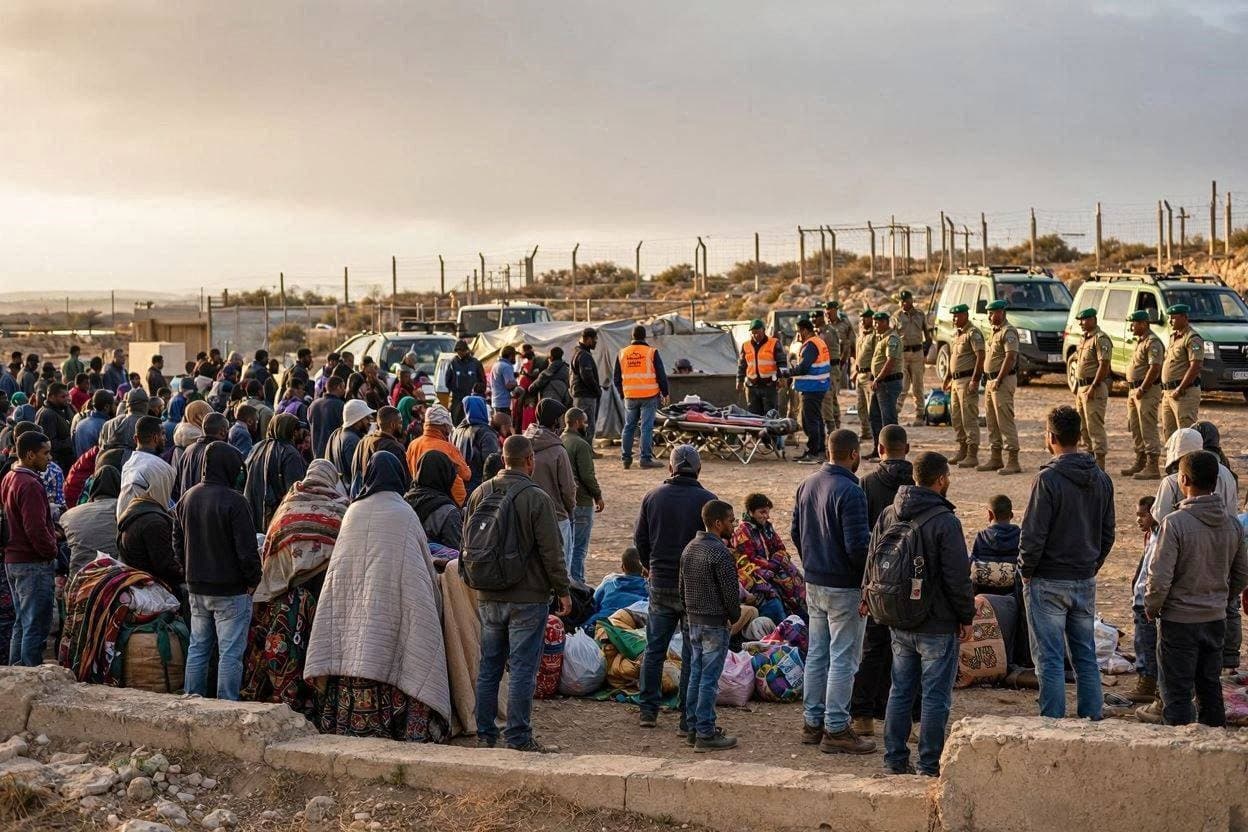
Thousands of people attempted to cross from Morocco toward European territory, according to reports, creating chaotic scenes as authorities responded to the large movement of migrants. The events highlight the ongoing pressure faced by countries along major migration routes between Africa and Europe.
Morocco has become a key transit country for migrants seeking to reach Europe because of its geographic position near Spain. The country’s northern coastline and proximity to European territory make it one of the main routes used by people hoping to cross the Mediterranean or reach Spanish-controlled areas.
Migration journeys are often shaped by many factors, including economic difficulties, conflict, political instability, and hopes for improved living conditions. For many migrants, reaching Europe represents the possibility of work, education, or a safer environment for themselves and their families.
European countries have continued to debate how best to manage migration while balancing border security, humanitarian responsibilities, and international cooperation. The issue remains one of the most complex policy challenges facing governments across the continent.
Moroccan authorities have previously worked with European partners to manage migration flows and prevent dangerous crossings. Cooperation between countries along migration routes has become an important part of addressing both immediate border situations and longer-term causes of migration.
Humanitarian organizations have repeatedly emphasized the importance of treating migrants with dignity while ensuring that border systems remain organized and safe. Large movements of people can create difficult conditions for migrants, local communities, and emergency responders.
The situation at Morocco’s border is part of a broader global pattern. From coastal crossings to land borders, migration continues to shape conversations about international responsibility, economic opportunity, and human mobility.
Behind every number reported in migration news are individual experiences and personal decisions. Each journey carries its own story, shaped by circumstances that often extend far beyond the border where it ends.
As governments continue seeking solutions, the challenge remains finding a balance between secure borders and recognition of the human realities that drive migration. The scenes along Morocco’s border serve as another reminder that migration is not only a political issue but also a deeply human one.
AI Image Disclaimer: The images accompanying this article are AI-generated illustrations showing border areas, migration routes, and humanitarian response scenes. They are conceptual images and are not actual photographs of the event.
Sources:
Reuters Associated Press BBC News Al Jazeera International Organization for Migration (IOM)
Published by Banx Network. This article is part of the Banx decentralized media programme, powered by the BXE token on the XRP Ledger.